
All treatments
Everything we treat, in plain language.
Every page explains what is happening in your body, your options, the procedure, recovery and common questions.
Vein problems →
Care for varicose and spider veins, blood clots, and pelvic and scrotal veins.
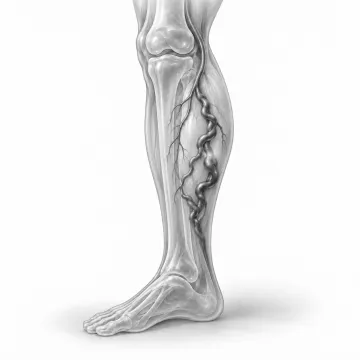
Varicose veins
Why leg veins bulge and ache, and how to treat them without major surgery.
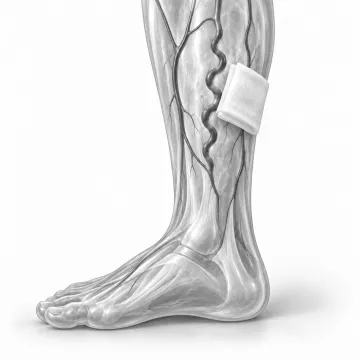
Bleeding varicose vein: what to do
Step-by-step first aid for a bleeding varicose vein, and when to call 911.
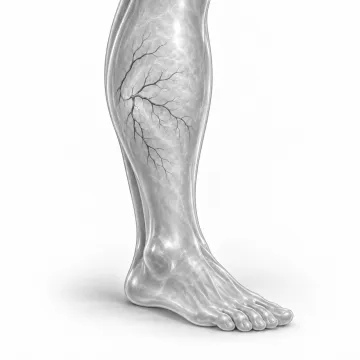
Spider veins
What spider veins are and how sclerotherapy fades them, session by session.
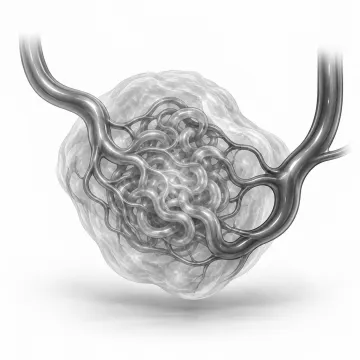
Arteriovenous malformations (AVMs)
What an AVM is, when it needs treatment, and how embolization can control it.
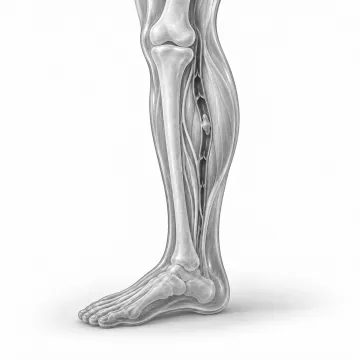
DVT (deep vein blood clots)
Blood clots in the leg or arm: signs, blood thinners, clot removal and long-term care.
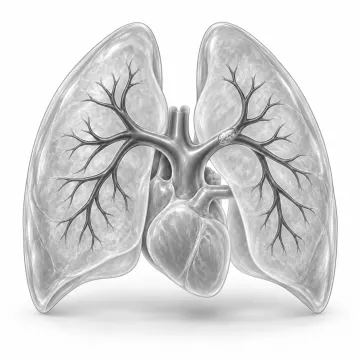
Pulmonary embolism (blood clots in the lungs)
Blood clots in the lungs: warning signs, blood thinners and catheter clot removal.
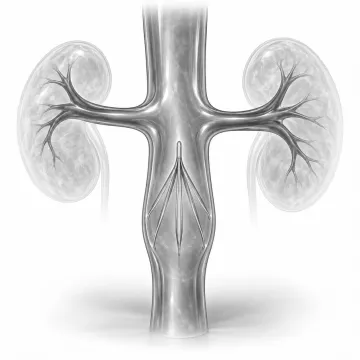
IVC filter placement and removal
Why IVC filters are placed, how they are removed, and why removal matters.
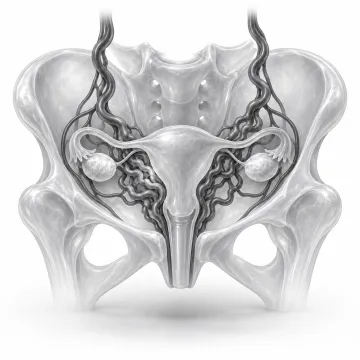
Pelvic congestion syndrome
Chronic pelvic pain from varicose veins in the pelvis, and how embolization treats it.
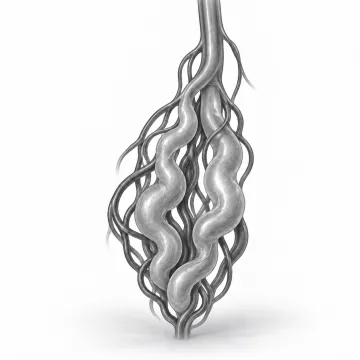
Varicocele
Swollen veins in the scrotum: symptoms, fertility effects, and surgery vs embolization.
Arterial problems →
Treatment for blocked arteries, aneurysms, clots and malformations.
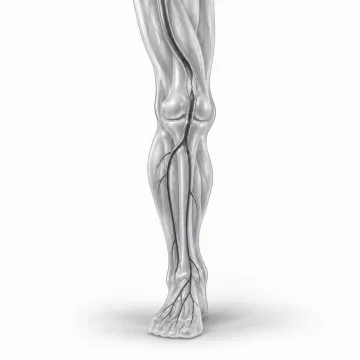
Peripheral arterial disease
Leg pain when walking or wounds that won't heal? Learn how blocked leg arteries are treated.
Pulmonary embolism (blood clots in the lungs)
Blood clots in the lungs: warning signs, blood thinners and catheter clot removal.
DVT (deep vein blood clots)
Blood clots in the leg or arm: signs, blood thinners, clot removal and long-term care.
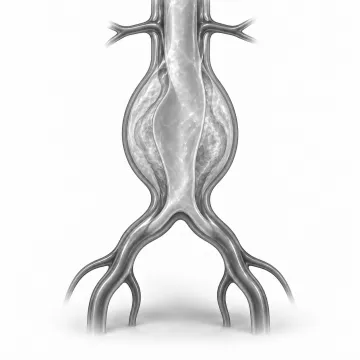
Aneurysms
A bulging artery found on a scan? What it means, when to watch and when to repair.
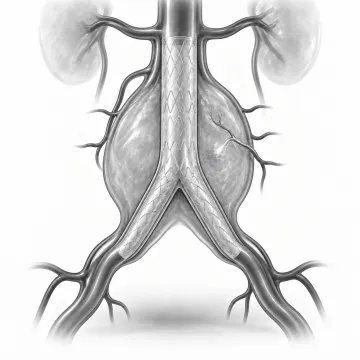
Endoleaks
Told you have a leak after EVAR? Learn the types, which ones matter and how they are fixed.
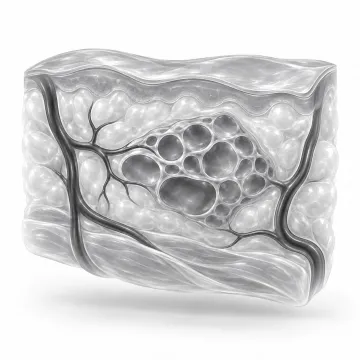
Vascular malformations
Venous, lymphatic and arteriovenous malformations: what they are and how they are treated.
Embolizations →
Prostate, fibroid, knee, varicocele and other embolizations.
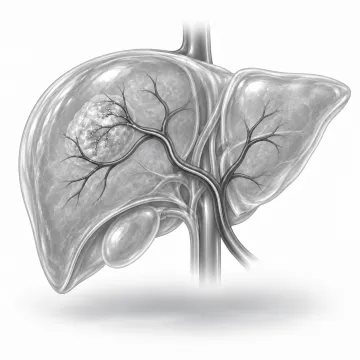
Y-90 radioembolization
Tiny radioactive beads treat liver tumors from inside, with two short outpatient visits.
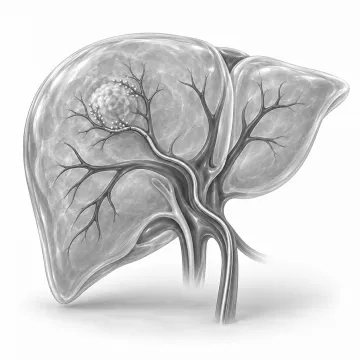
Chemoembolization (TACE)
Concentrated chemotherapy and a blocked blood supply, aimed right at a liver tumor.
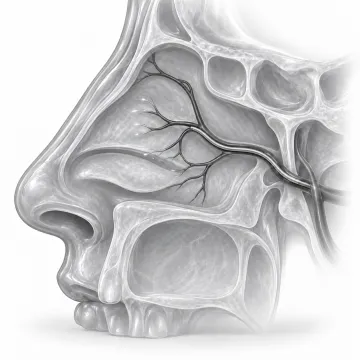
Epistaxis embolization
Stop severe or recurring nosebleeds by sealing the bleeding arteries from the inside.
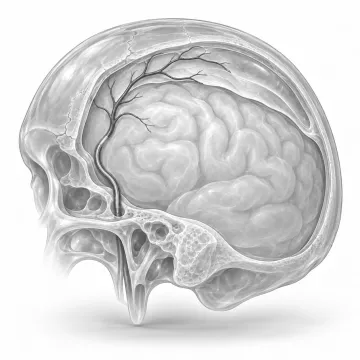
Middle meningeal artery embolization
Treat a chronic subdural hematoma through a pinhole and lower the chance it comes back.
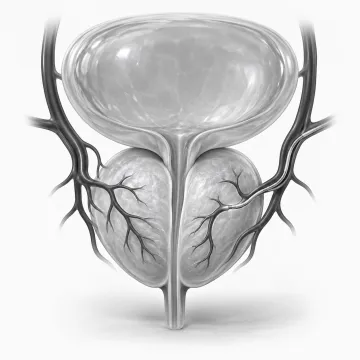
Prostate artery embolization
Shrink an enlarged prostate through a pinhole, without surgery or a hospital stay.
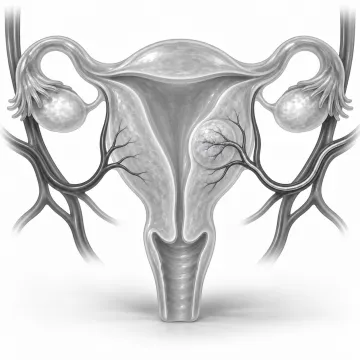
Uterine fibroid embolization
Shrink fibroids through a pinhole, without removing the uterus or a large incision.
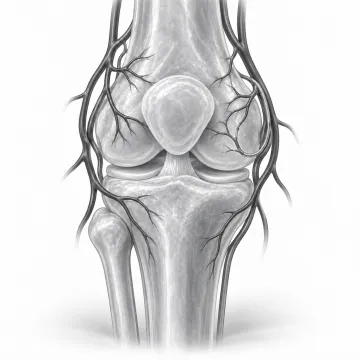
Genicular artery embolization
Calm knee arthritis pain by treating inflamed vessels, through a pinhole and without surgery.
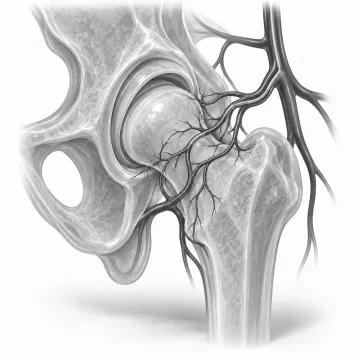
Hip embolization
An emerging, pinhole treatment that targets inflamed vessels behind stubborn hip pain.
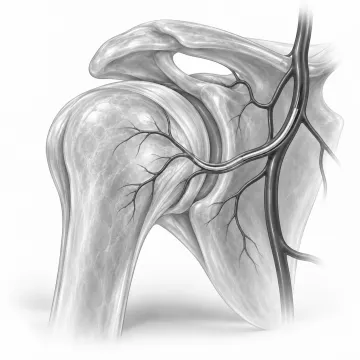
Shoulder embolization
An emerging pinhole treatment for frozen shoulder and tendon pain that has not settled.
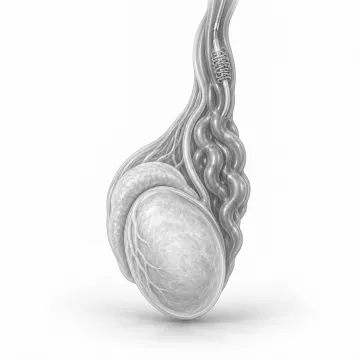
Varicocele embolization
Fix a varicocele through a pinhole, with no incision on the scrotum and a quick return to work.
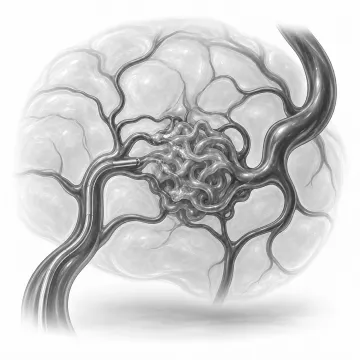
Arteriovenous malformation embolization
Close the abnormal artery-to-vein connections of an AVM through a pinhole, without surgery.
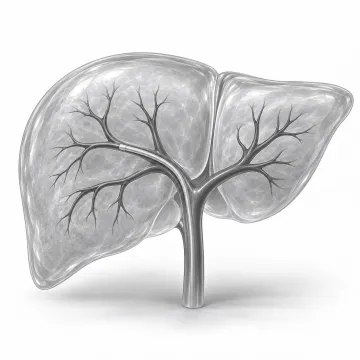
Portal vein embolization
Help the healthy part of your liver grow so that liver cancer surgery is safer or possible.
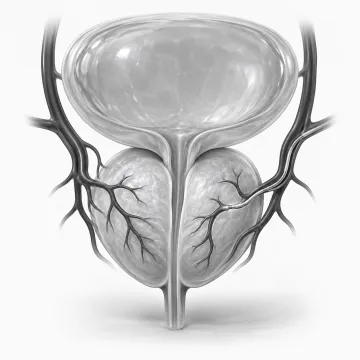
Embolization
Block selected blood vessels from the inside to stop bleeding, shrink growths or ease pain.
Cancer interventions →
Biopsies, tumor ablation, Y-90, chemoembolization and palliative care.
Radioembolization (Y-90)
Tiny radioactive beads treat liver tumors from inside, with two short outpatient visits.
Chemoembolization (TACE)
Concentrated chemotherapy and a blocked blood supply, aimed right at a liver tumor.
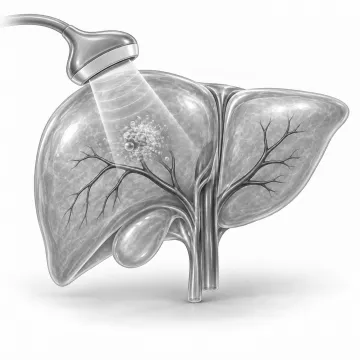
Histotripsy
Focused ultrasound breaks up liver tumors from outside the body. New, and not for everyone.
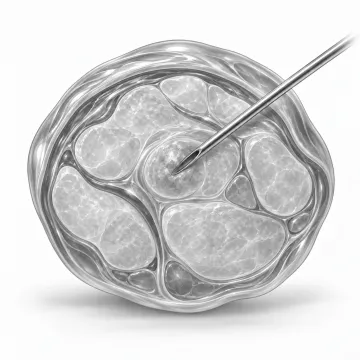
Image-guided biopsies
Get a tissue diagnosis through a needle, guided by ultrasound or CT, usually without an incision.
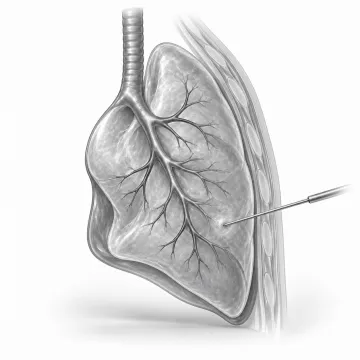
Lung biopsy
Find out what a lung nodule is with a CT-guided needle biopsy, usually home the same day.
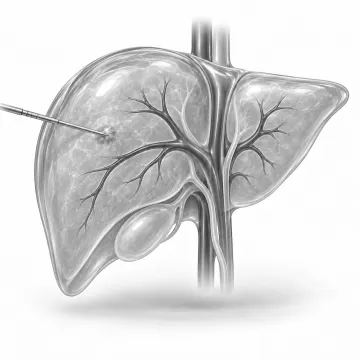
Liver biopsy
Find out what a spot in the liver is with a needle biopsy guided by ultrasound or CT.
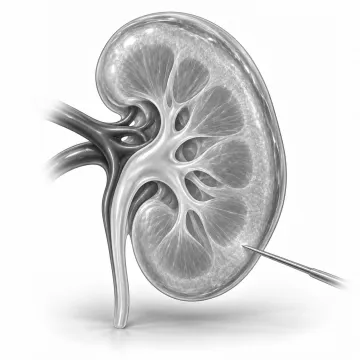
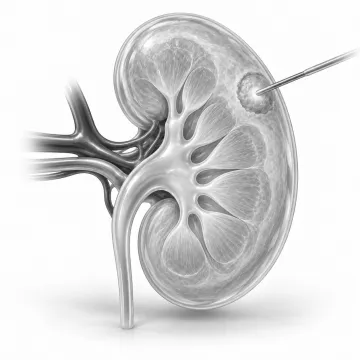
Kidney biopsy
Diagnose kidney disease or check a transplant with an ultrasound-guided needle sample.
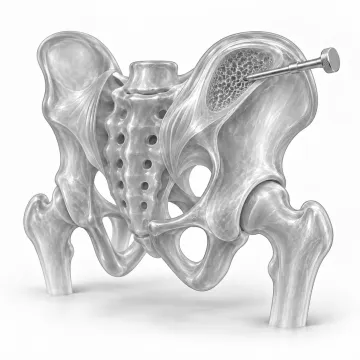
Bone marrow biopsy
Diagnose blood disorders with a sample from the hip bone, using CT guidance and sedation.
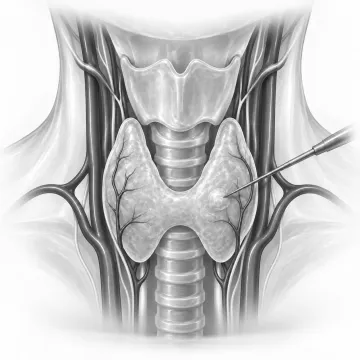
Thyroid biopsy
Check a thyroid nodule with a thin needle guided by ultrasound, usually with numbing medicine only.
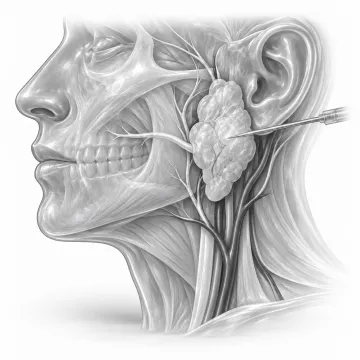
Salivary gland biopsy
Diagnose a parotid or submandibular lump with an ultrasound-guided needle and numbing medicine.
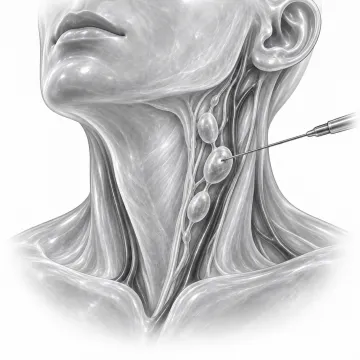
Lymph node biopsy
Diagnose a swollen lymph node with a needle guided by ultrasound or CT, usually without surgery.
Tumor ablation
Heat or freeze a tumor through a needle, with no incision and a short recovery.
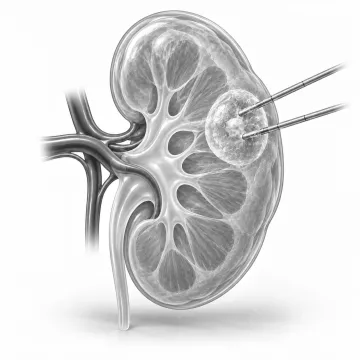
Cryoablation
Freeze small kidney, lung, bone or breast tumors through a needle, with a short recovery.
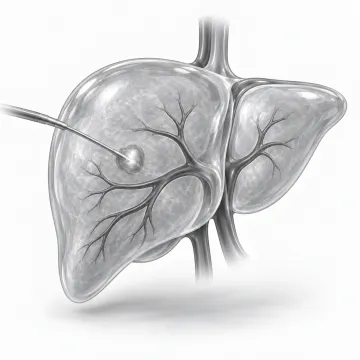
Microwave ablation
Heat small liver, lung or kidney tumors through a needle, often with a same-day or overnight stay.
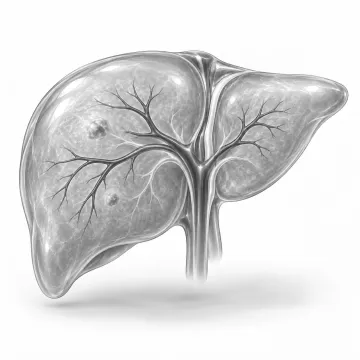
Liver tumors
Primary liver cancer and liver metastases: what they are and every way to treat them.
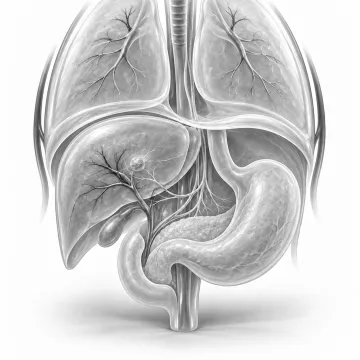
Palliative cancer care
Small procedures that ease fluid build-up, pain, blockages and eating problems caused by cancer.
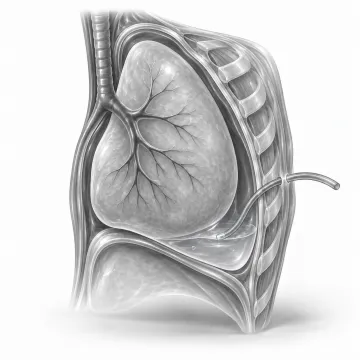
Thoracentesis
Drain fluid around the lung through a thin tube between the ribs, often with relief the same day.
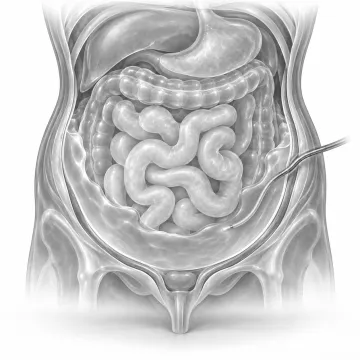
Paracentesis
Drain fluid from the belly through a thin tube, with numbing medicine and quick relief.
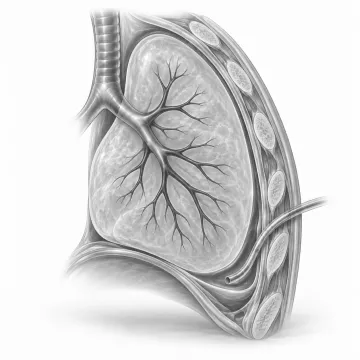
Pleurodesis
Lasting relief for fluid that keeps returning around the lung: talc pleurodesis or a home drain.
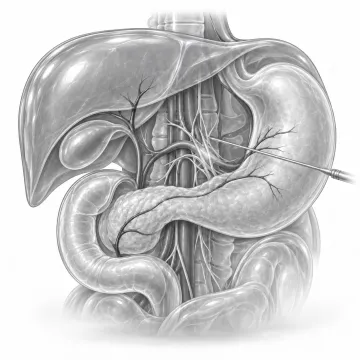
Cancer pain treatment
Nerve blocks, spine and bone procedures, and pain pumps for cancer pain medicines cannot control.
Pain therapy →
Injections, nerve ablation, stimulators, pumps and vertebral augmentation.
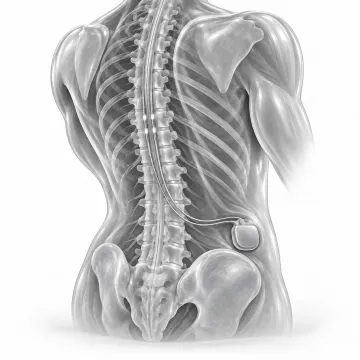
Spinal cord stimulators
Quiet chronic back, leg or nerve pain with a small implanted device you test first.
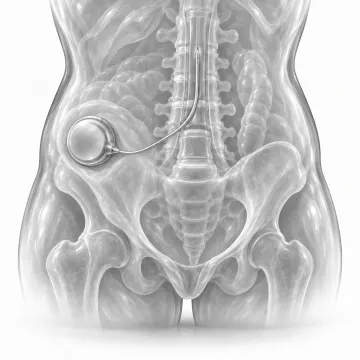
Pain pumps (intrathecal drug delivery)
Deliver pain medicine directly to the spinal cord for severe pain, with fewer side effects.
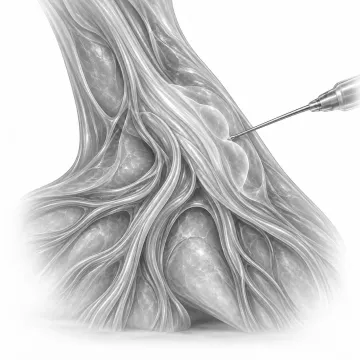
Nerve blocks
Pinpoint and calm the nerve carrying your pain with a precise, image-guided injection.
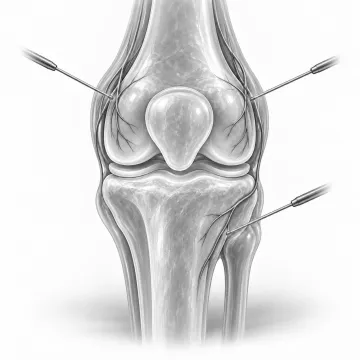
Genicular nerve ablation
Quiet the nerves that carry knee arthritis pain with a short needle procedure.
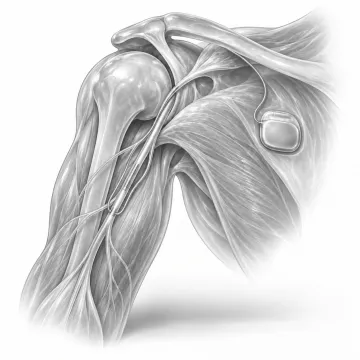
Peripheral nerve stimulators
Ease pain in the back, shoulder, knee or a limb with a thin wire and gentle electrical pulses.
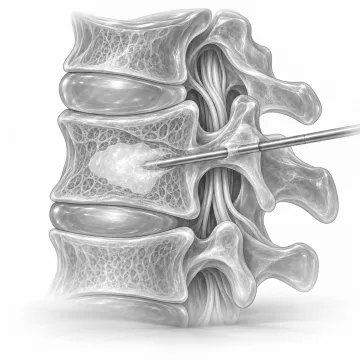
Kyphoplasty
Stabilize a painful spine compression fracture with bone cement, through a needle.
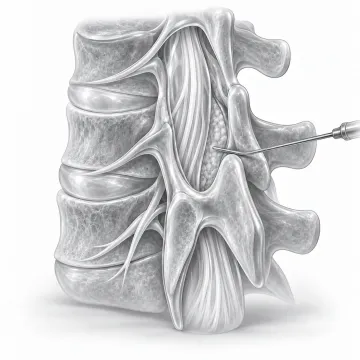
Epidural steroid injections
Ease sciatica, arm pain or back pain with a precise, image-guided steroid injection.
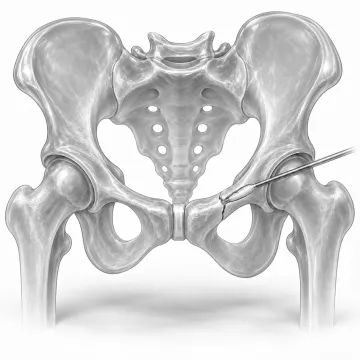
Ramiplasty
Stabilize a painful pubic bone fracture with bone cement, so walking hurts less.
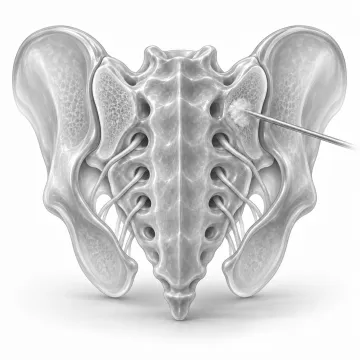
Sacroplasty
Stabilize a painful fracture at the base of the spine with bone cement, through a needle.
Dialysis access →
Fistulas, grafts, dialysis catheters and peritoneal dialysis.
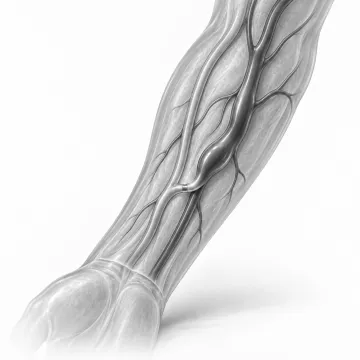
Understanding your dialysis access
Fistula, graft, catheter or PD: how each works, daily checks and warning signs.
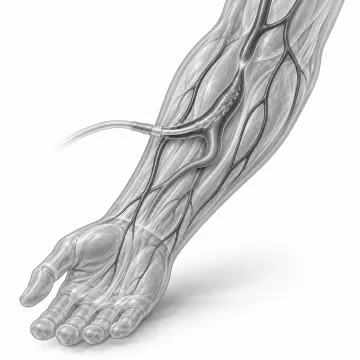
Fistulogram
An X-ray study that finds and opens narrowings in a fistula or graft, in one visit.
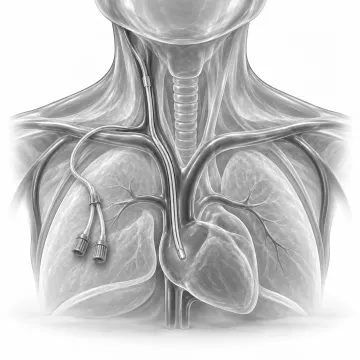
Tunneled dialysis catheters
A soft tube in the chest that allows hemodialysis the same day it is placed.
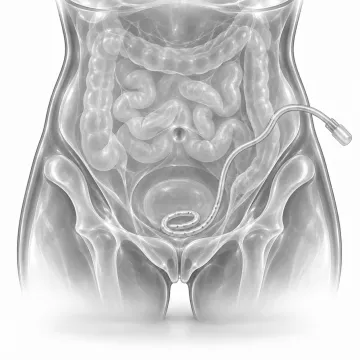
Peritoneal dialysis catheters
A soft belly tube for home dialysis, placed through a small puncture.
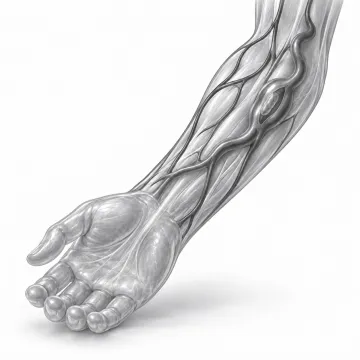
Clotted dialysis access (declot)
Remove a clot from a fistula or graft and get back to dialysis quickly.
General IR →
Biopsies, drains, feeding tubes, urology, lines and ports.
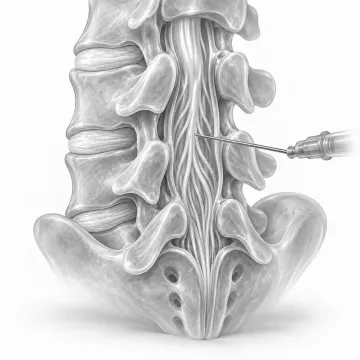
Lumbar puncture and myelogram
An X-ray-guided spinal tap or myelogram through a thin needle in the lower back.
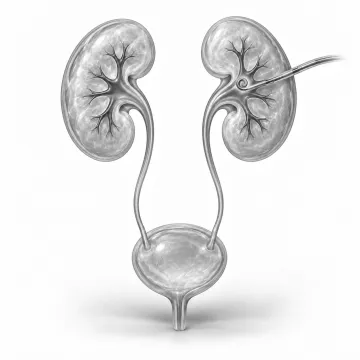
Interventional urology
Drains and stents that relieve a blocked kidney, placed with X-ray guidance through the skin.
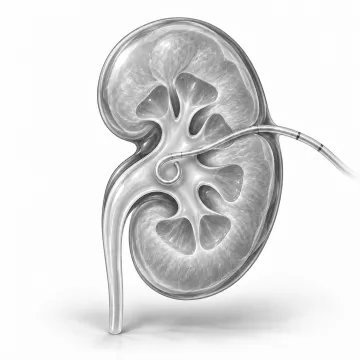
Nephrostomy tube
A thin drain from the kidney through the back that relieves a blockage or infection.
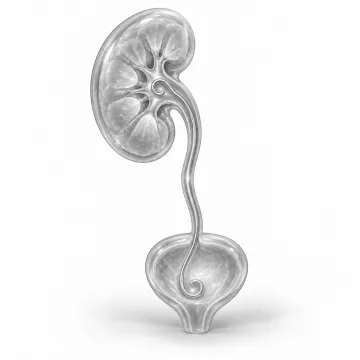
Ureteral stent
A soft internal tube from kidney to bladder that keeps urine flowing, with no outside bag.
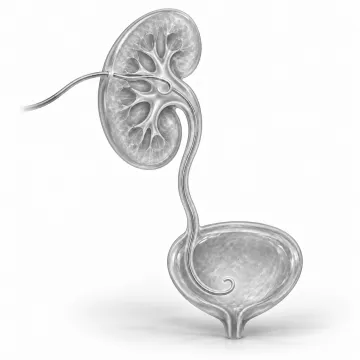
Nephroureteral stent
One tube from the back to the bladder that can drain to a bag or be capped for internal flow.
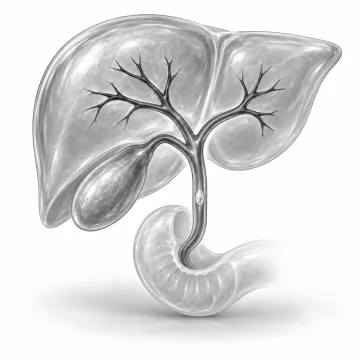
Biliary interventions
Image-guided drains, stents and stone removal for blocked bile ducts and jaundice.
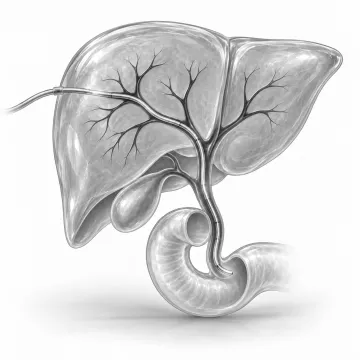
Biliary drain
A thin tube through the liver that drains blocked bile, easing jaundice, itching and infection.
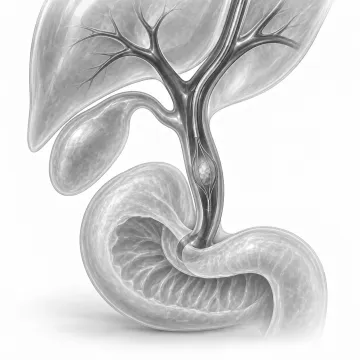
Percutaneous biliary stone removal
Remove bile duct or gallbladder stones through an existing drain track, without surgery.
Image-guided biopsies
Get a tissue diagnosis through a needle, guided by ultrasound or CT, usually without an incision.
Lung biopsy
Find out what a lung nodule is with a CT-guided needle biopsy, usually home the same day.
Liver biopsy
Find out what a spot in the liver is with a needle biopsy guided by ultrasound or CT.
Kidney biopsy
Diagnose kidney disease or check a transplant with an ultrasound-guided needle sample.
Bone marrow biopsy
Diagnose blood disorders with a sample from the hip bone, using CT guidance and sedation.
Thyroid biopsy
Check a thyroid nodule with a thin needle guided by ultrasound, usually with numbing medicine only.
Salivary gland biopsy
Diagnose a parotid or submandibular lump with an ultrasound-guided needle and numbing medicine.
Lymph node biopsy
Diagnose a swollen lymph node with a needle guided by ultrasound or CT, usually without surgery.
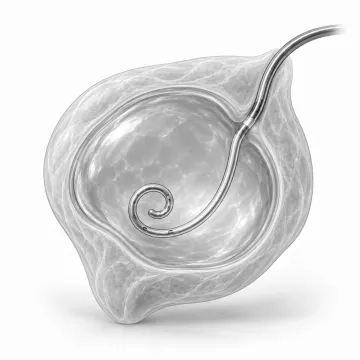
Drainage of fluid collections
Image-guided drainage of abscesses, seromas and lymphoceles through a small tube.
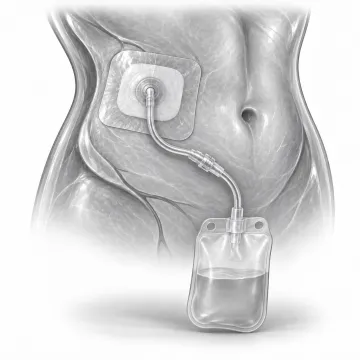
How do I manage my drain?
Emptying, flushing, dressing changes and daily records for a drainage catheter at home.
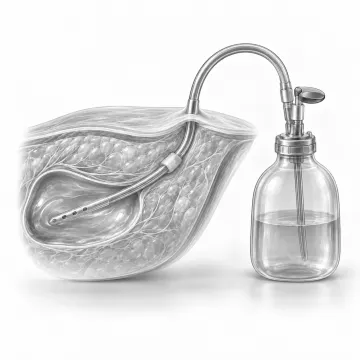
PleurX catheter
A tunneled home drain for fluid that keeps returning in the chest or belly.
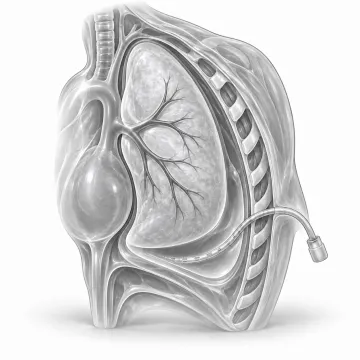
Chest PleurX catheter
A home drain for fluid that keeps building up around the lung.
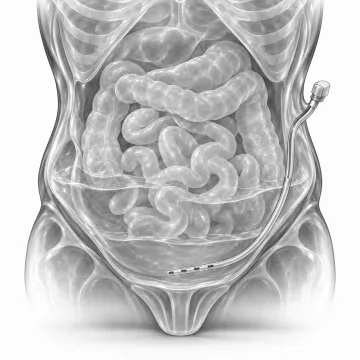
Abdominal PleurX catheter
A home drain for fluid that keeps building up in the belly (ascites).
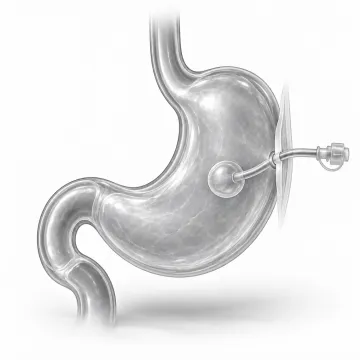
Feeding tubes
G, GJ and J tubes explained: why you might need one and how we place them.
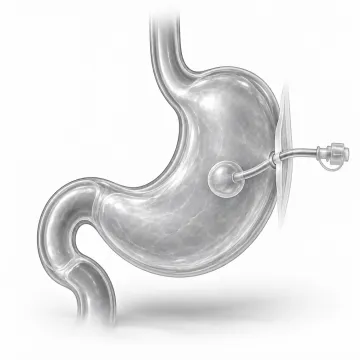
Gastrostomy tube (G tube)
A feeding tube into the stomach, placed with X-ray guidance through a small opening.
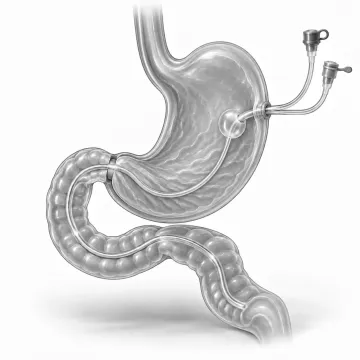
Gastrojejunostomy tube (GJ tube)
A feeding tube that delivers nutrition past the stomach, into the small intestine.
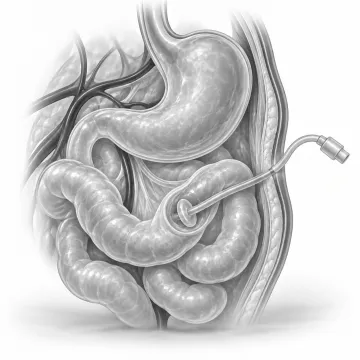
Jejunostomy tube (J tube)
A feeding tube placed directly into the small intestine, and tubes for Duopa therapy.
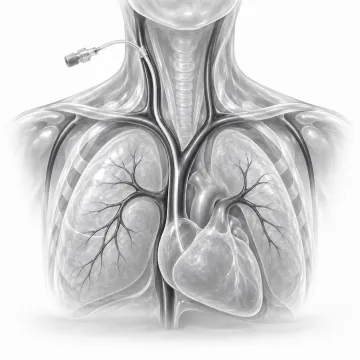
Central lines
PICC, tunneled line or port: how they differ and how to choose.
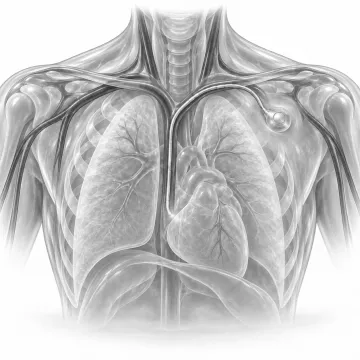
Ports
A small device under the chest skin for chemo, infusions and blood draws.
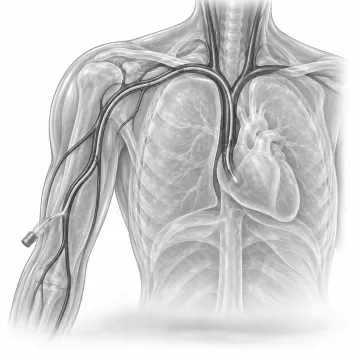
PICC lines
A thin arm line for weeks of IV antibiotics, nutrition or chemotherapy.
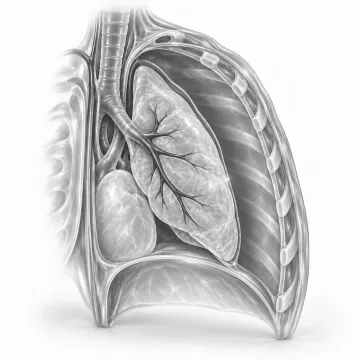
Pneumothorax (collapsed lung)
A collapsed lung: causes, symptoms, when it is an emergency and chest tube treatment.
Liver disease →
TIPS, paracentesis, bile ducts, liver biopsy and tumors.
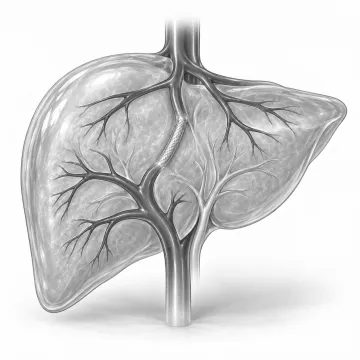
TIPS (transjugular intrahepatic portosystemic shunt)
A stent inside the liver, placed through the neck, that lowers pressure from cirrhosis.
Paracentesis
Drain fluid from the belly through a thin tube, with numbing medicine and quick relief.
Biliary interventions
Image-guided drains, stents and stone removal for blocked bile ducts and jaundice.
Biliary drain
A thin tube through the liver that drains blocked bile, easing jaundice, itching and infection.
Percutaneous biliary stone removal
Remove bile duct or gallbladder stones through an existing drain track, without surgery.
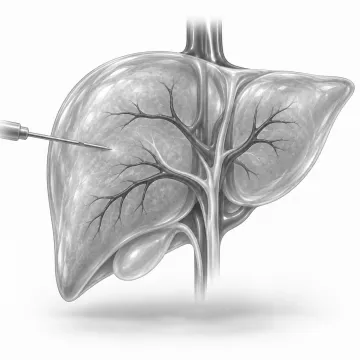
Medical liver biopsy
Measure liver inflammation, fat and scarring with a needle sample, through the side or the neck.
Liver tumors
Primary liver cancer and liver metastases: what they are and every way to treat them.
Talk to us about your options
Request a consultation online, or call 650-404-8445, Monday to Friday, 8 am to 5 pm. You can also ask your doctor to send a referral. We will review your imaging and help you decide whether a procedure makes sense.