
Microwave ablation
Heat and destroy a tumor through a single needle.
Microwave ablation kills a tumor by heating it through a thin needle placed under CT or ultrasound guidance. It treats small tumors in the liver, lung and kidney, and the heating itself usually takes 5–10 minutes per tumor.
- Hospital procedure
- 1–2 hours
- Sedation or anesthesia
- Home same day or next
 Fabio Komlos, MDInterventional radiologist
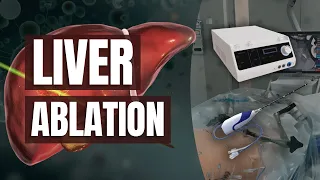 Watch the video explanation12:42 video · Liver Ablation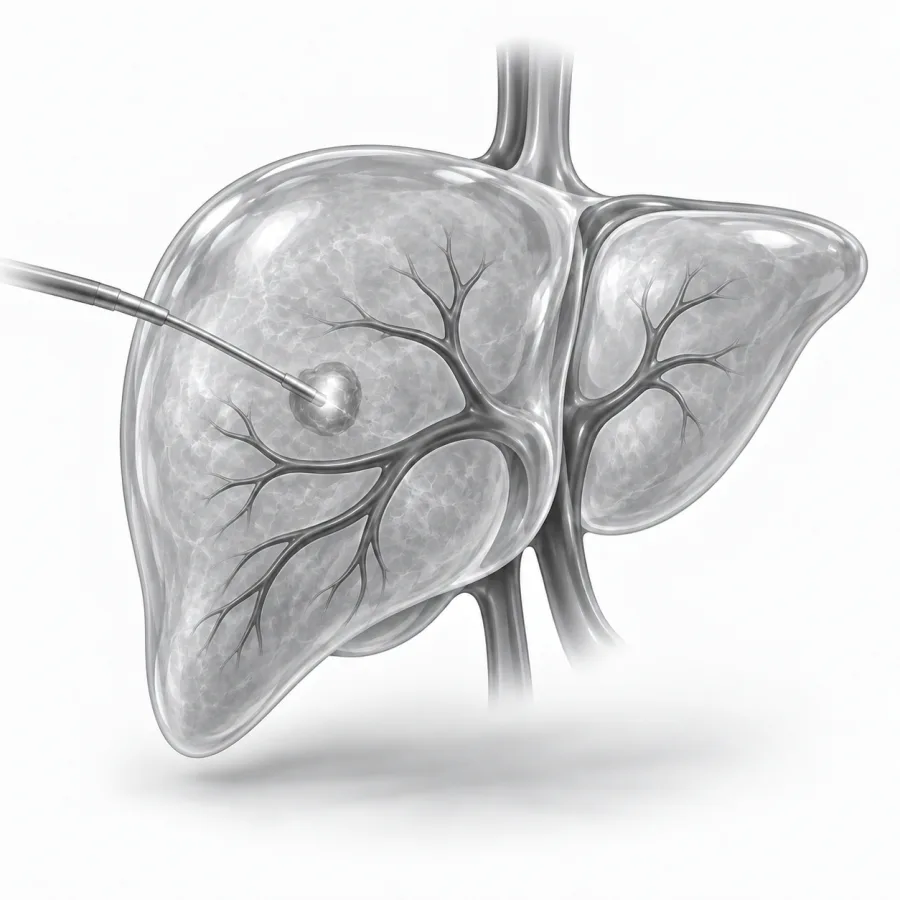
One small skin nick, closed with a bandage.
Liver Ablation
Dr. Fabio Komlos walks through microwave ablation the way he explains it in clinic, using the same images he uses to plan treatment.
Fabio Komlos, MDInterventional radiologist · 12:42Minimally Invasive Cancer Treatment Explained Tumor Ablation Options
3:49
Does Tumor Ablation Really Work? Clearing Up the Biggest Misconceptions
4:05
How Interventional Radiologists Treat Liver Tumors Without Surgery — at is liver-directed therapy?
5:43
Quick answers
Under a minute eachWhat is microwave ablation?
Microwave ablation is a type of tumor ablation. We guide a thin needle, called an antenna, through the skin into the tumor. The antenna gives off microwave energy that makes water molecules in the tissue vibrate and heat up, well above 60°C (140°F). At that temperature, tumor cells die within minutes.
Microwaves heat quickly and evenly, and they are less cooled by nearby blood vessels than older radiofrequency ablation (RFA). That means larger, more reliable treatment zones in less time. The treated tumor stays in place and slowly shrinks into a scar over months.
On CT or ultrasound, the antenna shows as a bright line through the tumor. After heating, the treated zone looks like a dark, rounded area that should be larger than the original tumor on every side.
Who it helps, and who it may not
- Liver: early liver cancer, called hepatocellular carcinoma (HCC), and a limited number of tumors that spread to the liver, for example from colon cancer. For small liver cancers, ablation is a standard first-choice treatment. See liver tumors.
- Lung: small lung cancers in people who are not good candidates for surgery, and a few lung metastases.
- Kidney: small kidney tumors, especially when protecting kidney function matters.
Often a good fit
- One to a few tumors, ideally 3 cm or less
- Tumor visible on CT or ultrasound
- Surgery is risky, or would remove too much healthy organ
- Tumor that came back after surgery
May not be right if
- The tumor is larger than about 5 cm
- Cancer is widespread
- The tumor touches a major bile duct, bowel or other structure that cannot be protected
- A bleeding problem cannot be corrected
How it compares with the alternatives
| Microwave ablation | Surgery | Focused radiation (SBRT) | |
|---|---|---|---|
| How | Heat through a needle | Tumor removed | Radiation beams from outside |
| Sessions | Usually one | One | Usually 3–5 visits |
| Typical stay | Same day or one night | Several days | Outpatient |
| Back to normal | A few days to a week | Several weeks | Tiredness for a few weeks |
| Best for | Small tumors | Tumors that can be removed safely | Tumors hard to reach with a needle |
For small tumors in the right spot, microwave ablation can control the tumor about as well as surgery in many studies, with an easier recovery. Surgery may still be better for some tumors, and the chance of the tumor coming back at the edge is a little higher after ablation. Other options include cryoablation, histotripsy, and for liver tumors, chemoembolization or Y-90 radioembolization, sometimes combined with ablation.
How to prepare
- You will have blood tests and a recent CT or MRI. Some tumors need a biopsy first, sometimes during the same procedure.
- Do not eat or drink after midnight. Take morning medicines with a small sip of water unless told otherwise.
- Blood thinners usually need to be paused. See blood thinners.
- Pack a small overnight bag in case you stay one night.
- Arrange for an adult to drive you home.
What happens during the procedure
- 1Getting ready
The procedure is done at El Camino Hospital. You receive moderate sedation or general anesthesia and lie on the CT table. We clean and numb the skin.
- 2Placing the antenna
Using CT or ultrasound, we guide the antenna into the tumor. If bowel or another organ is close, we may inject fluid to push it safely away.
- 3Heating
We switch on the microwave energy, usually for 5–10 minutes per tumor. Several tumors can be treated in one session.
- 4Checking and finishing
A contrast CT confirms the treated zone covers the tumor with a margin. We heat the needle path as the antenna comes out, then place a small bandage.
Recovery
- First few hoursYou rest in recovery. You can eat and drink once awake. After a lung treatment, a chest X-ray checks the lung.
- Day 1Many people go home the same day, others the next morning. No driving for 24 hours after sedation.
- Days 2–10Soreness should improve each day. About a third of people get post-ablation syndrome: low fever, aches and tiredness, starting a few days after and lasting up to about a week or so.
- About 1 weekMost people are back to usual activities. We see you to check how you are healing.
- About 4–6 weeksA CT or MRI confirms the tumor was fully treated, then scans every few months.
Results and risks
For liver tumors 3 cm or smaller, most are destroyed completely with one treatment. Larger tumors are more likely to come back at the edge. If a tumor recurs, ablation can often be repeated.
- Pain and post-ablation syndrome, usually short-lived.
- Bleeding, uncommon; rarely needs treatment.
- Collapsed lung (pneumothorax) after lung treatment, fairly common, sometimes needing a small chest tube for a day or two.
- Injury to nearby structures such as the bile ducts, gallbladder, bowel, diaphragm or kidney drainage system, uncommon.
- Infection or abscess in the treated area, rare, more likely after past bile duct procedures.
- Skin burn at the entry site, rare.
- Tumor spread along the needle path, very rare.
With microwave ablation, success is decided by the margin, the ring of normal tissue we destroy around the tumor. I plan the needle path on the CT beforehand and check the treated zone with contrast before you leave the table, so if any edge looks thin I can add more heat right then. I also tell patients the follow-up scans are part of the treatment, not an afterthought.Fabio Komlos, MD, interventional radiologist · About Dr. Fabio Komlos
Common questions
Does it hurt?
Is it radiation?
How is it different from radiofrequency ablation?
When can I drive and go back to work?
Will I need more than one treatment?
Can I have it with chemotherapy or other treatments?
Will insurance cover it?
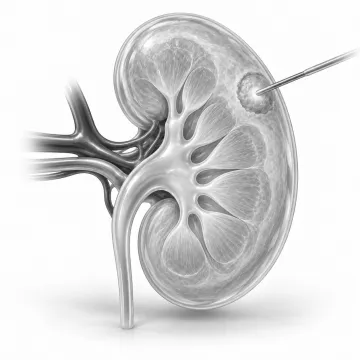
Tumor ablation
Heat or freeze a tumor through a needle, with no incision and a short recovery.
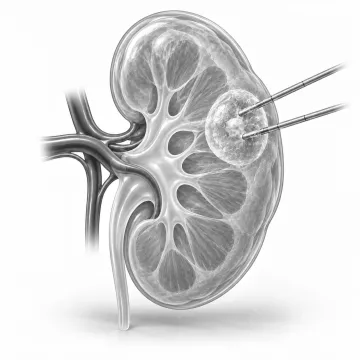
Cryoablation
Freeze small kidney, lung, bone or breast tumors through a needle, with a short recovery.
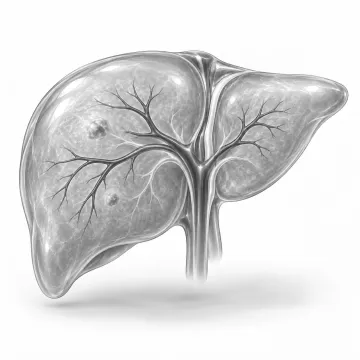
Liver tumors
Primary liver cancer and liver metastases: what they are and every way to treat them.
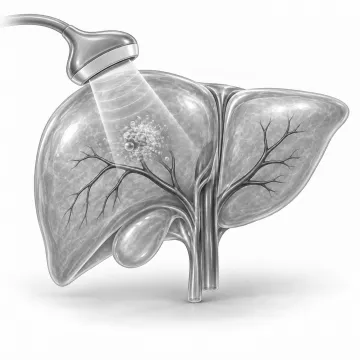
Histotripsy
Focused ultrasound breaks up liver tumors from outside the body. New, and not for everyone.
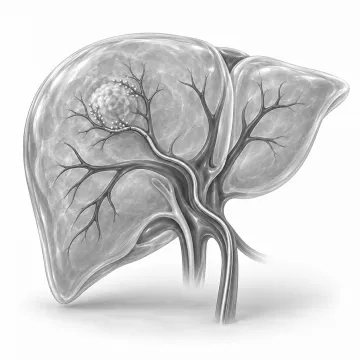
Chemoembolization (TACE)
Concentrated chemotherapy and a blocked blood supply, aimed right at a liver tumor.
Written for patients by the Palo Alto Interventional team. General information only; your own plan depends on your health and imaging.
Talk to us about your options
Request a consultation online, or call 650-404-8445, Monday to Friday, 8 am to 5 pm. You can also ask your doctor to send a referral. We will review your imaging and help you decide whether a procedure makes sense.