
Varicocele
Ease scrotal ache and help fertility, often without surgery.
A varicocele is a cluster of swollen veins above the testicle, like a varicose vein in the scrotum. Many need no treatment; for pain or fertility problems, surgery or embolization through a pinhole can close the faulty veins.
- Common in young men
- Usually left side
- Often no symptoms
- Ultrasound diagnosis
 Fabio Komlos, MDInterventional radiologist
 Watch the video explanation11:04 video · Varicocele Embolization Explained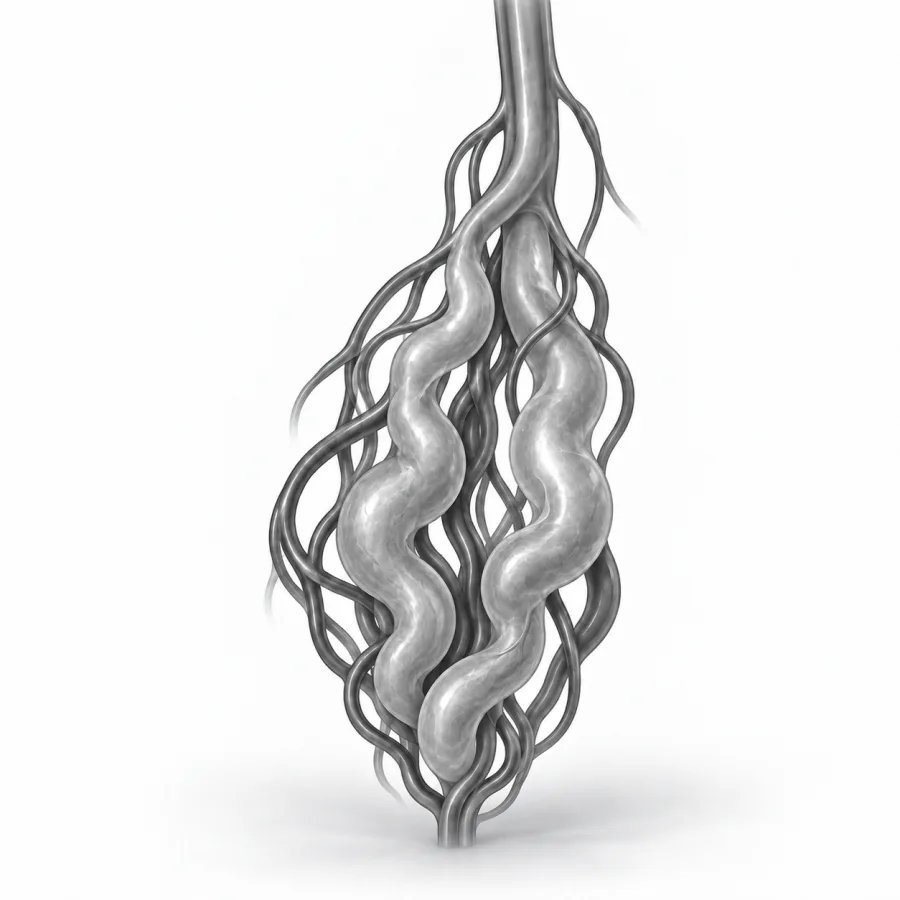
We treat for pain, fertility or a shrinking testicle.
Varicocele Embolization Explained
Dr. Fabio Komlos walks through varicocele the way he explains it in clinic, using the same images he uses to plan treatment.
Fabio Komlos, MDInterventional radiologist · 11:04Quick answers
Under a minute eachWhat is a varicocele?
Each testicle is drained by a network of small veins called the pampiniform plexus, which join into a longer vein, the testicular vein (also called the gonadal vein). That vein has one-way valves that keep blood moving up toward the heart. When the valves fail, blood flows backward and pools. The veins in the scrotum swell and twist, just like varicose veins in the legs. That swelling is a varicocele.
Varicoceles are common, found in about 15 in 100 men. They usually appear during puberty and are much more common on the left, because the left testicular vein is longer and joins the kidney vein at a right angle, which makes backward flow easier.
The pooled blood keeps the testicle warmer than it should be. Sperm production needs a slightly cooler temperature, which is one reason varicoceles can affect fertility.
Symptoms and effects
Most varicoceles cause no symptoms and are found during a routine exam or a fertility workup.
- A dull ache or heaviness in the scrotum, worse after standing, exercise or at the end of the day
- Relief when lying down
- Veins that feel like a soft bag of worms above the testicle
- One testicle smaller or softer than the other
- Difficulty conceiving with a partner
Varicoceles are found in about 35 to 40 in 100 men being evaluated for infertility. They can lower sperm count, movement and shape. Not every man with a varicocele has fertility problems, though. Many father children without any treatment.
When to worry
How it is diagnosed
A doctor can often feel a varicocele while you stand, especially when you bear down as if having a bowel movement (the Valsalva maneuver). Varicoceles are graded from small (felt only when bearing down) to large (visible through the skin).
A scrotal ultrasound with Doppler confirms the diagnosis. It measures the size of the veins, shows backward flow and compares the size of the testicles. It is painless and uses no radiation. If fertility is a concern, a semen analysis checks sperm count, movement and shape, and some men have hormone blood tests.
On Doppler ultrasound, the veins above the testicle look like a cluster of dark tubes. When you bear down, color flashes inside them as blood flows backward, confirming reflux.
Do I need treatment?
Treatment is usually considered for
- Ongoing scrotal pain or heaviness that affects daily life
- Infertility in a couple, when the man has a varicocele that can be felt and an abnormal semen analysis
- Teenagers whose testicle on the affected side is not growing normally
- Men with low testosterone and a varicocele, after discussion with a specialist
Treatment usually isn't needed for
- A varicocele that causes no symptoms
- Men with normal semen analysis
- Varicoceles seen only on ultrasound but not felt on exam, when fertility is the concern
- Couples whose fertility problem lies elsewhere, unless advised by a fertility specialist
For mild ache, supportive underwear or an athletic supporter and anti-inflammatory pain relievers such as ibuprofen can help. If fertility is the goal, we coordinate with your urologist or fertility specialist, and your partner's evaluation matters too.
Treatment options: surgery vs embolization
Both main treatments close the faulty veins so blood drains through healthy ones. Success rates for pain relief and fertility improvement are broadly similar. The main differences are how they are done and the recovery.
| Embolization | Microsurgical varicocelectomy | |
|---|---|---|
| Who does it | Interventional radiologist | Urologist |
| How it works | Coils or a sealing medicine close the vein from inside, through a pinhole in a vein | Veins are tied off through a small cut in the groin, using a microscope |
| Anesthesia | Local numbing and moderate sedation | Usually general anesthesia |
| Incision | None; a 2–3 mm skin puncture | A 2–3 cm cut in the groin |
| Back to normal | Usually 1–2 days | Usually 1–2 weeks |
| Trade-offs | Veins can occasionally not be reached; small X-ray dose | Small risk of fluid around the testicle (hydrocele); longer recovery |
Both options have a small chance, roughly 5 to 10 in 100, that the varicocele comes back or is not fully fixed. If one method does not work, the other can usually be tried. Learn more about how embolization is done on our varicocele embolization page.
Many men come to me after being told surgery is their only option. I explain that embolization reaches the same veins from the inside, through a small nick in the skin, and most men are back at their desk in a day or two. When I study the venogram, I look for every small side branch that could let the varicocele come back, because closing those is what makes the result last.Fabio Komlos, MD, interventional radiologist · About Dr. Fabio Komlos
After treatment
- First 1–2 daysMild ache in the scrotum or back is common after either treatment. Rest and use over-the-counter pain relievers.
- About a weekMost men return to exercise and heavy lifting after about a week following embolization, and after a few weeks following surgery.
- WeeksScrotal ache usually improves within weeks. The veins may take months to shrink fully.
- 3–6 monthsA repeat semen analysis, if fertility was the reason. Sperm take about 2 to 3 months to develop, so changes are not seen sooner.
Varicocele treatment does not affect erections or ejaculation. It is not a form of birth control.
Common questions
Is a varicocele dangerous?
Will treatment improve my fertility?
Does treatment affect testosterone or sexual function?
Which is better, surgery or embolization?
Can a varicocele go away on its own?
Will insurance cover treatment?
Varicocele embolization
Fix a varicocele through a pinhole, with no incision on the scrotum and a quick return to work.
Pelvic congestion syndrome
Chronic pelvic pain from varicose veins in the pelvis, and how embolization treats it.
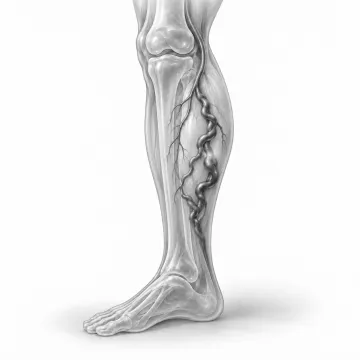
Varicose veins
Why leg veins bulge and ache, and how to treat them without major surgery.
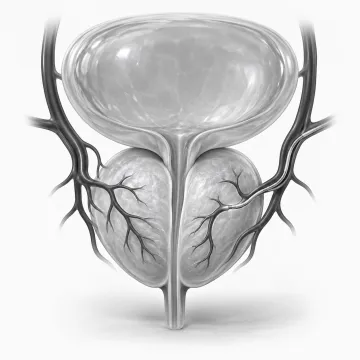
Prostate artery embolization
Shrink an enlarged prostate through a pinhole, without surgery or a hospital stay.
Written for patients by the Palo Alto Interventional team. General information only; your own plan depends on your health and imaging.
Talk to us about your options
Request a consultation online, or call 650-404-8445, Monday to Friday, 8 am to 5 pm. You can also ask your doctor to send a referral. We will review your imaging and help you decide whether a procedure makes sense.