
Aneurysms
Find it early, watch it closely, fix it before it bursts.
An aneurysm is a weak, ballooning spot in an artery. Most are found by chance and only need regular scans. Larger ones can often be repaired through a pinhole in the groin.
- Often no symptoms
- Found on routine scans
- Most need monitoring
- Pinhole repair option
 Fabio Komlos, MDInterventional radiologist
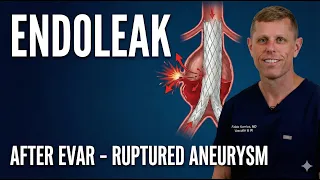 Watch the video explanation5:35 video · Understanding Endoleaks After Aneurysm Repair — Dr. Fabio Komlos, Interventional Radiologist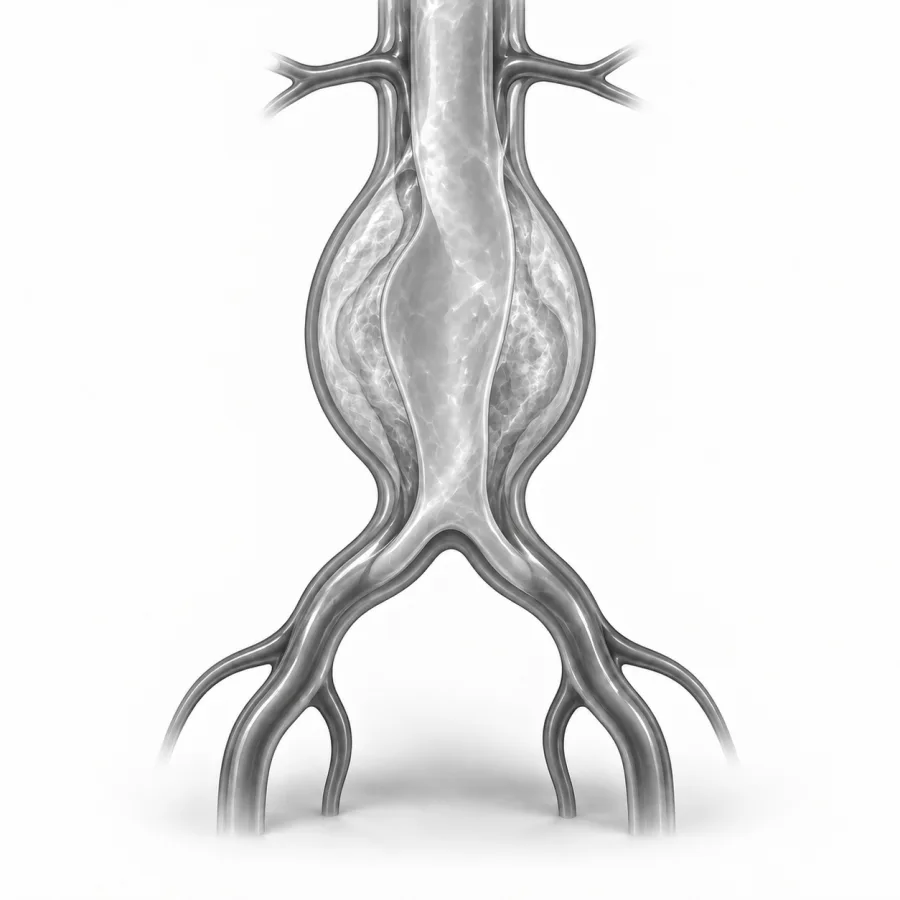
 On imaging
CT angiogram of the aorta and leg arteries, shown dark on light the way we read it.
Understanding Endoleaks After Aneurysm Repair — Dr. Fabio Komlos, Interventional Radiologist
Dr. Fabio Komlos walks through aneurysms the way he explains it in clinic, using the same images he uses to plan treatment.
Fabio Komlos, MDInterventional radiologist · 5:35What Is an Endoleak? A Common Cause of AAA Repair Failure
1:56
Everything you need to know about angiograms and what to expect after
13:56
What is an aneurysm?
An aneurysm is a spot where the wall of an artery has weakened and stretched, so the artery bulges outward like a thin spot on a garden hose. The bigger it gets, the thinner the wall becomes. The main danger is that it can burst, called a rupture, which causes severe internal bleeding.
The most common place is the aorta, the main artery that runs from the heart down through the chest and belly. An aneurysm in the belly part is called an abdominal aortic aneurysm (AAA). Aneurysms can also form in the arteries that feed the organs, called visceral aneurysms. The splenic artery, which feeds the spleen, is the most common of these. Others involve the arteries to the kidneys, liver or intestines, or the arteries behind the knee (popliteal aneurysms).
What raises your risk
- Smoking, now or in the past (the strongest risk factor for AAA)
- Being male and over 65
- A parent, brother or sister with an aneurysm
- High blood pressure and hardening of the arteries
- For splenic aneurysms: being female, several past pregnancies, liver disease with high pressure in the liver veins (portal hypertension), or a liver transplant
- Certain inherited conditions that weaken connective tissue, such as Marfan or Ehlers-Danlos syndrome
Symptoms
Most aneurysms cause no symptoms at all. They are usually found by chance on an ultrasound or CT scan done for another reason, or on a screening ultrasound. Medicare and many plans cover a one-time AAA screening ultrasound for men aged 65 to 75 who have ever smoked, and for people with a family history.
Symptoms that can occur
- A pulsing feeling in the belly, like a heartbeat, especially when lying down
- Deep, steady pain in the belly, side or lower back
- Pain in the upper left belly with a splenic aneurysm
- Cold, painful or discolored toes, if small clots break off the aneurysm lining
A tender or painful aneurysm is treated as urgent, even if it has not burst, because pain can mean it is growing fast or starting to leak.
Warning signs of rupture
Splenic aneurysms deserve special attention in pregnancy. They are more likely to rupture during pregnancy, especially in the last three months, so women who know they have one and are planning a pregnancy should talk with us first.
How aneurysms are diagnosed and watched
An ultrasound is a quick, painless way to measure an abdominal aortic aneurysm, with no radiation. A CT angiogram, a CT scan with contrast dye, shows the exact size and shape of the aneurysm and the arteries around it. It is used to plan repair and to study visceral aneurysms, which are harder to see on ultrasound.
What we seeMost small aneurysms are simply watched with regular scans, called surveillance. The risk of rupture for a small aneurysm is very low, lower than the risk of repairing it. How often you are scanned depends on the size.
Typical plan for an abdominal aortic aneurysm, by size
- 3.0–3.9 cm: ultrasound every 2–3 years
- 4.0–4.9 cm: ultrasound every year
- 5.0–5.4 cm: scan every 6 months and plan ahead with a specialist
- 5.5 cm or larger (5.0 cm in women): repair is usually recommended
- Growing more than 1 cm in a year, or painful: repair is usually recommended, whatever the size
These intervals follow common guidelines and may be adjusted to your health, the shape of the aneurysm and how fast it is growing.
Treatment options
The goal of treatment is to stop blood from pressing on the weak wall, so the aneurysm cannot burst. Everyone with an aneurysm benefits from quitting smoking and keeping blood pressure under control. There is no pill that shrinks an aneurysm, but a statin and aspirin are often prescribed to protect the heart.
Repair of an abdominal aortic aneurysm
- Endovascular aneurysm repair (EVAR): a fabric-covered metal tube called a stent-graft is folded inside a thin catheter, passed through small punctures in both groins and opened inside the aorta. Blood flows through the new tube instead of pushing on the aneurysm wall. Most people stay 1 to 2 nights in the hospital.
- Open surgical repair: a surgeon opens the belly, clamps the aorta and sews in a fabric tube. It lasts very well but means a larger operation, about 5 to 10 days in the hospital and 2 to 3 months to recover fully.
| EVAR | Open repair | |
|---|---|---|
| Incision | Two small groin punctures | Large belly incision |
| Hospital stay | Usually 1–2 nights | Usually 5–10 days |
| Full recovery | About 2–4 weeks | About 2–3 months |
| Early risk | Lower | Higher |
| Lifelong scans | Yes, to check for leaks | Fewer needed |
Whether EVAR is possible depends on the shape of your aorta, especially the length of healthy aorta above the aneurysm and the size of the arteries in your pelvis. After EVAR, regular scans check for an endoleak, a leak of blood back into the aneurysm sac. Read more on our endoleaks page.
Treatment of visceral aneurysms
- Embolization: through a pinhole in the groin or wrist, we guide a thin catheter to the aneurysm and fill it, or the artery feeding it, with tiny soft metal coils or a liquid plug. This stops blood flow into the aneurysm. Many people go home the same day or the next morning.
- Covered stent: a fabric-covered stent can seal off the aneurysm while keeping blood flowing to the organ beyond it.
- Surgery: open or laparoscopic surgery is used when the anatomy does not allow a catheter approach.
Splenic artery aneurysms are usually treated when they reach about 2 cm, grow, cause pain, or are found in a woman who is pregnant or could become pregnant. Some visceral aneurysms, called pseudoaneurysms, form after injury, surgery or pancreatitis. These have a thin wall and are usually treated regardless of size.
When I review a scan of an aneurysm, I look at three things: its size, how fast it has grown since the last scan, and the arteries around it that I would need to protect during a repair. Most people I see with a small aneurysm do not need a procedure, just a plan and a reminder for the next scan. When repair is needed, I walk you through the options side by side, including open surgery, because the right answer depends on your anatomy and your overall health.Fabio Komlos, MD, interventional radiologist · About Dr. Fabio Komlos
What embolization of a visceral aneurysm is like
- 1Preparation
You do not eat for about 6 hours beforehand. An IV is placed and you receive moderate sedation, so you are relaxed and comfortable.
- 2Reaching the aneurysm
We numb a small spot in the groin or wrist and guide a thin catheter through the arteries to the aneurysm, using X-ray and contrast dye as a map.
- 3Sealing it off
We place tiny coils or a liquid embolic agent to block flow into the aneurysm, while protecting the blood supply to the organ where possible. A final picture confirms it is sealed.
- 4Recovery
The catheter is removed and the pinhole is sealed. You rest for a few hours. Some people have mild belly pain or a low fever for a few days, especially after splenic embolization.
After embolization of the splenic artery, part of the spleen may lose its blood supply. This can cause left-sided belly pain, nausea and a low fever for several days, called post-embolization syndrome. It is managed with pain medicine and usually settles within a week. The spleen usually keeps working because it gets blood from other small arteries. A follow-up CT scan checks that the aneurysm stays sealed.
Living with an aneurysm
- Keep every surveillance scan. Growth is silent, and the scan is how we know when to act.
- Stop smoking. It makes aneurysms grow faster and rupture more often.
- Keep your blood pressure under control, ideally below the target your doctor sets.
- Stay active. Walking, swimming and cycling are fine. Ask us before very heavy lifting or straining if your aneurysm is large.
- Tell your family. Brothers, sisters and children may benefit from screening.
- Know the warning signs of rupture and when to call 911.
Common questions
Will my aneurysm burst?
Can I exercise with an aneurysm?
Can an aneurysm go away on its own?
Is EVAR better than open surgery?
Can I fly or travel?
Should my family be checked?
Will insurance cover screening and repair?
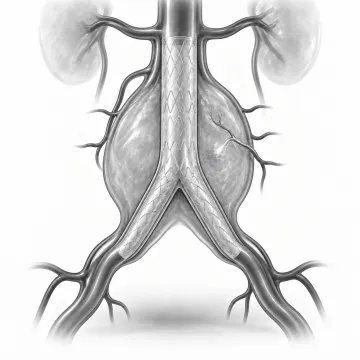
Endoleaks
Told you have a leak after EVAR? Learn the types, which ones matter and how they are fixed.
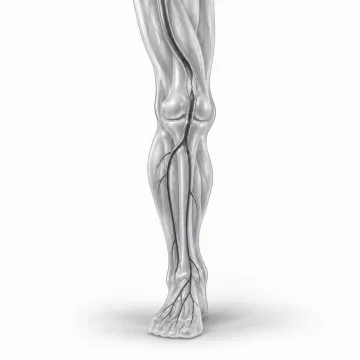
Peripheral arterial disease
Leg pain when walking or wounds that won't heal? Learn how blocked leg arteries are treated.
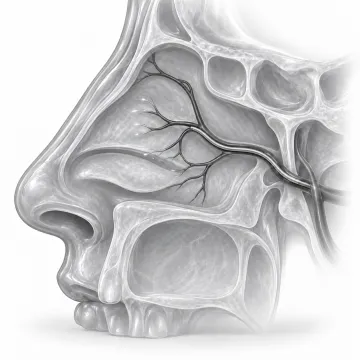
Epistaxis embolization
Stop severe or recurring nosebleeds by sealing the bleeding arteries from the inside.

Before your procedure
Fasting, medicines, blood thinners, diabetes, a driver and what to bring: your checklist.
Written for patients by the Palo Alto Interventional team. General information only; your own plan depends on your health and imaging.
Talk to us about your options
Request a consultation online, or call 650-404-8445, Monday to Friday, 8 am to 5 pm. You can also ask your doctor to send a referral. We will review your imaging and help you decide whether a procedure makes sense.