
Paracentesis
Relieve a swollen belly by draining the fluid.
Paracentesis drains fluid (ascites) from the belly through a thin, soft tube placed under ultrasound. It takes 20 to 60 minutes with numbing medicine, and most people feel lighter and breathe easier the same day.
- Outpatient
- 20–60 minutes
- Numbing medicine
- Awake throughout
 Fabio Komlos, MDInterventional radiologist
 Watch the video explanation10:32 video · Removing Ascites Fluid: Paracentesis Explained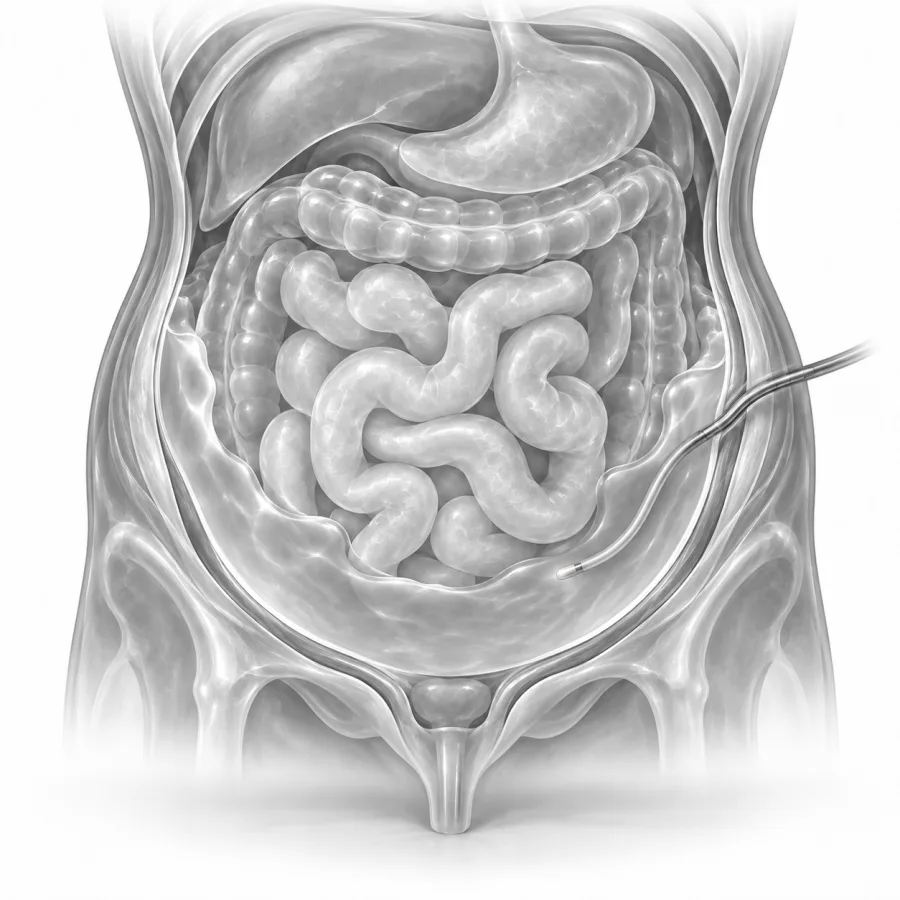
A thin, soft tube and numbing medicine.
Removing Ascites Fluid: Paracentesis Explained
Dr. Fabio Komlos walks through paracentesis the way he explains it in clinic, using the same images he uses to plan treatment.
Fabio Komlos, MDInterventional radiologist · 10:32Transjugular Intrahepatic Portosystemic Shunt
14:50
PleurX Catheter
8:23
What is ascites?
Ascites is fluid that builds up inside the belly, in the space around the bowel and other organs, called the peritoneal cavity. A small amount causes no symptoms. Several liters can make the belly tight and swollen.
Symptoms
- A swollen, heavy or tight belly and weight gain
- Feeling full after only a few bites
- Shortness of breath, especially when lying down
- Belly discomfort, heartburn or constipation
- Swelling in the legs
On ultrasound, ascites looks black, and loops of bowel float in it like gray shapes. We choose a deep pocket of fluid, usually in the lower side of the belly, away from the bowel and the blood vessels in the belly wall.
Cirrhosis, cancer and other causes
About 8 in 10 cases of ascites in the United States are caused by cirrhosis, which is advanced scarring of the liver. Scarring raises the pressure in the veins of the liver (portal hypertension) and lowers the body's protein levels, so fluid leaks into the belly. Cancer is the next most common cause, often from the ovary, pancreas, colon, stomach or breast. Heart failure, kidney disease, infection such as tuberculosis and inflammation of the pancreas are less common causes.
| Ascites from cirrhosis | Ascites from cancer | |
|---|---|---|
| Why it forms | High pressure in the liver veins and low protein | Cancer cells on the lining of the belly make fluid |
| First treatment | Low-salt diet and water pills (diuretics) | Treating the cancer when possible; diuretics help less |
| Albumin after drainage | Often given when more than 5 liters are removed | Usually not needed |
| If it keeps returning | Repeat drainage, TIPS or liver transplant evaluation | Repeat drainage or a tunneled home drain |
The first sample of fluid is tested in the lab. The difference between protein in the blood and in the fluid shows whether portal hypertension is the cause. Cell counts check for infection, and cytology looks for cancer cells.
Who needs paracentesis
Reasons to drain
- New ascites, to find the cause
- A tight belly causing pain, fullness or shortness of breath
- Fever, belly pain or confusion in someone with cirrhosis, to check for infection
- Ascites that no longer responds to water pills
May need extra care or a different plan if
- The fluid pocket is very small
- The bowel is very swollen or blocked
- You are pregnant
- Fluid returns every few days, where a longer-term option may be better
In people with cirrhosis, mildly abnormal clotting tests or low platelets usually do not stop a paracentesis. Serious bleeding is rare even then. Your team will check your numbers and decide.
How to prepare
- 1Tell us about any blood thinners. Many people can keep taking them for paracentesis, but we will confirm. See blood thinners.
- 2You can eat and drink normally unless told otherwise.
- 3Take your usual medicines.
- 4Empty your bladder just before the procedure.
- 5Plan to be with us 1 to 2 hours if a large amount of fluid will be drained or albumin given.
What happens during paracentesis
- 1Positioning
You lie on your back on the table with your head slightly raised, sometimes tilted a little to one side.
- 2Ultrasound and numbing
We find the best pocket of fluid with ultrasound, mark it, clean the skin and numb it down to the lining of the belly.
- 3Draining the fluid
A thin needle with a soft plastic tube over it goes into the fluid. The needle comes out, leaving only the soft tube, and fluid drains into vacuum bottles. You may feel pressure, but it is usually not painful.
- 4Finishing up
We remove the tube and cover the spot with skin glue or a bandage. If needed, albumin is given through an IV.
If you have cirrhosis and we remove more than about 5 liters, we usually give albumin, a protein made from donated blood, through an IV. It helps keep fluid in your blood vessels and protects your kidneys and blood pressure.
Many of my paracentesis patients come back every week or two, and I get to know them well. I scan every time, because the fluid and the bowel shift, and I pick a fresh spot away from old punctures. If you are coming in very often, I will talk with your liver or cancer doctor about whether TIPS or a home drain could give you more time between visits.Fabio Komlos, MD, interventional radiologist · About Dr. Fabio Komlos
Recovery
- Right afterRest for a short time while we check your blood pressure. Most people feel lighter and can breathe and eat more easily right away.
- Same dayGo home and resume your usual activities. You can shower the same day and eat normally.
- Next 1–2 daysMild soreness at the site is normal. A little clear fluid may leak; a folded gauze pad helps.
- OngoingFollow your low-salt diet and water pill plan. Your doctor will review the lab results with you.
Use acetaminophen (Tylenol) for soreness. If you have cirrhosis, keep to no more than 2,000 mg a day unless your doctor says otherwise, and avoid ibuprofen and naproxen, which can harm the kidneys.
Risks
With ultrasound guidance, paracentesis is very safe. Serious bleeding and infection each happen in fewer than 1 in 100 procedures. Injury to the bowel is very rare. Fluid leaking from the puncture site for a day or two is the most common problem and usually stops on its own. Some people feel dizzy or have low blood pressure after a large drainage, which albumin helps prevent.
Common questions
Does paracentesis hurt?
How much fluid can you remove?
Why do I need albumin?
How often will I need it?
Can I drive home?
Is there an alternative to repeated drainage?
Will insurance cover it?
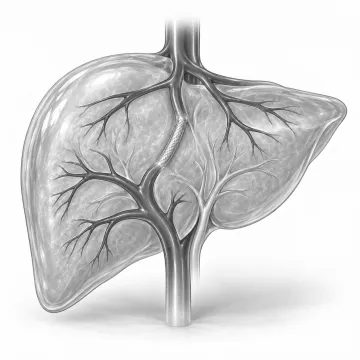
TIPS (transjugular intrahepatic portosystemic shunt)
A stent inside the liver, placed through the neck, that lowers pressure from cirrhosis.
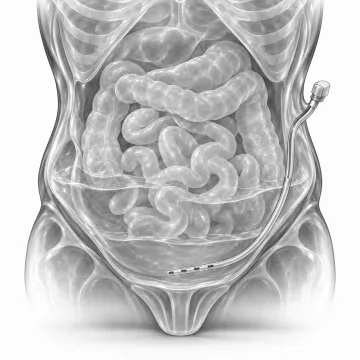
Abdominal PleurX catheter
A home drain for fluid that keeps building up in the belly (ascites).
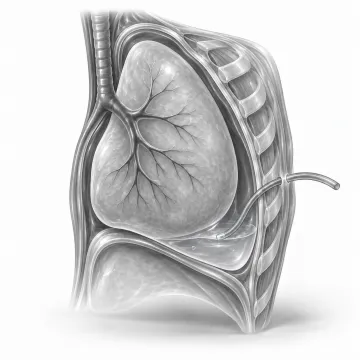
Thoracentesis
Drain fluid around the lung through a thin tube between the ribs, often with relief the same day.
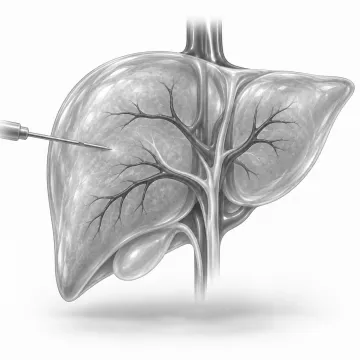
Medical liver biopsy
Measure liver inflammation, fat and scarring with a needle sample, through the side or the neck.
Palliative cancer care
Small procedures that ease fluid build-up, pain, blockages and eating problems caused by cancer.
Written for patients by the Palo Alto Interventional team. General information only; your own plan depends on your health and imaging.
Talk to us about your options
Request a consultation online, or call 650-404-8445, Monday to Friday, 8 am to 5 pm. You can also ask your doctor to send a referral. We will review your imaging and help you decide whether a procedure makes sense.