
Sedation and anesthesia
Comfortable and relaxed, often without being put to sleep.
Most interventional radiology procedures use numbing medicine in the skin plus moderate sedation through an IV, so you feel relaxed and drowsy. A nurse watches your breathing and heart the whole time.
- Local numbing
- Twilight sedation
- Nurse monitoring
- Driver required
 Fabio Komlos, MDInterventional radiologist
 Watch the video explanation3:29 video · Before your procedure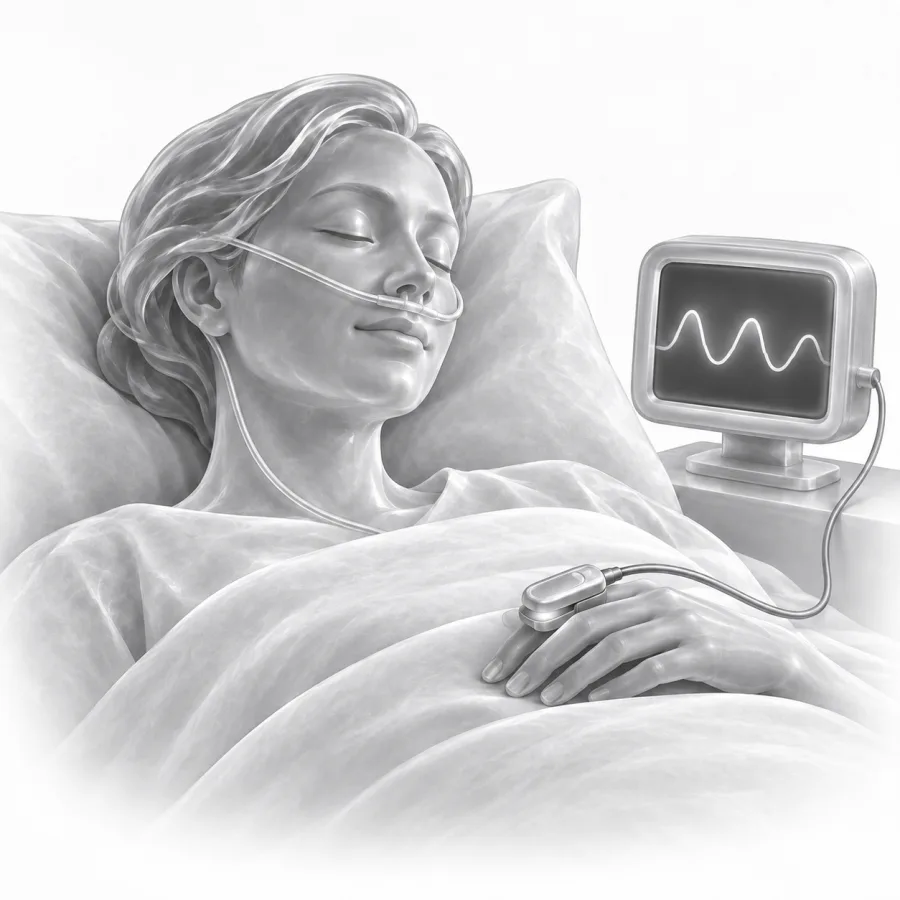
Most patients doze and remember little of the procedure.
Before your procedure
Dr. Fabio Komlos walks through sedation and anesthesia the way he explains it in clinic, using the same images he uses to plan treatment.
Fabio Komlos, MDInterventional radiologist · 3:29Welcome to Vascular and Interventional Radiology
3:26
The three levels of comfort
We match the type of comfort medicine to the procedure and to you. Almost every procedure starts with local numbing at the skin. Many add sedation through your IV. A few need full anesthesia.
| Local anesthesia | Moderate sedation | General anesthesia | |
|---|---|---|---|
| What it is | Numbing medicine injected in the skin | IV medicine that relaxes you and eases pain | Medicine that puts you fully to sleep |
| Are you awake? | Fully awake | Drowsy, can respond when spoken to | No |
| Breathing | Normal | On your own, with oxygen if needed | Often helped by a breathing tube or mask |
| Who gives it | Your doctor | A trained nurse, directed by your doctor | An anesthesia team |
| Fasting and driver | Often not needed | Needed | Needed |
| Examples | PICC line, thyroid biopsy, paracentesis | Most biopsies, drains, ports, embolizations | Some long or complex procedures |
Local anesthesia
Local anesthesia, usually lidocaine, numbs a small area of skin and the tissue underneath. You feel a small pinch and a few seconds of burning as it goes in, and then the area goes numb within about a minute.
After that, you may still feel pressure, pushing or tugging, but not sharp pain. If you feel pain, tell us and we will add more numbing medicine. With local anesthesia alone, you are fully awake, and you can usually eat, drink and drive afterward.
Moderate sedation, or twilight sleep
Moderate sedation, sometimes called conscious sedation or twilight sleep, is the most common choice for IR procedures. A nurse gives you two medicines through your IV: one that relaxes you and dulls memory, usually midazolam, and one that eases pain, usually fentanyl. They start working within 1 to 2 minutes.
You breathe on your own and can answer questions or change position if we ask. Many patients doze off. Most remember little or nothing of the procedure afterward, though some remember parts of it. Small extra doses can be given at any time if you are uncomfortable.
A nurse trained in sedation stays with you from start to finish, watching your heart rhythm, blood pressure, breathing and oxygen level on a monitor. Your doctor directs the doses and can reverse both medicines quickly if needed.
General anesthesia and deep sedation
Some procedures are long, uncomfortable, or need you to stay completely still or hold your breath precisely. Some patients also have health issues, such as severe sleep apnea, lung disease or trouble lying flat, that make an anesthesia team the safer choice.
In those cases, an anesthesiologist or nurse anesthetist gives deeper sedation or general anesthesia and manages your breathing. You will meet them before the procedure. Recovery usually takes a little longer.
What you may feel and remember
- A cool feeling in your arm as the medicine goes into your IV.
- Feeling heavy, calm and sleepy within a couple of minutes.
- Pressure where we are working, but not sharp pain.
- A warm flush for a few seconds if contrast dye is injected. This is normal.
- Waking up groggy, sometimes with a dry mouth or mild nausea.
- Gaps in memory for the rest of the day. You may ask the same question twice, which is normal.
I tell patients that sedation is not about knocking you out; it is about keeping you comfortable and still while we work. I talk to you during the procedure, and if something feels wrong, you can always tell me. Many patients are surprised to find it is over when they thought we were just getting started.Fabio Komlos, MD, interventional radiologist · About Dr. Fabio Komlos
Why you need a driver, and the next 24 hours
Sedation medicines leave your body slowly. For the rest of the day your reaction time, balance and judgment are affected, even when you feel completely normal. That is why you need a responsible adult to take you home. A taxi or rideshare alone is not allowed. If you do not have a driver, your procedure may be rescheduled.
For 24 hours after sedation, do not
- Drive or operate machinery or power tools
- Drink alcohol or take sleeping pills, unless your doctor approves
- Sign legal documents or make important decisions
- Care for young children or others alone
- Climb ladders or do anything that needs good balance
It is best to have someone stay with you overnight. Start with light food and fluids, then return to your usual diet. Read more in our recovery guide.
Common questions
Will I be asleep?
Will I remember the procedure?
Can I choose to be fully asleep?
Why can't I eat before sedation?
I have sleep apnea. Is sedation safe?
When can I drive?
Before your procedure
Fasting, medicines, blood thinners, diabetes, a driver and what to bring: your checklist.
After your procedure
Puncture site care, activity, showering, driving, pain and when to call after an IR procedure.
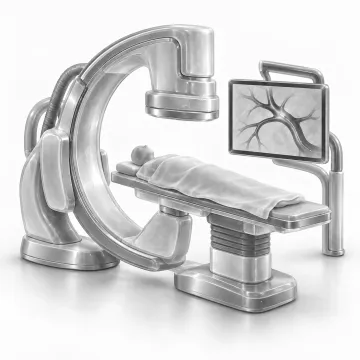
What is interventional radiology?
How doctors treat disease from the inside, through a pinhole, using live imaging as their eyes.
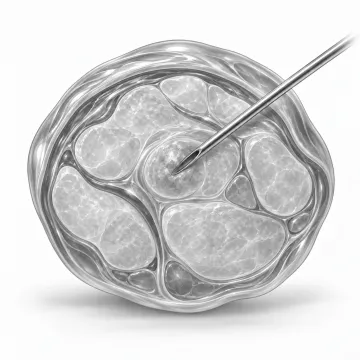
Image-guided biopsies
Get a tissue diagnosis through a needle, guided by ultrasound or CT, usually without an incision.
Written for patients by the Palo Alto Interventional team. General information only; your own plan depends on your health and imaging.
Talk to us about your options
Request a consultation online, or call 650-404-8445, Monday to Friday, 8 am to 5 pm. You can also ask your doctor to send a referral. We will review your imaging and help you decide whether a procedure makes sense.