
Cancer pain treatment
Ease cancer pain when medicines are not enough.
When pain medicines stop working or cause too many side effects, targeted procedures can quiet the nerves carrying the pain, steady a broken bone, or treat a painful tumor directly. Most take about an hour, and many people go home the same day.
- Mostly outpatient
- About 1 hour
- Sedation or anesthesia
- Relief in days
 Fabio Komlos, MDInterventional radiologist
 Watch the video explanation11:04 video · What you need to know about Intrathecal Pain Pump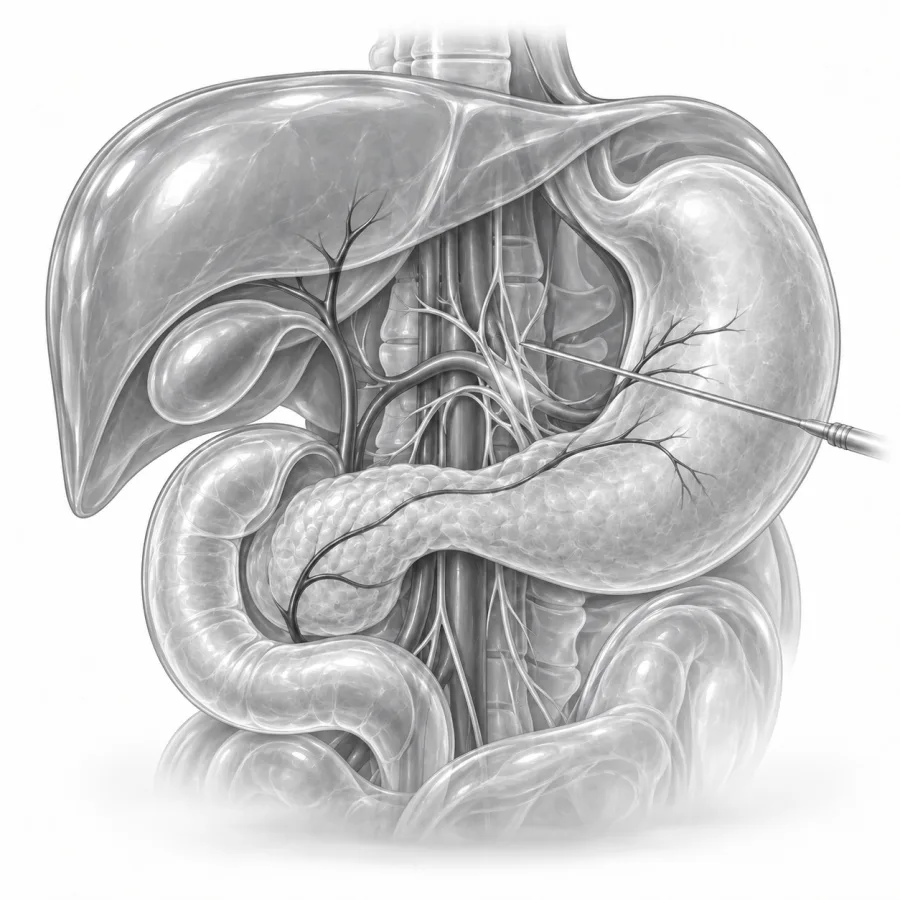
Treat the source of pain, often with less opioid medicine.
What you need to know about Intrathecal Pain Pump
Dr. Fabio Komlos walks through cancer pain treatment the way he explains it in clinic, using the same images he uses to plan treatment.
Fabio Komlos, MDInterventional radiologist · 11:04Kyphoplasty
9:27
Minimally Invasive Cancer Treatment Explained Tumor Ablation Options
3:49
Quick answers
Under a minute eachWhy cancer pain may need more than pills
Most cancer pain can be controlled with medicines. But for some people, the doses needed cause sleepiness, confusion, constipation or nausea, or the pain breaks through anyway. Image-guided procedures can target the source: the nerves carrying pain signals, a fractured bone, or the tumor itself. They usually work alongside your medicines and often let you take less.
These procedures are part of palliative cancer care, which focuses on comfort at any stage of cancer, including during active treatment.
The main options
| Best for | How long relief lasts | |
|---|---|---|
| Celiac plexus neurolysis | Upper belly pain, especially from pancreatic cancer | Often weeks to months |
| Hypogastric plexus block | Pelvic pain from bowel, bladder, prostate or gynecologic cancers | Weeks to months |
| Vertebral augmentation | Painful spine fractures from cancer or myeloma | Usually long-lasting |
| Bone tumor ablation | A few painful bone tumors | Often months |
| Intrathecal pain pump | Widespread or severe pain despite high medicine doses | Ongoing, with refills |
- Celiac plexus neurolysis. The celiac plexus is a bundle of nerves in front of the spine that carries pain from the pancreas, stomach, liver and nearby organs. We first may numb it with a test injection, called a block. For lasting relief we inject alcohol to quiet the nerves, called neurolysis. Most people with pancreatic cancer pain get meaningful relief and can often lower their opioid dose.
- Superior hypogastric plexus block. The same idea for nerves lower in the spine that carry pain from the pelvic organs. A related block, of the ganglion impar, treats pain around the tailbone and rectum. See also nerve blocks.
- Vertebral augmentation. When cancer weakens a spine bone and it collapses, we inject medical bone cement through a needle to stabilize it. See kyphoplasty and sacroplasty for the tailbone area.
- Bone tumor ablation. For one or a few painful bone tumors, heat or cold through a needle destroys the tumor and the nerve endings around it, often combined with cement. It helps when radiation has not worked or is not possible. See cryoablation and tumor ablation.
- Intrathecal pain pump. A small pump placed under the skin of the belly sends tiny doses of medicine directly to the fluid around the spinal cord. Doses are a small fraction of what you would need by mouth, so side effects are usually fewer. See pain pumps.
On CT, the celiac plexus lies just in front of the aorta, the body's main artery. We watch the needle tip reach that spot and see contrast spread around the nerves before we inject.
Who it helps, and who it may not
Often a good fit
- Pain not controlled by medicines
- Side effects from pain medicines that affect quality of life
- Pain clearly coming from one area, nerve group or bone
- A spine fracture seen on MRI that matches your pain
May not be right if
- Pain comes from many places with no clear source
- An uncontrolled bleeding problem or active infection
- Tumor anatomy blocks a safe needle path
- You cannot lie still for the procedure, even with sedation
When I see someone with cancer pain, I ask them to point to where it hurts and describe it, because that tells me which nerves are carrying it. Then I match that to the scans. For pancreatic cancer pain, I often suggest a celiac plexus procedure earlier rather than later, because relief tends to be better before the tumor grows around the nerves. My goal is simple: less pain and a clearer head.Fabio Komlos, MD, interventional radiologist · About Dr. Fabio Komlos
How to prepare
- We review your scans, and sometimes order a new CT or MRI to plan the needle path.
- Do not eat or drink after midnight if you will receive sedation.
- Blood thinners may need to be paused. See blood thinners.
- Keep taking your pain medicines unless we tell you otherwise. We adjust doses afterward, not before.
- Arrange for an adult to drive you home.
What happens, using a celiac plexus procedure as an example
- 1Positioning and sedation
You lie face down on the CT table, with pillows for comfort. You receive moderate sedation and IV fluids, which help prevent low blood pressure.
- 2Guiding the needle
We numb the skin on your back and use CT to guide one or two thin needles next to the spine, toward the nerve bundle. Contrast confirms the right spot.
- 3Treating the nerves
We inject numbing medicine first, then alcohol to quiet the nerves. You may feel warmth or brief pressure in the back or belly.
- 4Recovery
You rest for a few hours while we check your blood pressure. Most people go home the same day.
Kyphoplasty, bone ablation and pump placement follow a similar pattern of imaging-guided needles, with details on their own pages.
Recovery and results
- First 24 hoursRest. Soreness at the needle site is common. After a celiac procedure, stand up slowly, since blood pressure can drop, and expect loose stools for a day or two.
- Days 1–7Pain relief usually starts within days. Do not stop pain medicines suddenly. We will lower doses step by step with you.
- Weeks 2–4We check in to see how much the pain has improved and adjust medicines.
- LaterIf pain returns, many of these procedures can be repeated or combined.
Risks
- Soreness at the needle site for a few days. Common.
- Dizziness on standing from low blood pressure after a celiac procedure, usually for a day or two.
- Diarrhea after a celiac procedure, usually brief.
- Bleeding or infection, uncommon.
- Nerve injury, including leg weakness or numbness, rare. Paralysis after celiac neurolysis is very rare.
- Cement leaking outside the bone during vertebral augmentation, usually without symptoms.
- Pump-related problems such as infection or catheter issues, discussed on the pain pumps page.
Common questions
Will I still need pain medicine?
How soon will I feel relief?
How long does it last?
Does the procedure itself hurt?
Is it too late if my cancer is advanced?
Can I keep having chemotherapy or radiation?
Will insurance cover it?
Palliative cancer care
Small procedures that ease fluid build-up, pain, blockages and eating problems caused by cancer.
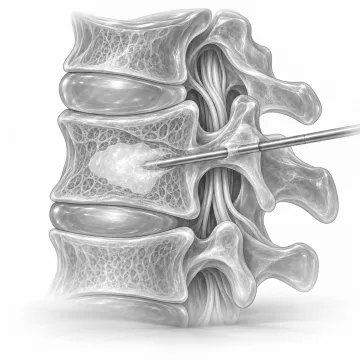
Kyphoplasty
Stabilize a painful spine compression fracture with bone cement, through a needle.
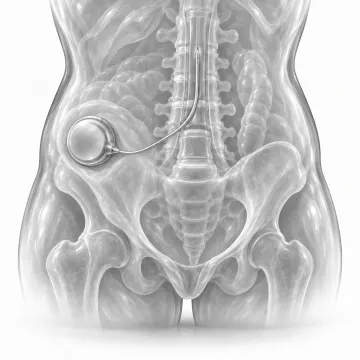
Pain pumps (intrathecal drug delivery)
Deliver pain medicine directly to the spinal cord for severe pain, with fewer side effects.
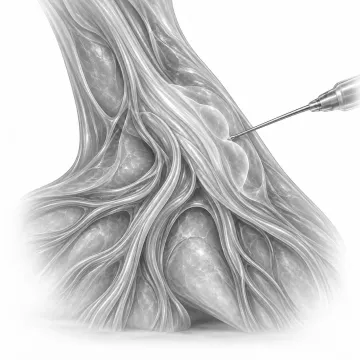
Nerve blocks
Pinpoint and calm the nerve carrying your pain with a precise, image-guided injection.
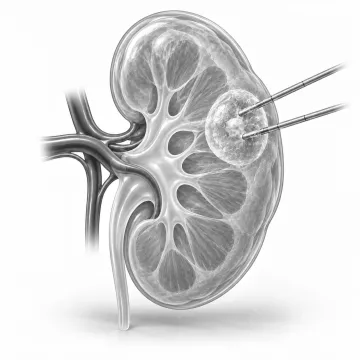
Cryoablation
Freeze small kidney, lung, bone or breast tumors through a needle, with a short recovery.
Written for patients by the Palo Alto Interventional team. General information only; your own plan depends on your health and imaging.
Talk to us about your options
Request a consultation online, or call 650-404-8445, Monday to Friday, 8 am to 5 pm. You can also ask your doctor to send a referral. We will review your imaging and help you decide whether a procedure makes sense.