
Varicose veins
Ease aching, swollen legs caused by leaky veins.
Varicose veins are swollen, twisted veins, usually caused by tiny valves inside the leg veins that no longer close well. Today most are treated through a needle stick, and you walk out the same day.
- Very common
- More common in women
- Ultrasound diagnosis
- Treatable in clinic
 Fabio Komlos, MDInterventional radiologist
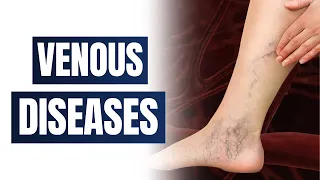 Watch the video explanation18:10 video · Understanding Venous Problems: Varicose Veins, DVT, and More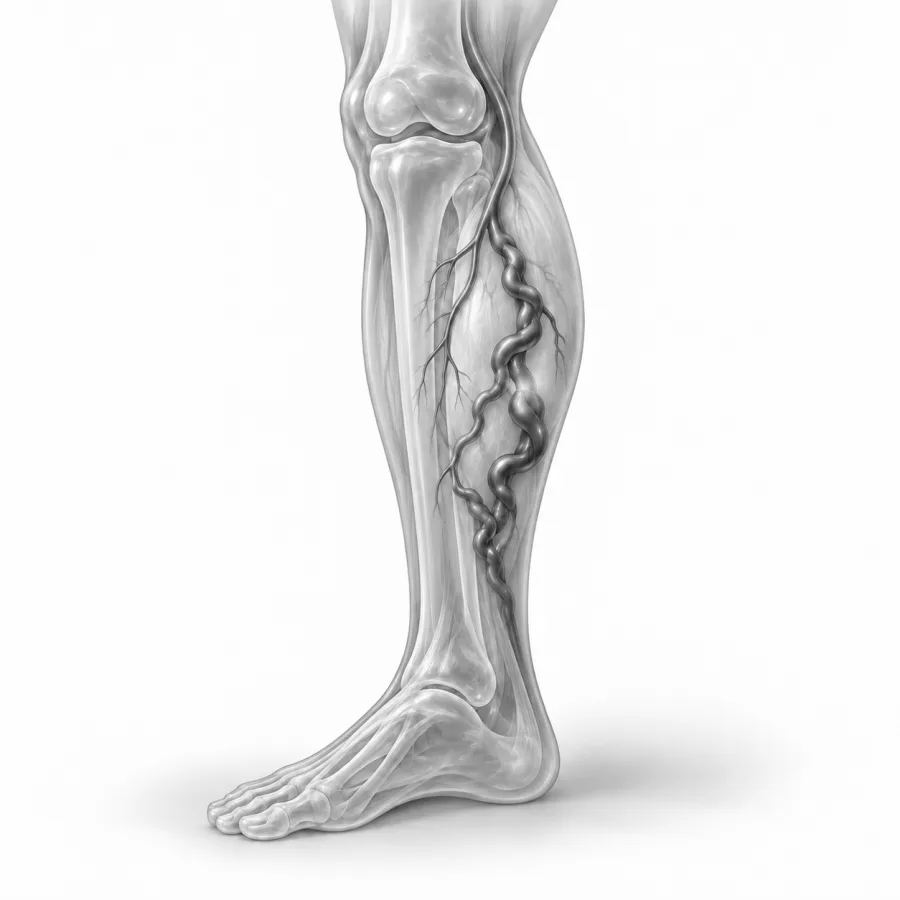
Most treatments use a needle, not a scalpel.
Understanding Venous Problems: Varicose Veins, DVT, and More
Dr. Fabio Komlos walks through varicose veins the way he explains it in clinic, using the same images he uses to plan treatment.
Fabio Komlos, MDInterventional radiologist · 18:10Doctor Reveal 3 Proven Ways to Eliminate Varicose Veins WITHOUT Surgery!
3:00
Are Varicose Veins Dangerous?
2:56
Compression Stockings.
1:45
Quick answers
Under a minute eachWhat are varicose veins and why do they happen?
Your arteries carry blood from the heart down to your legs. Your veins carry it back up, against gravity. To do that, leg veins have tiny one-way valves, like little doors, that open to let blood move up and close to stop it falling back down. Your calf muscles squeeze the veins with every step and help push the blood along.
When those valves weaken, blood leaks backward and pools in the lower leg. Doctors call this venous reflux or venous insufficiency. The extra pressure stretches the veins near the skin until they bulge and twist. Those stretched veins are varicose veins.
Things that make varicose veins more likely
- A parent or sibling with varicose veins (the strongest risk factor)
- Being a woman, and hormone changes from pregnancy, menopause or hormone pills
- Pregnancy, especially more than one
- Getting older
- Carrying extra weight
- Jobs with long hours of standing or sitting
- A past blood clot in the leg, which can scar the valves
Varicose veins are part of a range of vein problems. At the mild end are spider veins, fine red or purple lines in the skin. At the severe end are skin changes and open sores near the ankle.
On a duplex ultrasound, the technologist squeezes your calf and watches the vein on screen. Healthy blood flows up only. In a leaky vein, color on the screen flips to show blood flowing back down for more than half a second.
Symptoms
Some people have large varicose veins and no symptoms at all. Others have only small visible veins but a lot of discomfort. Symptoms usually get worse through the day and after long periods of standing, and better when you raise your legs.
What you may see
- Blue or purple veins that bulge like cords
- Ankle swelling, often worse in the evening
- Brown or reddish staining of the skin near the ankle
- Dry, itchy, thickened skin over the veins
What you may feel
- Aching, heavy or tired legs
- Burning or throbbing along a vein
- Night cramps or restless legs
- Itching around the veins
Leg pain is not always from veins. Pain when walking that goes away within minutes of rest can be a sign of blocked arteries, called peripheral arterial disease. We check for both.
When to worry
Most varicose veins are uncomfortable rather than dangerous. A few problems need prompt attention.
- Bleeding. A vein close to the skin can burst, sometimes with no injury at all. It can bleed heavily. See what to do for a bleeding varicose vein.
- A hard, red, tender vein. This is inflammation with a small clot inside the vein, called superficial thrombophlebitis. It needs a check and often an ultrasound, because the clot can extend into deeper veins.
- Sudden swelling of one whole leg or calf pain. This can be a deep vein clot (DVT) and should be seen the same day.
- Skin changes or a sore near the ankle. Darkening, hardening or an open wound (a venous ulcer) means the vein pressure is damaging the skin. Treating the veins helps ulcers heal and stay healed.
How we find the cause
The key test is a duplex ultrasound of the leg veins. It is painless, uses no radiation and takes about 30 to 60 minutes. You stand or lie tilted so the veins fill, while the technologist maps which veins leak and how badly. The test also rules out old or new clots in the deep veins.
The ultrasound matters because the bulging veins you see are often not the source of the problem. Usually a longer vein deeper under the skin, most often the great saphenous vein running up the inside of the leg, is leaking and feeding the visible branches. Treating only the surface veins without fixing that leak leads to the veins coming back.
Less often, the problem is a blockage higher up, in the pelvis or abdomen. For example, a pelvic vein squeezed by an artery (May-Thurner syndrome) or scarred by an old clot. If your ultrasound or symptoms suggest that, we may add a CT or MRI scan of the veins.
Treatment options
Treatment is chosen to fit your ultrasound findings and your goals. Many people start with simple steps. If symptoms continue, the leaky vein can be closed from the inside. Your body then reroutes blood through healthy veins, and the bulging branches shrink.
Things you can do yourself
- Wear graduated compression stockings. We usually recommend knee-high stockings at 20–30 mmHg. Stronger 30–40 mmHg stockings also work but are hard to pull on.
- Walk every day. Your calf muscle is your second heart for the veins.
- Raise your legs above heart level for 15 to 30 minutes a few times a day.
- Avoid standing or sitting still for hours. Flex your ankles and take short walks.
- Reach a healthy weight if you can.
Stockings ease symptoms while you wear them, but they do not fix the valves. Many insurance plans ask you to try stockings for a few months before they will cover a procedure.
| Thermal ablation | Foam or liquid sclerotherapy | Phlebectomy | |
|---|---|---|---|
| What it does | Heat seals the leaky main vein from inside | A medicine injected into the vein makes it scar shut | Removes bulging surface veins through tiny nicks |
| Best for | Leaky saphenous veins | Branch veins, recurrent veins, small veins | Large ropey veins near the skin |
| Numbing | Local anesthetic, sometimes light sedation | Usually none, or local | Local anesthetic |
| Back to normal | Usually 1–2 days | Same day | 1–3 days |
| Stockings after | Usually 1–2 weeks | Usually 1–2 weeks | Usually 1–2 weeks |
Endovenous thermal ablation uses a thin laser fiber or radiofrequency catheter placed through a needle stick, guided by ultrasound. Sclerotherapy injects a medicine called a sclerosant, as a liquid or a foam, directly into the vein. Other closure methods use a medical glue. We most often use ultrasound-guided sclerotherapy, and for more extensive veins this can be done in the hospital as an outpatient with moderate sedation, meaning you are relaxed and drowsy but breathing on your own.
Old-style vein stripping surgery under general anesthesia is now rarely needed. Small surface veins are covered on our spider veins page.
What treatment and recovery are like
Most vein procedures take under an hour. You are awake, the skin is numbed, and most people feel pressure and a few stings. You walk out of the room and go home the same day.
- Same dayWalk for 10 to 20 minutes right after. Wear your stocking as instructed. Walking helps prevent clots.
- First few daysMild tightness or a pulling feeling along the treated vein is normal. Most people are back at desk work in 1 to 2 days. Over-the-counter pain medicine is usually enough.
- First 1–2 weeksAvoid heavy lifting, hot tubs and long flights if you can. Bruising fades. A follow-up ultrasound is often done within a week or two to confirm the vein is closed and no clot has formed.
- 1–3 monthsBulging veins shrink and aching improves. Some small veins may need a touch-up session.
Possible side effects and risks
- Bruising and tenderness, lasting 1 to 2 weeks
- Lumps or firmness along the vein, fading over weeks
- Brown staining of the skin over treated veins, which usually fades over months
- Numbness or tingling of a small patch of skin, usually temporary
- Rarely, a clot extending into a deep vein, which is why we check with ultrasound
- Varicose veins can return over the years, because the tendency to weak valves remains
When I look at a leg ultrasound, I am less interested in the veins you can see than in the one feeding them. If I can find and close that leak, the visible veins often shrink on their own and the heaviness gets better. I also tell patients honestly that vein disease is a lifelong tendency, so we treat what bothers you now and check again if new veins appear.Fabio Komlos, MD, interventional radiologist · About Dr. Fabio Komlos
Living with varicose veins
Not every varicose vein has to be treated. If your veins do not bother you and your skin is healthy, it is reasonable to wear stockings when you need them, stay active and keep an eye on things. Treatment makes sense when you have aching, swelling, skin changes, bleeding or clots, or when the veins affect how you live.
During pregnancy, veins often get worse and then improve in the months after delivery. We usually wait at least 3 months after the baby is born before treating, because many veins settle down.
Insurance coverage for vein treatment depends on your symptoms, your ultrasound results and your plan. Treatment of veins for looks alone is usually considered cosmetic.
Explore in detail
Common questions
Are varicose veins dangerous?
Do compression stockings cure varicose veins?
Does treatment hurt?
If you close a vein, where does the blood go?
Will my veins come back?
Will insurance cover it?
Should I treat my veins before a long flight or surgery?
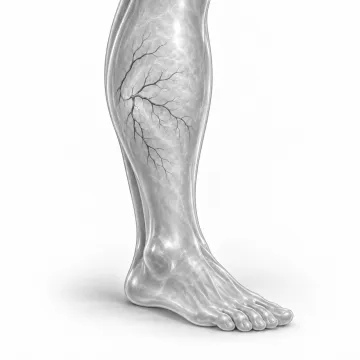
Spider veins
What spider veins are and how sclerotherapy fades them, session by session.
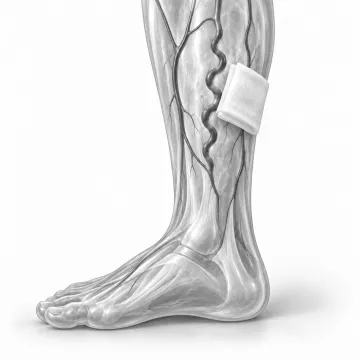
Bleeding varicose vein: what to do
Step-by-step first aid for a bleeding varicose vein, and when to call 911.
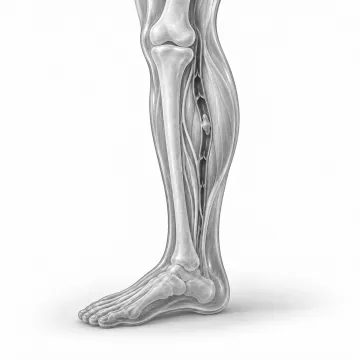
DVT (deep vein blood clots)
Blood clots in the leg or arm: signs, blood thinners, clot removal and long-term care.
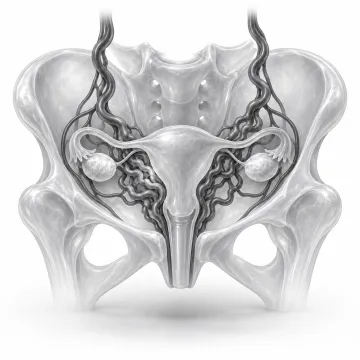
Pelvic congestion syndrome
Chronic pelvic pain from varicose veins in the pelvis, and how embolization treats it.
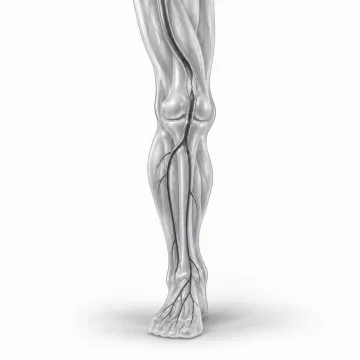
Peripheral arterial disease
Leg pain when walking or wounds that won't heal? Learn how blocked leg arteries are treated.
Written for patients by the Palo Alto Interventional team. General information only; your own plan depends on your health and imaging.
Talk to us about your options
Request a consultation online, or call 650-404-8445, Monday to Friday, 8 am to 5 pm. You can also ask your doctor to send a referral. We will review your imaging and help you decide whether a procedure makes sense.