
After your procedure
Recover at home with confidence.
Most people are back to light activity within a day or two after an interventional radiology procedure. Here is how to care for the puncture site, when to shower and drive, and when to call us.
- Rest the first day
- Shower after 24 hours
- No driving 24 hours
- Light lifting only
 Fabio Komlos, MDInterventional radiologist
 Watch the video explanation5:32 video · After Embolization? Don't Make These 5 Mistakes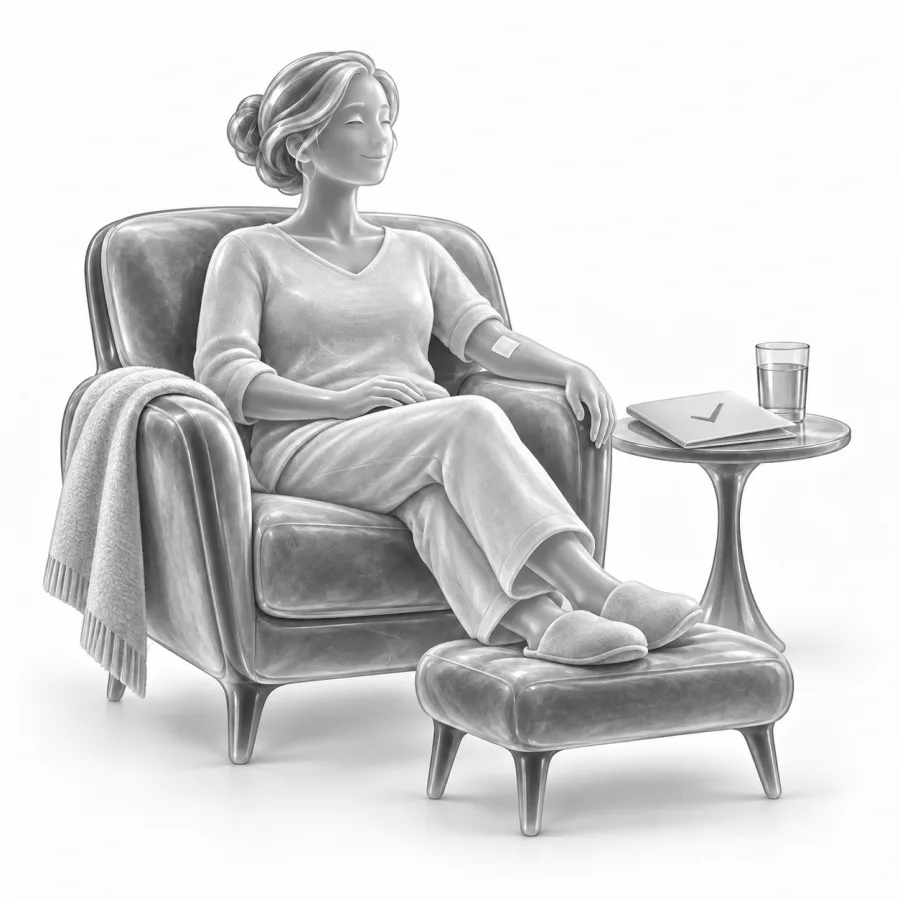
If the site bleeds, press firmly for 15 minutes.
After Embolization? Don't Make These 5 Mistakes
Dr. Fabio Komlos walks through after your procedure the way he explains it in clinic, using the same images he uses to plan treatment.
Fabio Komlos, MDInterventional radiologist · 5:32Everything you need to know about angiograms and what to expect after
13:56
Before your procedure
3:29
Before you leave the hospital
After the procedure, you rest in the recovery area while a nurse checks your blood pressure, pulse and the puncture site. Most people stay 1 to 2 hours. After a procedure through the artery in the upper thigh, you may need to lie flat for 2 to 4 hours so the artery can seal. After a procedure through the wrist, a snug band is loosened step by step over about 2 hours, and you can usually sit up right away.
Before you go, you will receive written instructions for your specific procedure, including when to restart any blood thinners. Keep them handy. If they differ from this general guide, follow your written instructions.
Recovery day by day
- The first eveningRest at home with an adult nearby. Drink plenty of fluids, especially if you received contrast, and eat light meals. Keep the dressing on and dry.
- Day 1Remove the dressing and shower. Walk around the house and do light activities. Still no driving if you had sedation less than 24 hours ago.
- Days 2 to 3Most people return to desk work and normal daily activities. Keep avoiding heavy lifting and hard exercise.
- Days 5 to 7Most people return to exercise and normal lifting. You can soak in a bath, pool or hot tub once the site is fully closed.
Recovery after larger treatments, such as embolization or ablation, can take longer. You may feel tired for a week or more. Your doctor will tell you what to expect.
Caring for the puncture site
The puncture is usually 2 to 3 mm and closes on its own without stitches. It is normal to have a small bruise, mild tenderness or a pea-sized lump under the skin for a week or two.
- Keep the dressing clean and dry for the first 24 hours, then remove it.
- Shower after 24 hours. Let soapy water run over the site, then pat it dry. Do not scrub.
- Cover it with a simple adhesive bandage for a few days if you like.
- Do not put creams, powders or lotions on the site until it heals.
- No baths, swimming or hot tubs for 5 to 7 days, or until the skin is fully closed.
- When you cough, sneeze or laugh in the first day after a groin puncture, press gently over the site with your hand.
If you went home with a drain or tube, follow the separate care instructions in how to manage your drain.
Activity, lifting and driving
Fine to do
- Walk around the house the same day
- Light household tasks from the next day
- Desk work after 1 to 3 days, depending on the procedure
- Climb stairs slowly
Avoid for now
- Driving for 24 hours after sedation, or while taking opioid pain pills
- Lifting more than about 10 pounds for 3 to 5 days after a groin puncture
- Heavy use of the arm, such as lifting or pushing up from a chair, for 2 days after a wrist puncture
- Running, gym workouts, golf or yard work for about 5 days
Air travel is usually fine a few days after most procedures, but ask us first if you have a drain, had a lung biopsy or had a large treatment.
Pain and other normal symptoms
Mild soreness at the puncture site is common for a few days. Acetaminophen (Tylenol) is usually enough. Ask us before taking ibuprofen or naproxen, because they can increase bleeding after some procedures. If we prescribed a stronger pain medicine, take it only as directed, and do not drive while taking it.
After an embolization, it is common to have cramping or aching, low-grade fever below 101°F, nausea and tiredness for 3 to 7 days. This is called post-embolization syndrome, and it is a sign that the treated tissue is responding. It improves a little every day. Treatments that heat or freeze tissue can cause similar flu-like feelings.
The most common calls I get are about a bruise at the puncture site, and almost all of them are normal. What I want you to watch for is change: a lump that keeps growing, pain that gets worse instead of better after the first few days, or a fever that climbs. When in doubt, call. I would rather hear from you early.Fabio Komlos, MD, interventional radiologist · About Dr. Fabio Komlos
When to call us and when to call 911
Call us at 650-404-8445 if you have
- A fever above 101°F, or chills
- Redness, warmth, swelling or pus at the puncture site
- Oozing from the site that restarts after you have pressed on it
- Pain that keeps getting worse or is not controlled by your medicine
- Nausea or vomiting that keeps you from drinking fluids
- A new rash, hives or itching in the days after contrast
- Any question about your medicines or your recovery
Common questions
When can I shower?
When can I drive?
Is a bruise normal?
When can I go back to work?
When do I restart my blood thinner?
Can I take ibuprofen?
When will I get my results?
Before your procedure
Fasting, medicines, blood thinners, diabetes, a driver and what to bring: your checklist.
Sedation and anesthesia
Local numbing, twilight sedation and anesthesia: what you feel and why you need a ride.
Blood thinners and your procedure
Which blood thinners may be paused before a procedure, typical hold times, and how bridging works.
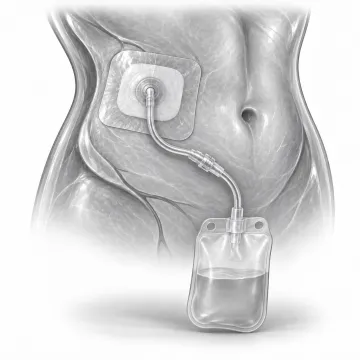
How do I manage my drain?
Emptying, flushing, dressing changes and daily records for a drainage catheter at home.
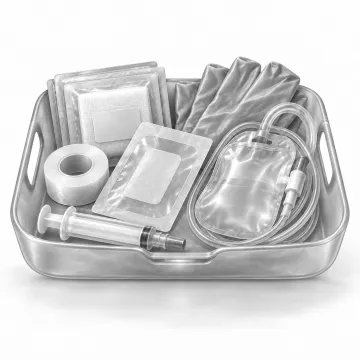
Home supplies for drains and tubes
What supplies you need for drains, kidney and bile tubes, and feeding tubes, and where to get them.
Written for patients by the Palo Alto Interventional team. General information only; your own plan depends on your health and imaging.
Talk to us about your options
Request a consultation online, or call 650-404-8445, Monday to Friday, 8 am to 5 pm. You can also ask your doctor to send a referral. We will review your imaging and help you decide whether a procedure makes sense.