
Bone marrow biopsy
Get answers about your blood with less pain.
A bone marrow biopsy takes a small sample of the soft tissue inside the hip bone, where blood is made. With CT guidance and sedation it takes 15 to 20 minutes, and most people go home within an hour.
- Outpatient
- 15–20 minutes
- Sedation or local
- Home within an hour
 Fabio Komlos, MDInterventional radiologist
 Watch the video explanation5:04 video · How painful is a Bone Marrow Biopsy?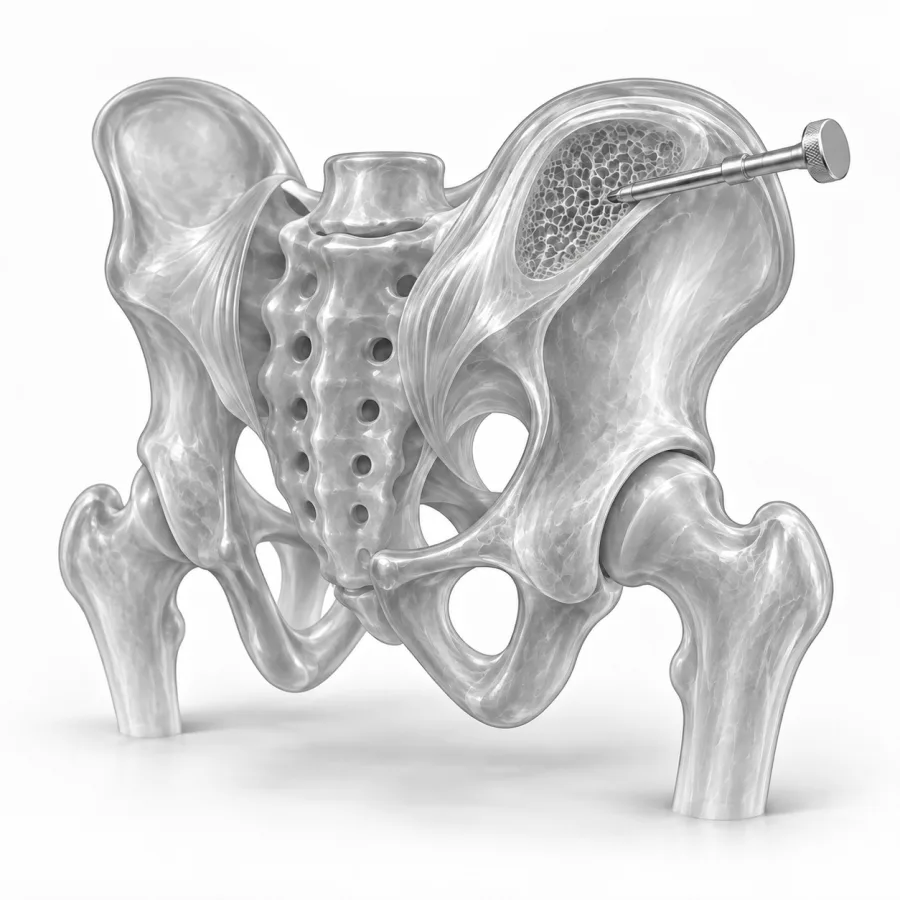
 On imaging
CT guidance: the needle path into the back of the pelvic bone, checked before the sample is taken.
How painful is a Bone Marrow Biopsy?
Dr. Fabio Komlos walks through bone marrow biopsy the way he explains it in clinic, using the same images he uses to plan treatment.
Fabio Komlos, MDInterventional radiologist · 5:04How do you know if you have cancer or not?
12:30
What is a bone marrow biopsy?
Bone marrow is the soft, spongy tissue inside your bones. It makes your red blood cells, white blood cells and platelets. When blood tests show too many, too few or abnormal blood cells, looking at the marrow itself often gives the answer.
The test usually has two parts, done through the same small puncture. The aspiration draws out a few teaspoons of liquid marrow. The biopsy takes a thin core of solid marrow about the width of a pencil lead. Both come from the back of the hip bone, called the posterior iliac crest, because the marrow there is rich and the bone is close to the skin.
What we seeWhy you may need one
- Unexplained anemia (low red cells), low white cells or low platelets
- Suspected leukemia, lymphoma, multiple myeloma or other blood cancers
- Checking whether a cancer has spread to the marrow (staging)
- Seeing how well treatment, such as chemotherapy or a stem cell transplant, is working
- Unexplained fever when a marrow infection is possible
- Storage diseases or iron problems
Your hematologist (blood specialist) or oncologist orders the test and decides which lab studies to run, such as flow cytometry, chromosome and genetic tests. There is no scan or blood test that fully replaces a marrow sample for these questions.
How painful is it?
This is the question almost everyone asks, and it deserves a straight answer. Bone marrow biopsies have a reputation for hurting, mostly from tests done at the bedside with numbing medicine only. The bone surface can be numbed, but the marrow inside cannot, so there are a few moments of deep discomfort.
What people usually feel
- Numbing shot: a sting and burning for a few seconds.
- Needle into the bone: firm pressure and pushing, usually not sharp pain.
- Aspiration: a brief, deep pulling or aching feeling down the leg, lasting a few seconds.
- Biopsy core: pressure and twisting for less than a minute.
- Afterward: soreness like a deep bruise for 2 to 3 days.
In our practice the biopsy is done at El Camino Hospital with moderate (twilight) sedation and CT guidance. Sedation makes you relaxed and drowsy, and many people remember little of the procedure. CT lets us place the needle precisely, which can mean fewer attempts. You can choose numbing medicine only if you prefer to drive yourself home.
Many of my patients come in anxious because a previous bone marrow biopsy was painful. I tell them honestly that the aspiration still causes a few seconds of deep ache, and I warn them just before it happens. With sedation and good numbing of the bone surface, most tell me afterward it was far easier than last time.Fabio Komlos, MD, interventional radiologist · About Dr. Fabio Komlos
How to prepare
- 1Tell us about any blood thinners. Many people can keep taking them for this procedure, but we will confirm. See blood thinners.
- 2If you choose sedation, do not eat for 8 hours before and bring an adult to drive you home.
- 3Take your usual medicines with a small sip of water.
- 4Wear loose, comfortable clothing.
More tips are in before your procedure and sedation.
What happens during the biopsy
- 1Getting ready
A nurse starts an IV and connects heart, blood pressure and oxygen monitors. You lie on your stomach on the CT table.
- 2Planning
A low-dose CT scan shows the back of the hip bone. We clean the skin, give sedation and numb the skin and the surface of the bone.
- 3Taking the samples
We guide a hollow needle into the bone. We draw out liquid marrow for the aspiration, then take a small core of solid marrow for the biopsy.
- 4Finishing up
We remove the needle, press on the site for a few minutes and seal it with skin glue.
Recovery and results
- First 30–60 minutesRest in recovery, often lying on your back to press on the site. You can eat, drink and see family.
- Rest of the dayTake it slow. No driving or alcohol if you had sedation. You can shower after 24 hours.
- Days 1–3Mild soreness in the lower back or hip. Most people return to normal activities the next day.
- About 1 weekAvoid baths, hot tubs and swimming until the site heals. Skin glue falls off in 1 to 2 weeks.
An ice pack and acetaminophen (Tylenol) usually control the soreness. If your platelets are low, ask before using ibuprofen.
First results often come in about 2 business days. Genetic and chromosome studies can take 1 to 3 weeks. Your hematologist or oncologist will review them with you.
Risks
Bone marrow biopsy is one of the safest biopsies. Serious bleeding and infection each happen in fewer than 1 in 100 people. Bleeding is slightly more likely if your platelets are very low. Nerve irritation and injury to nearby structures are very rare, and CT guidance helps us avoid them. Some people feel lightheaded briefly after sedation.
Common questions
How painful is a bone marrow biopsy?
Can I be asleep for it?
Why use CT for a bone marrow biopsy?
Can I drive home?
When can I shower?
Will insurance cover it?
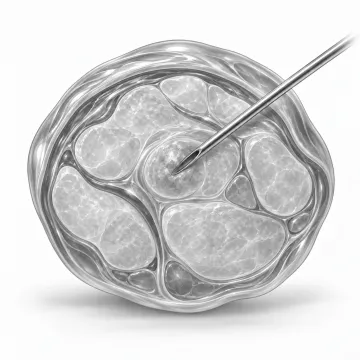
Image-guided biopsies
Get a tissue diagnosis through a needle, guided by ultrasound or CT, usually without an incision.
Lymph node biopsy
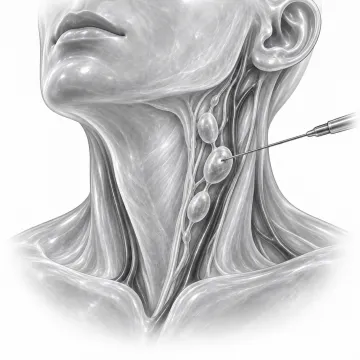
Diagnose a swollen lymph node with a needle guided by ultrasound or CT, usually without surgery.
Ports
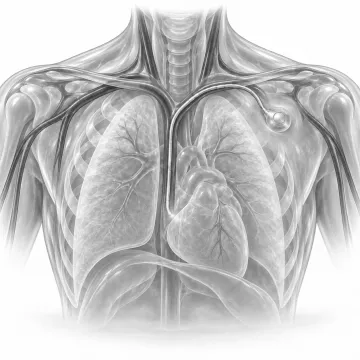
A small device under the chest skin for chemo, infusions and blood draws.
Written for patients by the Palo Alto Interventional team. General information only; your own plan depends on your health and imaging.
Talk to us about your options
Request a consultation online, or call 650-404-8445, Monday to Friday, 8 am to 5 pm. You can also ask your doctor to send a referral. We will review your imaging and help you decide whether a procedure makes sense.