
Liver tumors
Many ways to treat liver tumors, often without surgery.
Liver tumors are either cancers that start in the liver or cancers that spread there from elsewhere. Beyond surgery, transplant and medicines, many can be treated through a needle or a pinhole in an artery, usually with a short hospital stay.
- Often no symptoms
- Found on scans
- Team-based care
- Many treatment options
 Fabio Komlos, MDInterventional radiologist
 Watch the video explanation5:43 video · How Interventional Radiologists Treat Liver Tumors Without Surgery — at is liver-directed therapy?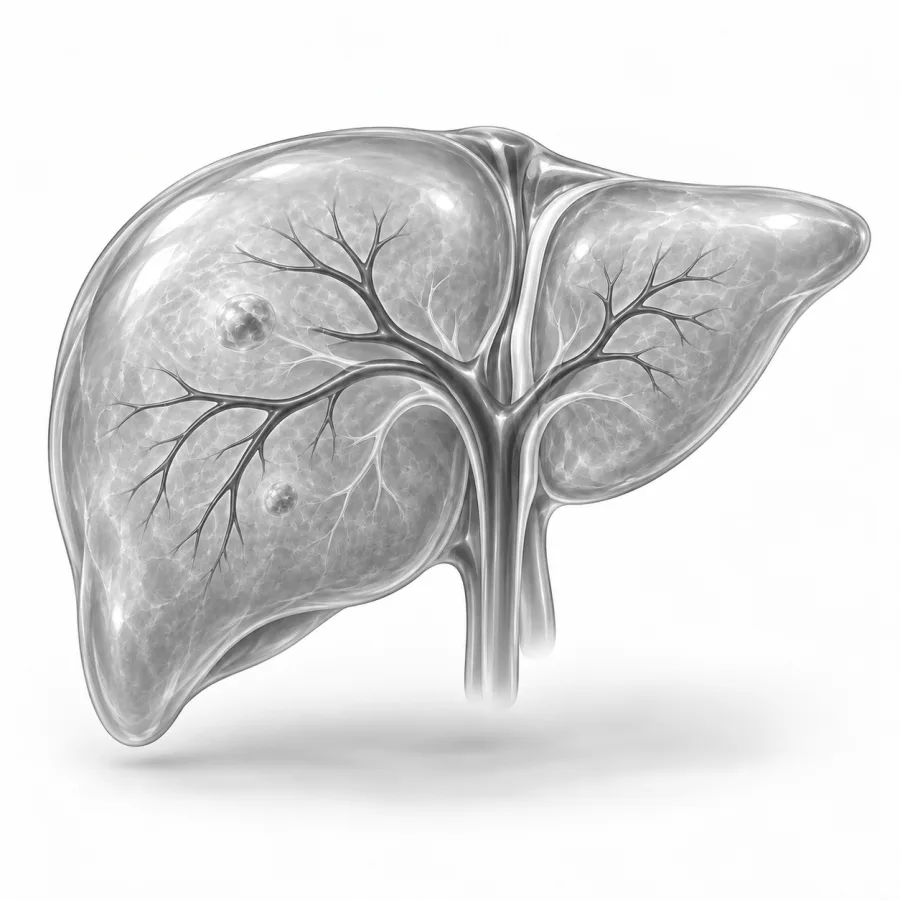
Surgeons, oncologists and interventional radiologists plan together.
How Interventional Radiologists Treat Liver Tumors Without Surgery — at is liver-directed therapy?
Dr. Fabio Komlos walks through liver tumors the way he explains it in clinic, using the same images he uses to plan treatment.
Fabio Komlos, MDInterventional radiologist · 5:43Understanding Y90 Radioembolization
16:11
Liver Ablation
12:42
Cancer Treatment Breakthrough: How Histotripsy Transforms Tumor Removal
14:23
Quick answers
Under a minute eachWhat are liver tumors?
A liver tumor is a lump of abnormal cells in the liver. Many are harmless. Hemangiomas, tangles of blood vessels, and focal nodular hyperplasia (FNH) are common benign spots that usually need no treatment at all. This page is about the two kinds that do need treatment.
- Primary liver cancer starts in the liver itself. The most common type is hepatocellular carcinoma (HCC). It usually grows in a liver already damaged by long-term disease. A less common type starts in the bile ducts, called cholangiocarcinoma.
- Liver metastases are cancers that started somewhere else, such as the colon, rectum, breast, pancreas, or a neuroendocrine tumor, and spread to the liver. They are treated as the original cancer type. Colon cancer that has spread to the liver is still colon cancer.
The liver is a common place for cancer to land because blood from the bowel passes through it first. It is also a forgiving organ: it can regrow after part of it is removed, and it has two blood supplies. Liver tumors feed mainly from the hepatic artery, which is what makes artery-based treatments possible.
On a multiphase CT or MRI, a typical liver cancer lights up brightly when contrast first arrives in the arteries, then looks darker than the surrounding liver a minute or two later. This pattern often lets doctors diagnose it without a biopsy.
Who is at risk, and symptoms
Primary liver cancer mostly develops in people with cirrhosis, which is heavy scarring of the liver. Common causes include hepatitis B or C, long-term heavy alcohol use, and fatty liver disease linked to obesity and diabetes, now called MASLD. Hepatitis B can cause liver cancer even without cirrhosis. If you have cirrhosis or chronic hepatitis B, guidelines recommend an ultrasound, often with a blood test called AFP, every 6 months to catch cancer early.
Early tumors usually cause no symptoms. Later signs can include
- A dull ache or fullness under the right ribs
- Losing weight without trying, or feeling full quickly
- Tiredness and low appetite
- Yellow skin or eyes (jaundice)
- A swollen belly from fluid (ascites)
How liver tumors are diagnosed and staged
- Imaging: a multiphase CT or MRI is the key test. In people with cirrhosis, a typical pattern can confirm liver cancer without a biopsy.
- Blood tests: liver function, blood counts, and tumor markers such as AFP for liver cancer or CEA for colon cancer.
- Biopsy: a thin needle takes a small sample when the images are not typical, for metastases, or when tumor genetics will guide medicines. See liver biopsy.
- Staging: scans of the chest and body check for spread. For liver cancer, doctors also grade how well the liver works, often using the Child-Pugh score, and combine this into a stage, such as the Barcelona (BCLC) system.
Your case is usually discussed at a tumor board, a meeting where surgeons, oncologists, radiation oncologists, liver specialists, radiologists and interventional radiologists review your scans together and agree on a plan.
Treatment options
The best treatment depends on the number and size of tumors, whether cancer has spread, and how well your liver works. Treatments are often combined or used one after another.
| Best suited for | What it involves | |
|---|---|---|
| Surgery (resection) | One or a few tumors in a healthy enough liver | Removing part of the liver; several days in hospital |
| Liver transplant | Early liver cancer with cirrhosis, within size limits | A new liver; cures both tumor and cirrhosis |
| Ablation | Small tumors, usually 3 cm or less | Heat, cold or ultrasound through the skin; same day or overnight |
| Artery-based treatment | Larger or multiple tumors limited to the liver | Y-90 or chemoembolization through a pinhole in an artery |
| Medicines | Cancer that has spread or is too large for local treatment | Immunotherapy, targeted drugs or chemotherapy |
| Focused radiation (SBRT) | Tumors hard to reach with a needle | A few outpatient radiation sessions |
Treatments interventional radiologists offer
- Microwave ablation and cryoablation: destroy small tumors with a needle. See tumor ablation for an overview.
- Histotripsy: a newer, needle-free option that uses focused ultrasound.
- Y-90 radioembolization: tiny radioactive beads delivered into the tumor's arteries.
- Chemoembolization (TACE): chemotherapy plus blocking particles delivered into the tumor's arteries.
- Portal vein embolization: grows the part of the liver that will remain, so a larger surgery becomes safe.
These treatments can also keep cancer in check while you wait for a transplant, or shrink tumors enough that surgery or transplant becomes possible.
How interventional radiology fits in
Interventional radiologists use live imaging to treat tumors from the inside, through needles and thin tubes, instead of through incisions. For liver tumors, we work alongside your oncologist and surgeon rather than replacing them. A typical path might be chemotherapy to shrink colon cancer metastases, then ablation of a few remaining spots, or Y-90 to control liver cancer while you wait for a new liver.
When I look at a liver scan, I count and measure every tumor, but I spend just as much time on the rest of the liver and its blood vessels, because the healthy liver is what you live on. My job at the tumor board is to say which tumors I can treat safely through a needle or an artery, and which are better served by surgery or medicines. I want every patient to leave knowing the goal, whether that is cure, a bridge to transplant, or long-term control.Fabio Komlos, MD, interventional radiologist · About Dr. Fabio Komlos
Living with liver tumors
- Keep up with scans. New tumors can appear in a damaged liver, and catching them small keeps more options open.
- Protect your liver. Avoid alcohol, ask before taking new supplements or pain medicines, and stay under 2,000 mg of acetaminophen a day if you have cirrhosis unless your doctor says otherwise.
- Treat the underlying liver disease. Antiviral medicine for hepatitis B or C, and managing weight and diabetes, lower the chance of new cancers.
- Eat well. Many people with liver disease need more protein, not less. A dietitian can help.
- Ask about supportive care early. Help with pain, fluid build-up and fatigue is available at every stage. See palliative cancer care.
Common questions
Is a spot on my liver always cancer?
Can liver cancer be cured?
Do I need a biopsy?
What is the difference between liver cancer and liver metastases?
Why can't everyone have surgery?
Can I have a liver transplant?
Will treatment make me feel very sick?
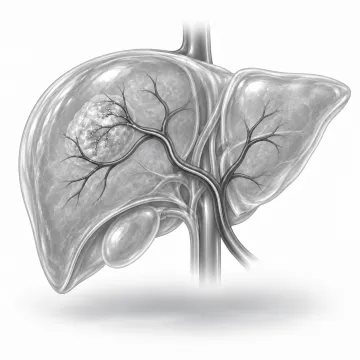
Y-90 radioembolization
Tiny radioactive beads treat liver tumors from inside, with two short outpatient visits.
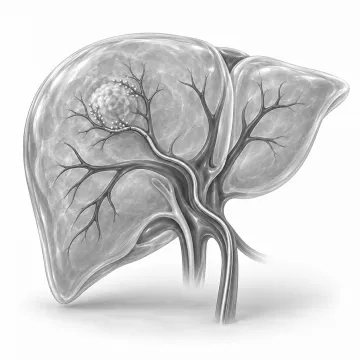
Chemoembolization (TACE)
Concentrated chemotherapy and a blocked blood supply, aimed right at a liver tumor.
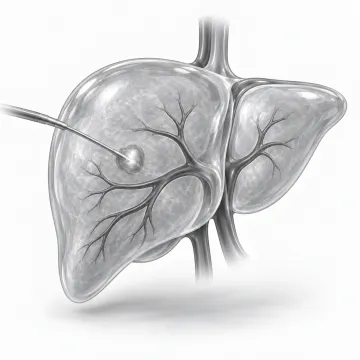
Microwave ablation
Heat small liver, lung or kidney tumors through a needle, often with a same-day or overnight stay.
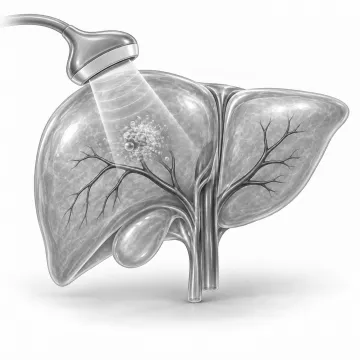
Histotripsy
Focused ultrasound breaks up liver tumors from outside the body. New, and not for everyone.
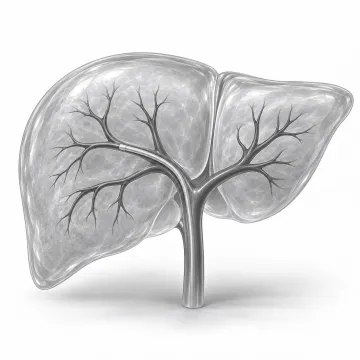
Portal vein embolization
Help the healthy part of your liver grow so that liver cancer surgery is safer or possible.
Written for patients by the Palo Alto Interventional team. General information only; your own plan depends on your health and imaging.
Talk to us about your options
Request a consultation online, or call 650-404-8445, Monday to Friday, 8 am to 5 pm. You can also ask your doctor to send a referral. We will review your imaging and help you decide whether a procedure makes sense.