
Bleeding varicose vein: what to do
Stop a bleeding vein: lie down, raise, press.
A varicose vein that bursts can bleed fast, but it almost always stops with the right first aid. Lie down, raise the leg above your heart and press firmly for at least 10 minutes.
- Lie down flat
- Leg above the heart
- Press 10+ minutes
- Call 911 if heavy
 Fabio Komlos, MDInterventional radiologist
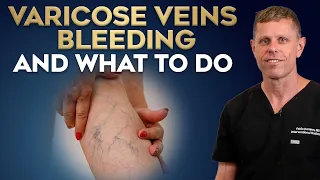 Watch the video explanation2:18 video · Can Varicose Veins Bleed? Yes—and Here’s What to Do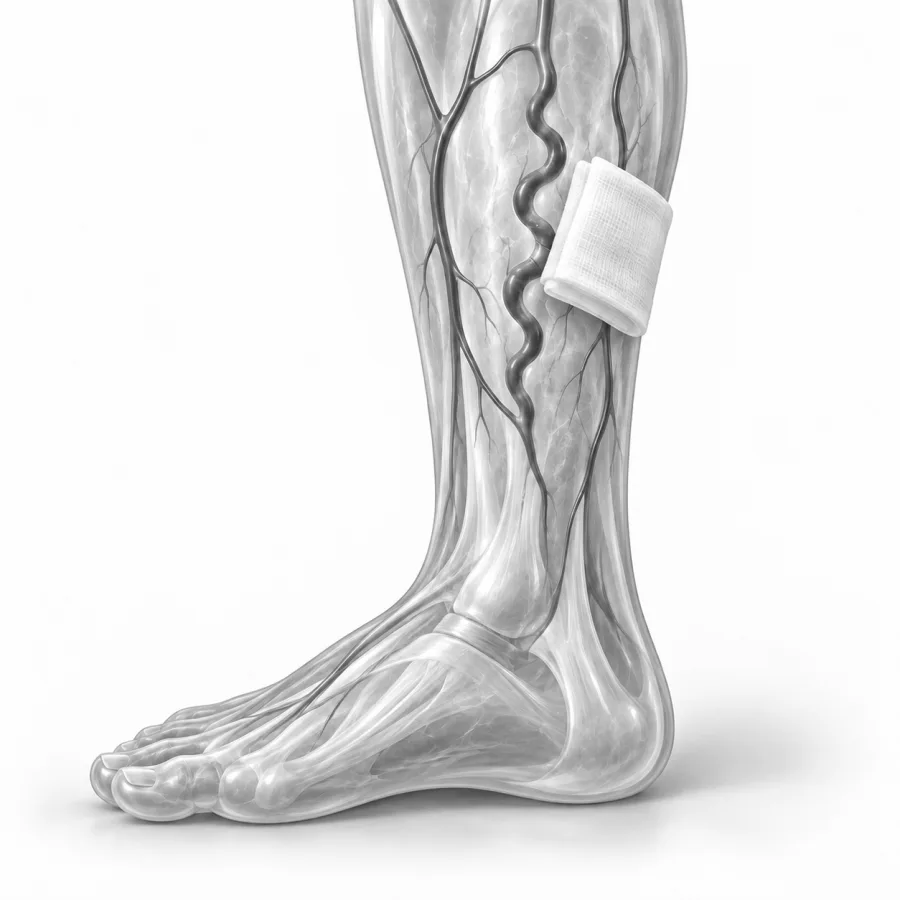
Firm, steady pressure and a raised leg stop most vein bleeds.
Can Varicose Veins Bleed? Yes—and Here’s What to Do
Dr. Fabio Komlos walks through bleeding varicose vein: what to do the way he explains it in clinic, using the same images he uses to plan treatment.
Fabio Komlos, MDInterventional radiologist · 2:18Are Varicose Veins Dangerous?
2:56
Quick answers
Under a minute eachWhat to do right now
- 1Lie down. Get flat on the floor or a bed right away. Do not keep standing or try to walk to the bathroom.
- 2Raise the leg. Prop the bleeding leg up above the level of your heart, on a chair, pillows or against a wall. This drops the pressure in the vein within seconds.
- 3Press hard on the spot. Use a clean cloth, towel, gauze or your hand. Press firmly and directly on the bleeding point with your fingers or palm.
- 4Hold for at least 10 minutes. Time it by the clock. Do not lift to check. If blood soaks through, add more cloth on top and keep pressing.
- 5Wrap it. When the bleeding stops, keep the leg raised and wrap the area snugly with a bandage or elastic wrap. Rest with the leg up for the next few hours.
What not to do
- Do not stand up or walk around while it is bleeding. Standing raises the pressure in leg veins sharply.
- Do not keep lifting the cloth to look. Each peek can restart the bleeding.
- Do not sit on the edge of the tub with your leg hanging down.
- Do not put ice, powders or home remedies into the wound.
- Do not drive yourself to the hospital if you feel lightheaded.
- A tourniquet is almost never needed for a vein bleed. Use one only if a 911 dispatcher tells you to, or if bleeding is life-threatening and direct pressure has failed.
Why varicose veins bleed
Varicose veins are veins stretched by blood pooling backward through leaky valves. Near the ankle, the pressure inside them can be high when you stand, and the skin over them can become thin, shiny and fragile. A small scratch, a bump, shaving or even nothing at all can open the vein.
Because the vein is under pressure, blood can come out fast and look alarming. Bleeds often happen in the shower or right after, when warm water widens the veins and you are standing. The good news is that vein pressure falls to almost nothing when you lie down and raise the leg, which is why the first aid works so well.
Who is at higher risk of a serious bleed
- Older adults, especially those who live alone
- People taking blood thinners or aspirin
- People with thin, shiny, dark or scaly skin over a vein near the ankle
- People who have had a vein bleed before
- A small blue bleb or blister over a vein that looks like it could pop
After the bleeding stops
Keep the bandage on and the leg raised for the rest of the day. Avoid hot showers and long periods of standing for a few days. Watch for redness, warmth, pus or fever above 101°F, which could mean infection.
A vein that has bled once is likely to bleed again, sometimes within days. It needs to be looked at even though it has stopped. Please get a vein assessment within a day or two. Go to an urgent care or emergency department the same day if the wound keeps oozing or you are on a blood thinner.
- First hoursLeg raised, snug wrap in place, rest. Keep a clean cloth nearby in case it restarts.
- Within 1–2 daysVein assessment with a duplex ultrasound to find the leaky vein feeding the bleeding point.
- Soon afterTreatment to close the vein, often with an injection of a medicine that seals it from inside, guided by ultrasound.
- Long termCompression stockings and care of fragile skin to lower the chance of another bleed.
How we treat a vein that has bled
The goal is to close the vein that bled and the leaky vein upstream that keeps it under pressure. We use a duplex ultrasound to map the veins. Then the bleeding vein can usually be sealed with sclerotherapy, an injection of a medicine called a sclerosant that makes the vein scar shut. Sometimes the main leaky vein is also closed with heat from inside, called ablation.
These treatments are done through a needle, with numbing medicine. Most people walk out afterward and go back to normal activity within a day or two. Closing the vein greatly lowers the risk that it will bleed again.
When someone tells me their vein bled, I treat it as a warning, not a one-time accident. I look for the thin, bluish spot on the skin where it happened and then trace the leak back with ultrasound. I tell patients and their families the same three words: lie down, raise, press. I have seen them work every time they are done right.Fabio Komlos, MD, interventional radiologist · About Dr. Fabio Komlos
Preventing another bleed
- Get the vein treated. This is the most reliable prevention.
- Wear compression stockings during the day, as advised.
- Moisturize dry skin over the veins and avoid scratching.
- Take shorter, cooler showers, and sit on a shower chair if you need to.
- Protect your shins and ankles from bumps. Be careful when shaving your legs.
- Tell family members or caregivers what to do. Keep gauze and an elastic wrap handy.
- If you live alone, keep a phone within reach when you bathe.
This page is general first-aid information. It does not replace advice from a 911 dispatcher, emergency staff or your own doctor.
Common questions
Can a varicose vein bleed to death?
How long should I press?
Do I still need to see a doctor if the bleeding stopped?
I take a blood thinner. Should I stop it?
Should I go to the emergency room?
Why did it bleed in the shower?
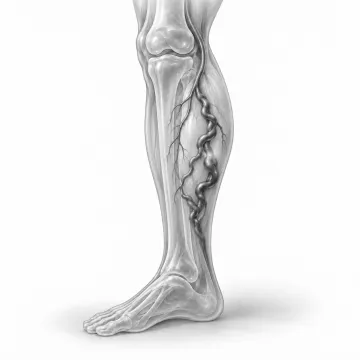
Varicose veins
Why leg veins bulge and ache, and how to treat them without major surgery.
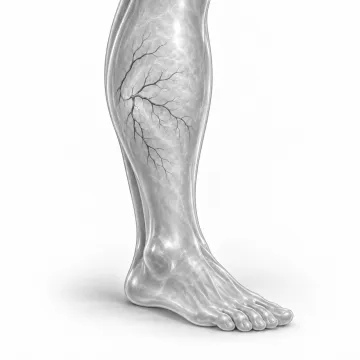
Spider veins
What spider veins are and how sclerotherapy fades them, session by session.
Blood thinners and your procedure
Which blood thinners may be paused before a procedure, typical hold times, and how bridging works.
DVT (deep vein blood clots)
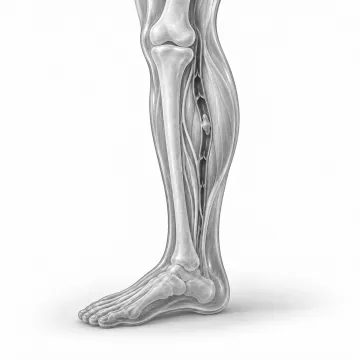
Blood clots in the leg or arm: signs, blood thinners, clot removal and long-term care.
Written for patients by the Palo Alto Interventional team. General information only; your own plan depends on your health and imaging.
Talk to us about your options
Request a consultation online, or call 650-404-8445, Monday to Friday, 8 am to 5 pm. You can also ask your doctor to send a referral. We will review your imaging and help you decide whether a procedure makes sense.