
Medical liver biopsy
Know how healthy your liver really is.
A medical liver biopsy takes a thin sample of liver tissue to measure inflammation, fat and scarring. It is done through a needle in the side or through a vein in the neck, and most people go home the same day.
- Outpatient
- 30–60 minutes
- Moderate sedation
- Home in 2–4 hours
 Fabio Komlos, MDInterventional radiologist
 Watch the video explanation12:30 video · How do you know if you have cancer or not?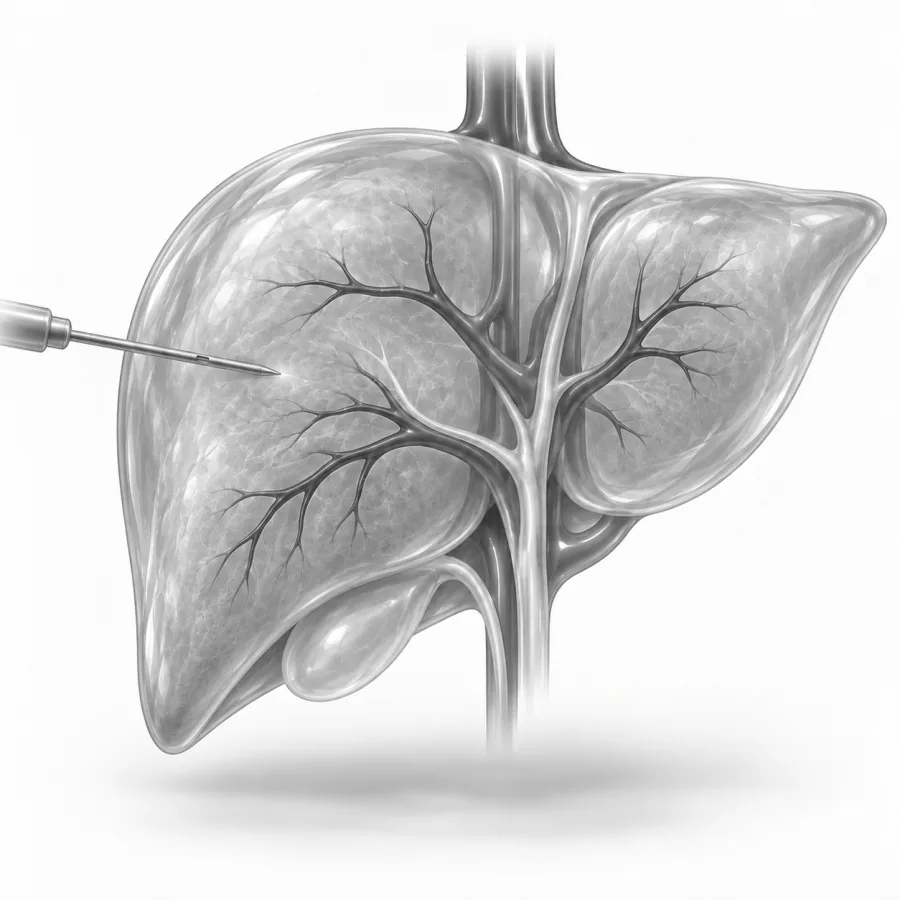
 On imaging
Ultrasound of the liver, used to guide the needle in real time with no radiation.
How do you know if you have cancer or not?
Dr. Fabio Komlos walks through medical liver biopsy the way he explains it in clinic, using the same images he uses to plan treatment.
Fabio Komlos, MDInterventional radiologist · 12:30Transjugular Intrahepatic Portosystemic Shunt
14:50
If you are having a procedure and you are on blood thinners you need to watch this
10:17
What is a medical liver biopsy?
A medical liver biopsy takes a small, thin piece of liver, usually about 2 cm long and 1 mm wide. Unlike a targeted liver biopsy, which aims at one spot, this biopsy samples ordinary liver tissue to see how the whole organ is doing.
Under the microscope, a pathologist can see how much fat is in the liver, how much inflammation there is and how much scarring has built up. Scarring is called fibrosis, and advanced scarring is called cirrhosis. The pathologist gives it a stage, usually from 0 (none) to 4 (cirrhosis).
What we seeWhy your doctor may want one
Liver specialists (hepatologists) order this biopsy when blood tests and scans leave questions open. Common reasons include:
- Fatty liver disease, now called metabolic dysfunction-associated steatotic liver disease (MASLD), to see if there is inflammation or scarring
- Abnormal liver blood tests (such as ALT, AST, alkaline phosphatase or bilirubin) without a clear cause
- Viral hepatitis B or C, or autoimmune hepatitis, to guide treatment
- Liver damage from medicines, alcohol or iron or copper build-up
- Checking a liver transplant for rejection
- Entering a clinical trial that requires a biopsy
Today, many people can avoid a biopsy. Blood-based scores (such as FIB-4) and scans that measure liver stiffness, like FibroScan (transient elastography) or MR elastography, can estimate scarring without a needle. A biopsy is still the most complete test when those results are unclear, disagree with each other or when more than one liver disease is possible.
Through the side or through the neck
There are two ways to reach the liver. We choose based on your blood clotting, platelet count, whether there is fluid in your belly (ascites) and what your liver doctor needs to know.
| Percutaneous (through the side) | Transjugular (through the neck) | |
|---|---|---|
| How | Needle through the skin between the lower right ribs, guided by ultrasound | Thin tube through a neck vein down to the liver veins, guided by X-ray |
| Best for | Most people with normal clotting | Low platelets, clotting problems, ascites, or very large body size |
| Extra information | Tissue only | Tissue plus pressure in the liver veins, a measure of portal hypertension |
| Time | About 30 minutes | About 45 to 60 minutes |
| Bleeding risk | Low | Lower, because any bleeding drains back into the vein |
Before a medical liver biopsy, I talk with your liver doctor about the exact question. If they also want to know the pressure in your liver, or your platelets are low, I usually recommend the neck approach. Either way, my aim is to get enough tissue on the first try, because a small sample can underestimate scarring.Fabio Komlos, MD, interventional radiologist · About Dr. Fabio Komlos
How to prepare
- 1Tell us about all blood thinners and supplements. Most need a short pause before a liver biopsy. See blood thinners.
- 2Have your blood count and clotting tests done if we ask.
- 3Do not eat for 8 hours before. Take your usual medicines with a small sip of water.
- 4Arrange an adult to drive you home after sedation.
- 5If you have diabetes, ask us how to adjust insulin or diabetes pills while fasting.
Our general checklist is in before your procedure.
What happens during the biopsy
- 1Getting ready
At El Camino Hospital, a nurse starts an IV, connects monitors and gives moderate (twilight) sedation. For the side approach you lie on your back with your right arm over your head. For the neck approach your head turns gently to the left.
- 2Numbing and access
We use ultrasound to find a safe spot, then numb the skin. For the neck approach, a thin tube is guided through the jugular vein in the neck down to a liver vein, using X-ray and a little contrast dye.
- 3Taking the samples
We take 2 or 3 thin cores of liver. For the side approach you hold your breath for a few seconds each time. You may feel pressure or a brief ache in the right shoulder.
- 4Finishing up
We remove the needle or tube and close the skin with glue. For the neck approach, we may measure liver vein pressures first.
Recovery and results
- First 2–4 hoursRest in recovery while nurses check your blood pressure and the site. You can eat and drink.
- Rest of the dayTake it easy at home. No driving or alcohol after sedation. You can shower tonight.
- Days 1–3Mild ache under the right ribs, in the right shoulder or in the neck is common. Most people are back at work the next day.
- First weekNo heavy lifting, hard exercise, baths or swimming.
Liver tissue needs special stains, such as ones for scarring and iron, so results often take 3 to 7 days. They go to your liver doctor, who will explain your stage and what it means for treatment. Many liver conditions, including fatty liver, can improve with weight loss, treatment of hepatitis or stopping alcohol.
Use acetaminophen (Tylenol), no more than 2,000 mg a day if you have liver disease, unless your doctor gives a different limit. Avoid ibuprofen and naproxen for a few days.
Risks
Most people have only mild soreness. Pain needing extra medicine occurs in a minority of people and usually settles within a day. Serious bleeding is uncommon, roughly 1 in 200 to 1 in 100 people, and may need a transfusion or a procedure to seal the bleeding vessel. Rare risks include injury to the gallbladder, lung or bowel, infection and, for the neck approach, an irregular heartbeat while the tube passes through the heart, which stops when the tube moves on.
Sometimes the sample is too small for a confident stage, and a repeat biopsy is suggested.
Common questions
Can a FibroScan replace my biopsy?
Does it hurt?
Why go through the neck to reach the liver?
How much liver is taken?
When can I exercise?
Will insurance cover it?
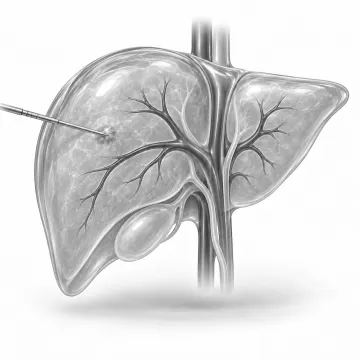
Liver biopsy
Find out what a spot in the liver is with a needle biopsy guided by ultrasound or CT.
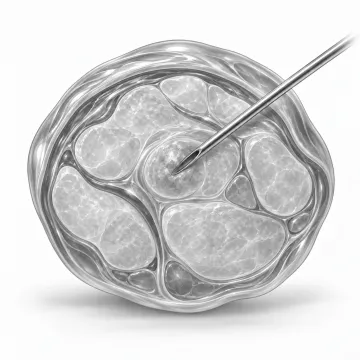
Image-guided biopsies
Get a tissue diagnosis through a needle, guided by ultrasound or CT, usually without an incision.
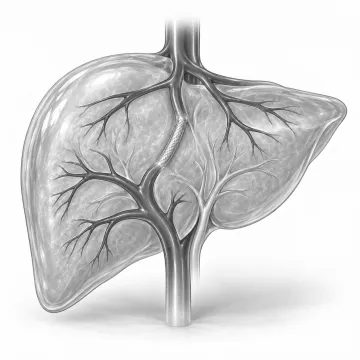
TIPS (transjugular intrahepatic portosystemic shunt)
A stent inside the liver, placed through the neck, that lowers pressure from cirrhosis.
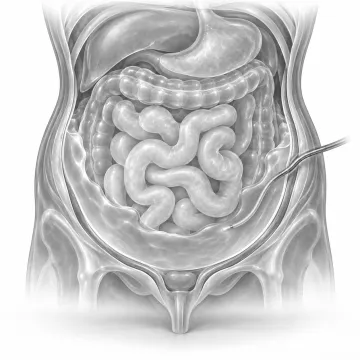
Paracentesis
Drain fluid from the belly through a thin tube, with numbing medicine and quick relief.
Written for patients by the Palo Alto Interventional team. General information only; your own plan depends on your health and imaging.
Talk to us about your options
Request a consultation online, or call 650-404-8445, Monday to Friday, 8 am to 5 pm. You can also ask your doctor to send a referral. We will review your imaging and help you decide whether a procedure makes sense.