
Embolization
Treat the problem through its blood supply.
Embolization blocks selected blood vessels from the inside, through a pinhole in the wrist or thigh. It can stop bleeding, shrink growths and calm pain, usually without surgery and often with a same-day return home.
- Usually outpatient
- 1–2 hours
- Moderate sedation
- Pinhole access
 Fabio Komlos, MDInterventional radiologist
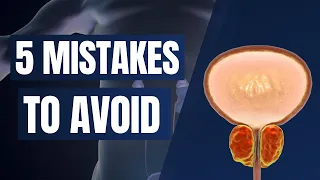 Watch the video explanation5:32 video · After Embolization? Don't Make These 5 Mistakes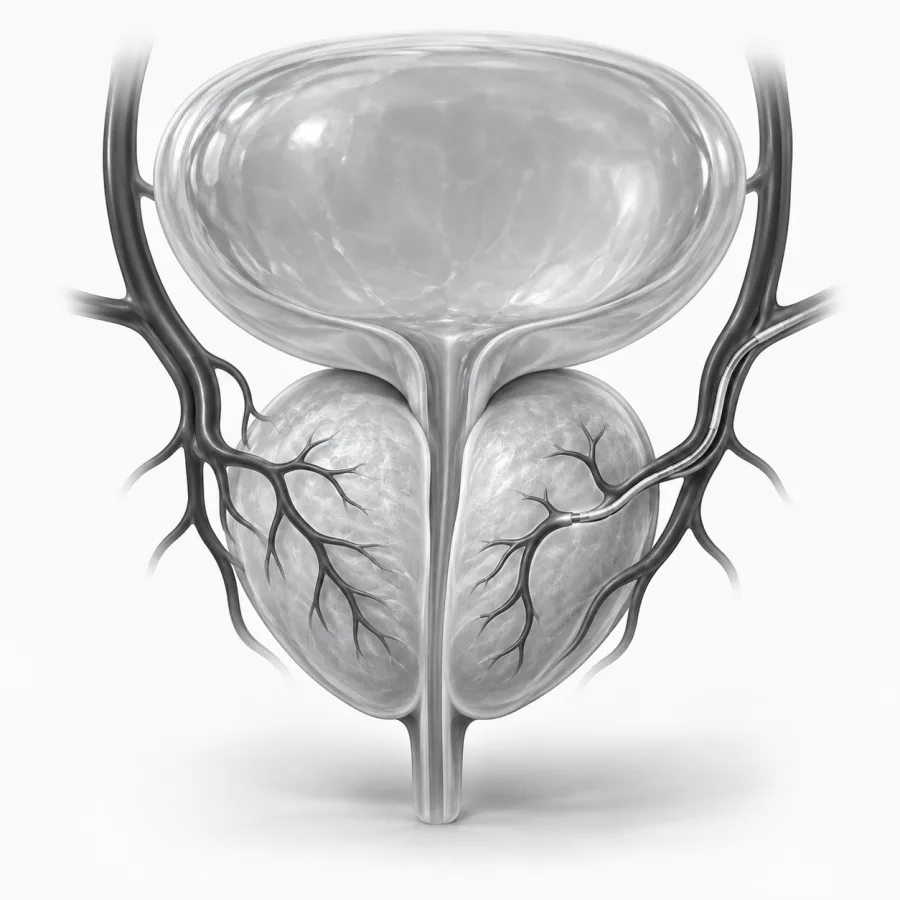
 On imaging
Angiogram during an embolization: the catheter tip sits in the target vessel before it is closed.
After Embolization? Don't Make These 5 Mistakes
Dr. Fabio Komlos walks through embolization the way he explains it in clinic, using the same images he uses to plan treatment.
Fabio Komlos, MDInterventional radiologist · 5:32Brain Bleeds to Fibroids: Same Results, Tiny Incision
2:25
Welcome to Vascular and Interventional Radiology
3:26
Quick answers
Under a minute eachWhat is embolization?
Every organ, tumor and growth in the body is fed by blood vessels. Embolization means blocking selected vessels on purpose. An interventional radiologist, a doctor who uses X-ray and ultrasound to guide thin tubes through the body, enters an artery or vein through a pinhole, usually in the wrist or upper thigh, and steers a catheter to the exact vessel that needs treatment.
Depending on the problem, the doctor then places tiny particles or beads, small metal coils, plugs, or a medical glue. These slow or stop the blood flow to the target, while the surrounding healthy tissue keeps its supply from other vessels.
I like to explain embolization as fixing a problem through its supply line. Before every case I study the imaging to understand exactly which vessels feed the target and which feed the healthy tissue next to it. The skill is not only in blocking the right branch, but in leaving everything else alone.Fabio Komlos, MD, interventional radiologist · About Dr. Fabio Komlos
What embolization can treat
Enlarged or overgrown tissue
- Enlarged prostate causing urinary symptoms
- Uterine fibroids causing heavy bleeding or pressure
Pain from inflamed joints
- Knee arthritis pain
- Hip pain and frozen shoulder, which are newer uses
Tumors and liver surgery
- Chemoembolization and Y-90 radioembolization for liver tumors
- Portal vein embolization to grow the healthy liver before surgery
Abnormal veins and vessels
What the day looks like
- 1Arrival and preparation
You check in at the hospital, change into a gown, and a nurse places an IV. Most embolizations are done under moderate sedation, so you are relaxed and drowsy but breathing on your own.
- 2A pinhole and a map
The skin over an artery or vein is numbed and a thin tube is placed with ultrasound. Contrast dye and X-ray create a map of the vessels, called an angiogram.
- 3Embolization
A microcatheter reaches the target vessel and the embolic material is placed while the doctor watches on the screen. Most procedures take 1 to 2 hours.
- 4Recovery and home
The puncture is closed without stitches. You rest for a few hours, eat and drink, and most people go home the same day. Some stay one night.
Plan for an adult to drive you home, and read before your procedure, sedation and blood thinners to get ready.
Post-embolization syndrome
When tissue loses its blood supply, the body reacts with inflammation. This causes a short, flu-like illness called post-embolization syndrome. It is a normal response, not an infection, and it is often a sign the treatment is working.
- Pain or cramping in the treated area
- Low fever, usually under 101°F
- Nausea and poor appetite
- Tiredness
Symptoms usually peak in the first 1 to 3 days and fade within about a week. How strong they are depends on the organ and how much tissue was treated. We send you home with medicines for pain and nausea.
Five common mistakes after embolization
- 1Letting the pain get ahead of you. Take pain medicine on schedule for the first few days, as prescribed, rather than waiting until the pain is strong.
- 2Overdoing it too soon. Heavy lifting and hard exercise in the first days can make the puncture site bleed. Follow the limits we give you, then build up gradually.
- 3Not drinking enough or ignoring constipation. Fluids help your kidneys clear the contrast dye, and prescription pain medicines cause constipation. Drink water and use a stool softener if needed.
- 4Confusing normal recovery with a problem, or the reverse. A low fever and aches in the first days are expected. A high fever, worsening pain, or a fever that starts late needs a call.
- 5Expecting instant results or skipping follow-up. Many embolizations work over weeks to months. Keep your follow-up visits and scans so we can check the result, and do not stop long-term medicines suddenly.
Your procedure page and discharge sheet have instructions specific to your treatment. When they differ from this general advice, follow them. See also after your procedure.
Common questions
Is embolization surgery?
Is the blockage permanent?
Does embolization hurt?
Will the treated area be damaged?
How soon can I go back to normal?
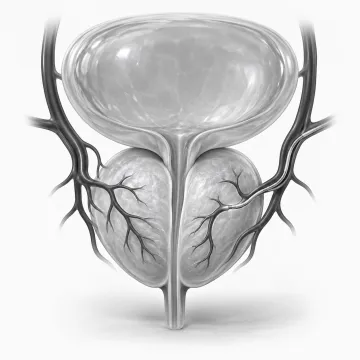
Prostate artery embolization
Shrink an enlarged prostate through a pinhole, without surgery or a hospital stay.
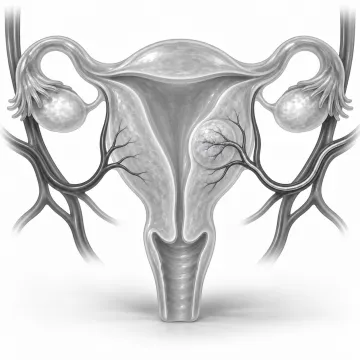
Uterine fibroid embolization
Shrink fibroids through a pinhole, without removing the uterus or a large incision.
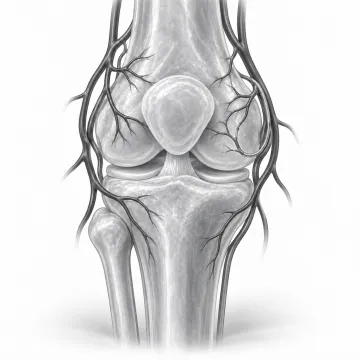
Genicular artery embolization
Calm knee arthritis pain by treating inflamed vessels, through a pinhole and without surgery.
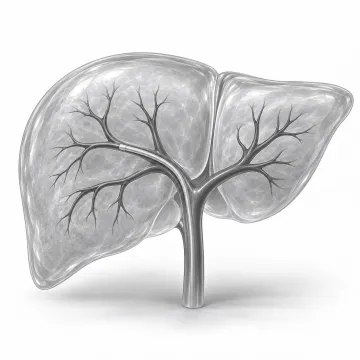
Portal vein embolization
Help the healthy part of your liver grow so that liver cancer surgery is safer or possible.
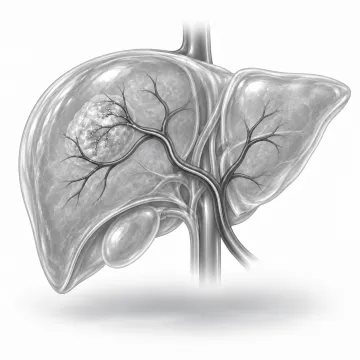
Y-90 radioembolization
Tiny radioactive beads treat liver tumors from inside, with two short outpatient visits.
Written for patients by the Palo Alto Interventional team. General information only; your own plan depends on your health and imaging.
Talk to us about your options
Request a consultation online, or call 650-404-8445, Monday to Friday, 8 am to 5 pm. You can also ask your doctor to send a referral. We will review your imaging and help you decide whether a procedure makes sense.