
Palliative cancer care
Feel better during cancer treatment, and after.
Cancer can cause fluid build-up, pain, blocked ducts and trouble eating. Small image-guided procedures can relieve many of these problems, usually through a needle or thin tube, often in an hour or less and without an overnight stay.
- Symptom relief
- Any stage of cancer
- Mostly outpatient
- Numbing or sedation
 Fabio Komlos, MDInterventional radiologist
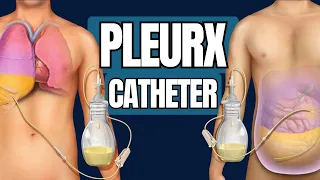 Watch the video explanation8:23 video · PleurX Catheter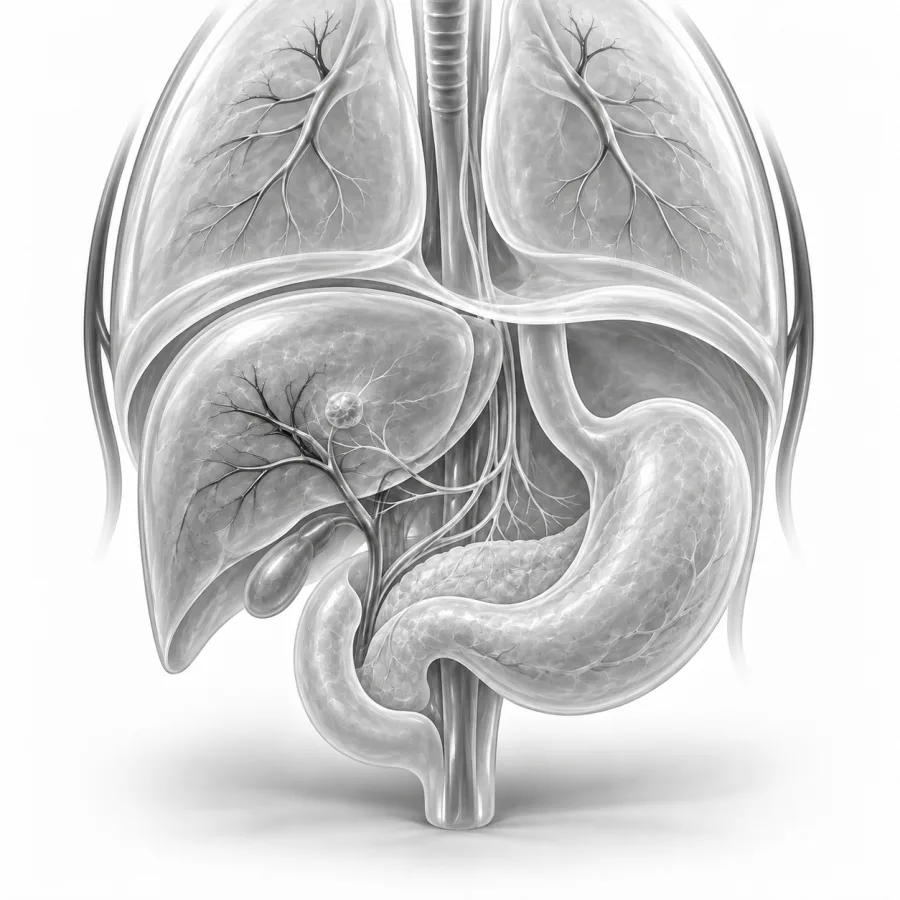
Relief can go alongside cancer treatment, not only after it.
PleurX Catheter
Dr. Fabio Komlos walks through palliative cancer care the way he explains it in clinic, using the same images he uses to plan treatment.
Fabio Komlos, MDInterventional radiologist · 8:23Removing Ascites Fluid: Paracentesis Explained
10:32
Thoracentesis Procedure: Everything You Need to Know
12:23
What you need to know about Intrathecal Pain Pump
11:04
Quick answers
Under a minute eachWhat palliative care means
Palliative care means care aimed at comfort and quality of life. It is not the same as hospice, and it does not mean giving up on treating the cancer. Many people receive palliative procedures while they are still having chemotherapy, immunotherapy or radiation, so they can feel well enough to keep going.
Interventional radiologists use ultrasound, X-ray and CT to guide needles and thin tubes to exactly where a problem is. That lets us drain fluid, open blockages and treat pain without surgery. Most of these procedures take under an hour, and many people go home the same day.
Problems we can help with
| What you may feel | What can help | |
|---|---|---|
| Fluid around the lung | Shortness of breath, cough | Drain it with thoracentesis; if it keeps coming back, pleurodesis or a home drain |
| Fluid in the belly | Swelling, tightness, poor appetite | Drain it with paracentesis, or place a home drain |
| Cancer pain | Pain not controlled by medicines, or medicine side effects | Nerve blocks, spine or bone procedures, pain pumps |
| Blocked kidney drainage | Back pain, infection, kidney problems | A kidney drain or internal stent |
| Blocked bile ducts | Yellow skin, itching, dark urine | A bile drain or internal stent |
| Trouble eating or swallowing | Weight loss, weakness | A feeding tube placed through the skin |
Where to learn more
Each of these procedures has its own page with details on preparation, what happens, recovery and risks.
- Thoracentesis drains fluid from around the lung. For fluid that returns quickly, see pleurodesis and the PleurX catheter.
- Paracentesis drains fluid from the belly. An abdominal PleurX lets you drain at home.
- Cancer pain treatment covers nerve blocks, kyphoplasty for spine fractures, tumor ablation and pain pumps.
- Nephrostomies and ureteral stents drain blocked kidneys.
- Biliary drains relieve blocked bile ducts.
- Feeding tubes provide nutrition when eating is hard.
- Ports make chemotherapy and blood draws easier on your veins.
How we decide together
There is rarely one right answer. A home drain may mean fewer hospital visits but needs regular care. A nerve block may lower your need for opioid pain medicines, but it is not permanent. We weigh how you feel now, your goals, your other treatments, and how much time you want to spend in clinics and hospitals.
When I see someone for a palliative procedure, my first question is what is bothering you most, because that decides everything else. Then I look at the scans to find the simplest procedure that will fix that problem and last. I would rather do one well-planned procedure than several small ones, so you can spend your time at home and not in hospitals.Fabio Komlos, MD, interventional radiologist · About Dr. Fabio Komlos
What to expect
Most of these procedures use numbing medicine, with or without light sedation. You will get instructions about eating, drinking and blood thinners beforehand. See before your procedure. If a tube or drain stays in, we teach you and your family how to care for it, and we are there for questions and changes. See how do I manage my drain.
Explore in detail
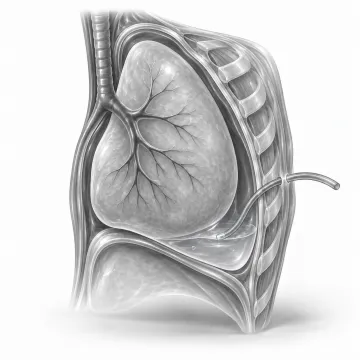
Thoracentesis
Drain fluid around the lung through a thin tube between the ribs, often with relief the same day.
Learn more →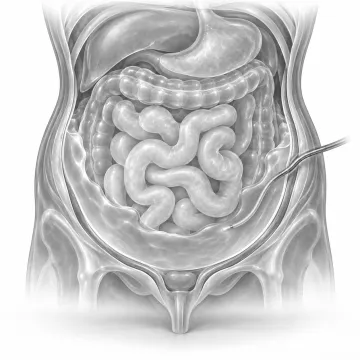
Paracentesis
Drain fluid from the belly through a thin tube, with numbing medicine and quick relief.
Learn more →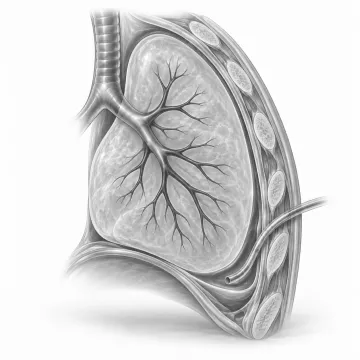
Pleurodesis
Lasting relief for fluid that keeps returning around the lung: talc pleurodesis or a home drain.
Learn more →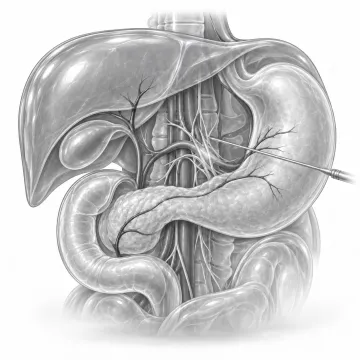
Cancer pain treatment
Nerve blocks, spine and bone procedures, and pain pumps for cancer pain medicines cannot control.
Learn more →Common questions
Does palliative care mean I am dying?
Will a procedure interrupt my chemotherapy?
Do I have to stay in the hospital?
Who takes care of a drain at home?
Will insurance cover these procedures?
Thoracentesis
Drain fluid around the lung through a thin tube between the ribs, often with relief the same day.
Paracentesis
Drain fluid from the belly through a thin tube, with numbing medicine and quick relief.
Pleurodesis
Lasting relief for fluid that keeps returning around the lung: talc pleurodesis or a home drain.
Cancer pain treatment
Nerve blocks, spine and bone procedures, and pain pumps for cancer pain medicines cannot control.
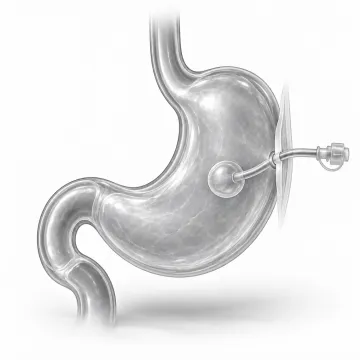
Feeding tubes
G, GJ and J tubes explained: why you might need one and how we place them.
Written for patients by the Palo Alto Interventional team. General information only; your own plan depends on your health and imaging.
Talk to us about your options
Request a consultation online, or call 650-404-8445, Monday to Friday, 8 am to 5 pm. You can also ask your doctor to send a referral. We will review your imaging and help you decide whether a procedure makes sense.