
Abdominal PleurX catheter
Relieve belly swelling at home, not in the hospital.
A tunneled abdominal drain, often called an abdominal PleurX or PeritX, lets you remove ascites fluid at home when it builds up. Placement takes about 15 to 30 minutes, and most people go home the same day.
- Outpatient
- 15–30 minutes
- Moderate sedation
- Home the same day
 Fabio Komlos, MDInterventional radiologist
 Watch the video explanation8:23 video · PleurX Catheter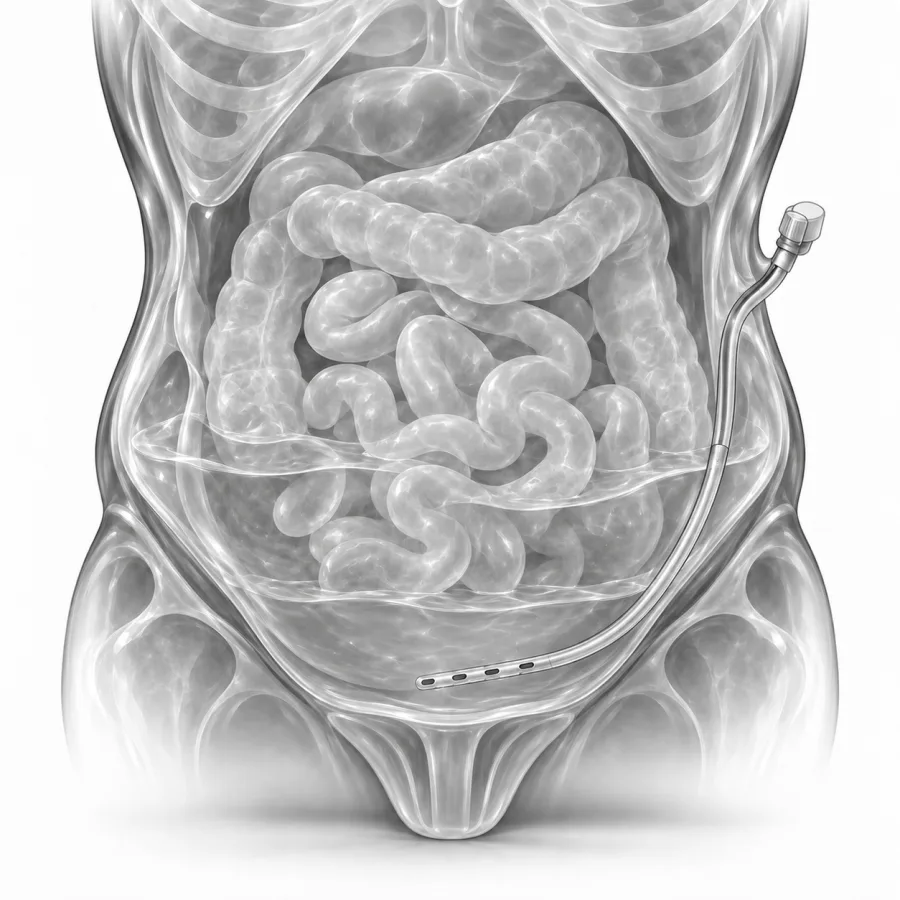
Drain a little at home, before the swelling gets bad.
PleurX Catheter
Dr. Fabio Komlos walks through abdominal pleurx catheter the way he explains it in clinic, using the same images he uses to plan treatment.
Fabio Komlos, MDInterventional radiologist · 8:23Removing Ascites Fluid: Paracentesis Explained
10:32
Transjugular Intrahepatic Portosystemic Shunt
14:50
What problem does it treat?
Ascites is fluid that collects inside the belly, in the space around the intestines and liver called the peritoneal cavity. A lot of fluid can make your belly swollen and tight. It can cause pain, early fullness when eating, constipation, trouble breathing when lying flat or walking, and swelling in the legs.
The usual treatment is paracentesis, where fluid is drained with a thin needle. It is quick and safe, but if the fluid returns within days, you may need it every week or more. A tunneled abdominal drain is a soft tube that stays in place, so you can drain small amounts at home as often as you need.
You may hear it called an abdominal PleurX catheter. The same company now also makes a version designed for the belly, called PeritX. They work the same way. On this page we call it a tunneled abdominal drain.
On ultrasound, ascites looks like black fluid surrounding gray loops of bowel. We look for a deep pocket, usually in the lower belly, with no bowel directly under the skin.
Who it helps, and who it may not
The most common reason is ascites caused by cancer, called malignant ascites, for example from ovarian, pancreatic, stomach, colon or breast cancer. Some people with liver cirrhosis or heart failure whose fluid no longer responds to other treatment may also benefit, especially when the focus is comfort.
Often a good choice if
- You need paracentesis every 1 to 2 weeks or more often
- Your symptoms improve after the fluid is drained
- Trips to the hospital are tiring or hard to arrange
- You or someone at home can learn to drain the fluid
May not be right if
- You have an infection in the fluid or the skin
- The fluid is split into many small pockets
- You have a bleeding problem that cannot be corrected
- You have cirrhosis and may be a candidate for a liver transplant or a TIPS; the tube can raise infection risk
- Diuretic pills or salt limits still control your fluid
How it compares with the alternatives
| Repeated paracentesis | Tunneled abdominal drain | TIPS (cirrhosis only) | |
|---|---|---|---|
| What it is | Needle drainage each visit | Long-term tube, drained at home | A shunt inside the liver that lowers pressure |
| Where | Hospital or clinic | At home | Hospital procedure |
| How much at a time | Often several liters | Smaller amounts, more often | Fluid often stops building up |
| Main downside | Frequent visits | Tube care, infection risk | Confusion (encephalopathy) in some people |
| Best for | Fluid that returns slowly | Fluid that returns quickly | Selected people with cirrhosis |
Diuretics (water pills) and eating less salt help many people with cirrhosis, but they work less well for cancer-related ascites. For people with cirrhosis, a TIPS may control fluid better than a drain. We talk through all of these options with you and your other doctors.
How to prepare
- Tell us about any blood thinners. Some need to be paused. See blood thinners. Do not stop any medicine without talking with the doctor who prescribed it.
- Do not eat for 6 hours before. You can usually drink clear liquids until 2 hours before, unless we tell you otherwise.
- You may need a blood test to check clotting, blood counts and kidney function.
- Bring an adult to drive you home and, if possible, to learn the drainage with you.
- Read before your procedure and sedation.
What happens, step by step
The procedure is done at El Camino Hospital in the interventional radiology suite. A nurse, a technologist and your interventional radiologist are with you, and your heart rate, blood pressure and oxygen are watched throughout.
- 1Getting comfortable
You lie on your back. Moderate sedation through your IV helps you relax while you stay awake.
- 2Numbing and planning
We use ultrasound to find a safe pocket of fluid, usually on the lower side of the belly. The skin is cleaned and numbed.
- 3Placing the drain
A thin needle enters the fluid, and a guidewire goes through it. A second small opening is made a few inches away, and the tube is passed under the skin to form a short tunnel. It then slides over the wire into the belly.
- 4First drainage
The drain is connected to a vacuum bottle and fluid is removed. Your blood pressure is watched while it drains.
- 5Closing up
The first opening is closed with a stitch or glue. The tube is secured and covered with a waterproof dressing.
Recovery and home drainage
You recover for 30 to 60 minutes, and you can eat and drink right away. Before you leave, a nurse teaches you and a family member how to drain. You go home with a kit of bottles or bags and written instructions. More supplies are shipped to your home. If you need more, call us at 650-404-8445.
- Day of procedureTake it easy. No driving, alcohol or important decisions if you had sedation. Soreness is normal; acetaminophen usually helps.
- Next dayBack to light activity and driving if you feel well. You may shower with the site covered by a waterproof dressing.
- First weekNo heavy lifting, contact sports or strenuous activity. Drain as we instruct.
- 7 to 10 daysSkin stitches are usually removed in clinic or by a home nurse.
- After 2 weeksThe tunnel has healed. The site can get wet in the shower; pat it dry and put on a new dressing.
Drainage tips
- Drain when you start to feel full or tight, often every 1 to 3 days. We set a schedule with you.
- Do not remove more than about 2 liters at a time unless we tell you otherwise. Removing a lot at once can make you lightheaded.
- If you feel dizzy, crampy or unwell, stop the drainage for that session.
- Write down the date and amount each time.
- Pour the fluid into the toilet and flush twice. Put empty bottles or bags in the household trash.
With ascites, I pay close attention to what matters most to the person in front of me. For many, it is simply being able to eat a meal and sleep lying down without coming to the hospital every week. On the ultrasound, I look for a deep pocket of fluid away from the bowel and from blood vessels in the abdominal wall, and I place the tube where it will sit comfortably under a waistband.Fabio Komlos, MD, interventional radiologist · About Dr. Fabio Komlos
Risks
- Infection at the skin, along the tunnel or in the fluid (peritonitis). It is uncommon but serious. Signs are fever, belly pain and cloudy fluid. The risk is higher in people with cirrhosis.
- Leaking of fluid around the tube, mostly in the first days.
- Blockage of the tube, which we can often clear or replace.
- Low blood pressure or kidney strain if too much fluid is removed at once.
- Bleeding or injury to the bowel, both rare with ultrasound guidance.
- The tube can be pulled out. The cuff under the skin makes this less likely.
Common questions
Does the procedure hurt?
How much fluid should I drain?
Is the fluid dangerous to handle?
Can I take a bath or swim?
Is it PleurX or PeritX?
Will insurance cover it?
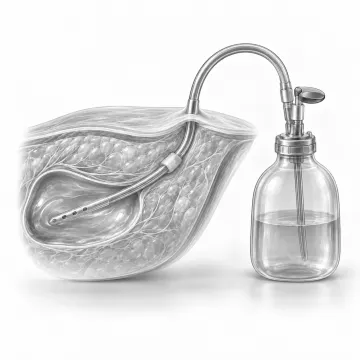
PleurX catheter
A tunneled home drain for fluid that keeps returning in the chest or belly.
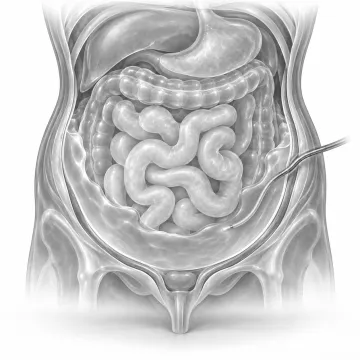
Paracentesis
Drain fluid from the belly through a thin tube, with numbing medicine and quick relief.
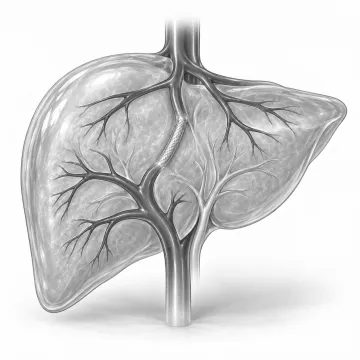
TIPS (transjugular intrahepatic portosystemic shunt)
A stent inside the liver, placed through the neck, that lowers pressure from cirrhosis.
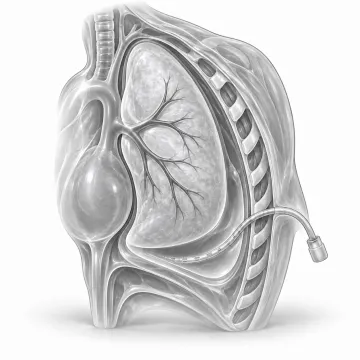
Chest PleurX catheter
A home drain for fluid that keeps building up around the lung.
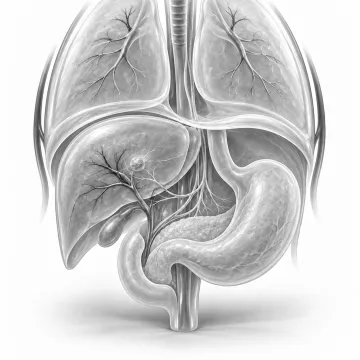
Palliative cancer care
Small procedures that ease fluid build-up, pain, blockages and eating problems caused by cancer.
Written for patients by the Palo Alto Interventional team. General information only; your own plan depends on your health and imaging.
Talk to us about your options
Request a consultation online, or call 650-404-8445, Monday to Friday, 8 am to 5 pm. You can also ask your doctor to send a referral. We will review your imaging and help you decide whether a procedure makes sense.