
Peripheral arterial disease
Walk farther, heal wounds and save your leg.
Peripheral arterial disease (PAD) is a narrowing of the arteries that feed your legs. Walking, medicines and a pinhole procedure to reopen the artery can ease pain and help wounds heal.
- Common after 60
- Often no symptoms
- Leg pain on walking
- Surgery often avoided
 Fabio Komlos, MDInterventional radiologist
 Watch the video explanation6:14 video · Peripheral Artery Disease Explained Symptoms, Risks — Life-Saving Treatments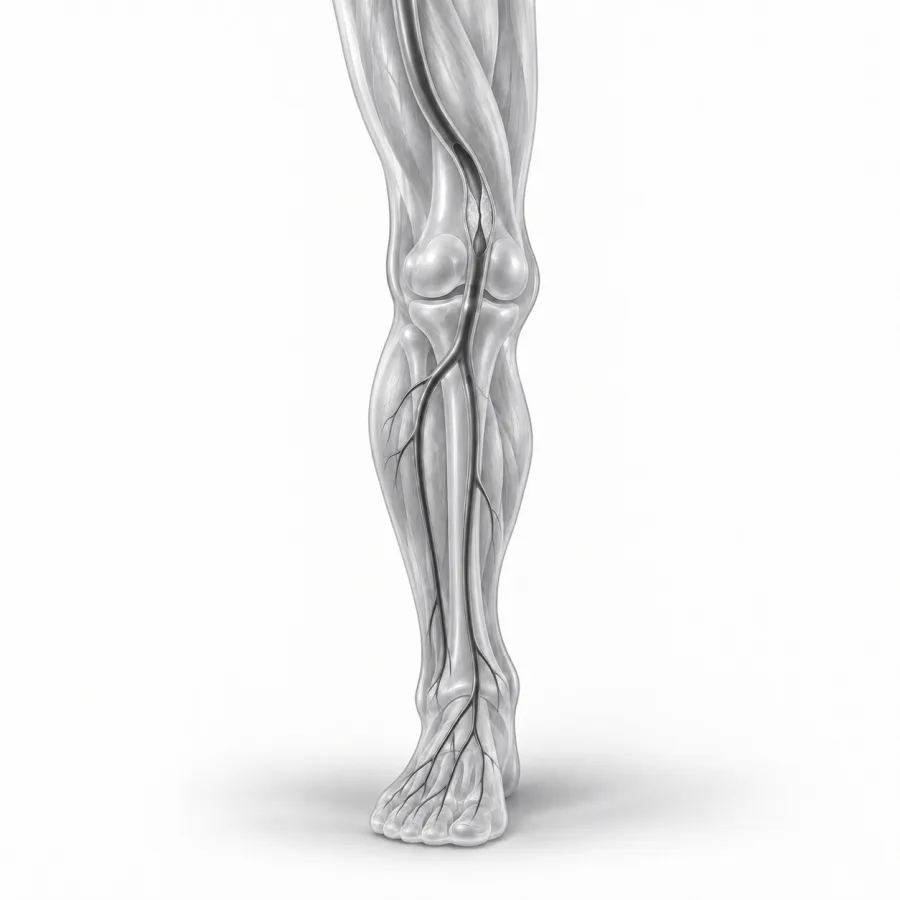
 On imaging
CT angiogram of the aorta and leg arteries, shown dark on light the way we read it.
Peripheral Artery Disease Explained Symptoms, Risks — Life-Saving Treatments
Dr. Fabio Komlos walks through peripheral arterial disease the way he explains it in clinic, using the same images he uses to plan treatment.
Fabio Komlos, MDInterventional radiologist · 6:14Cold Leg (Acute Limb Ischemia) A TRUE Medical Emergency
4:31
Non-Healing Ulcers When Its More Than Just a Skin Problem
3:24
Everything you need to know about angiograms and what to expect after
13:56
Quick answers
Under a minute eachWhat is peripheral arterial disease?
Arteries carry oxygen-rich blood from your heart to the rest of your body. In peripheral arterial disease, fatty, hard deposits called plaque build up on the inside walls of the arteries, most often in the legs. This process is called atherosclerosis, or hardening of the arteries. Think of an old water pipe slowly clogging with scale: less and less water gets through.
When the leg muscles and skin do not get enough blood, they complain. At first this happens only when you ask more of them, like walking uphill. As the narrowing gets worse, the leg can hurt even at rest, and small cuts on the feet may stop healing.
What raises your risk
- Smoking, now or in the past (the strongest risk factor)
- Diabetes
- High blood pressure
- High cholesterol
- Kidney disease, especially if you are on dialysis
- Age over 60, or over 50 with diabetes or smoking
- Heart disease or a past stroke, since the same plaque affects arteries everywhere
PAD is also a warning sign for the rest of your body. People with PAD have a higher chance of heart attack and stroke, so treating PAD is about protecting your heart and brain as well as your legs.
What does it feel like?
Many people with PAD have no symptoms at all, or they think leg pain is just part of getting older. It is not. The most common symptom is claudication: a cramp, ache or tiredness in the calf, thigh or buttock that comes on with walking and goes away within a few minutes of rest.
Signs of PAD
- Calf, thigh or buttock pain when walking that eases when you stop
- A foot that feels colder than the other one
- Shiny, hairless skin on the lower leg or toenails that grow slowly
- Weak or missing pulses in the feet
- Numbness or weakness in the leg
- Erectile dysfunction in men, from narrowed pelvic arteries
The most serious stage is called critical limb ischemia (CLI), now also called chronic limb-threatening ischemia. Ischemia means a lack of blood flow. With CLI you may have burning pain in the foot or toes at night that gets better when you hang your leg over the side of the bed, sores that do not heal after 2 weeks, or skin that turns dark or black (gangrene). CLI puts the leg at risk of amputation and needs prompt treatment.
What we seeWhen to worry
People with diabetes need extra care. Nerve damage from diabetes can hide pain, so a foot wound may be serious even if it does not hurt. Check your feet every day, and have any sore that is not clearly healing within 2 weeks seen by a doctor.
How is PAD diagnosed?
Diagnosis starts with your story and an exam. We ask how far you can walk before the pain starts, look at your feet and skin, and feel for pulses. Then simple, painless tests show how much blood is getting through.
- Ankle-brachial index (ABI): blood pressure cuffs on your arms and ankles are compared. A normal ankle pressure is about the same as the arm. A lower number means narrowing. It takes about 15 minutes.
- Duplex ultrasound: sound waves show where the arteries are narrowed and how fast blood flows through them.
- CT angiography or MR angiography: a scan with contrast dye that maps the arteries from your belly down to your feet, so the treatment can be planned.
- Catheter angiogram: a thin tube placed in an artery gives the most detailed picture. It is usually done at the same time as treatment, so the blockage can be opened right away.
Treatment options
Treatment has two goals: to relieve your symptoms and to lower your risk of heart attack, stroke and amputation. Everyone with PAD benefits from lifestyle changes and medicines. A procedure is added when symptoms limit your life, when there is pain at rest, or when a wound needs more blood flow to heal.
Lifestyle and medicines, for everyone
- Stop smoking. This is the single most important step. It slows the disease and makes any procedure last longer.
- Supervised walking. Walking until the pain is moderate, resting, and walking again, for 30 to 45 minutes at least 3 times a week, trains the leg to grow new small vessels. Many people double how far they can walk in about 3 months.
- Medicines: an antiplatelet drug such as aspirin or clopidogrel, a statin to lower cholesterol and stabilize plaque, and good control of blood pressure and blood sugar. Some people also benefit from cilostazol for walking pain.
- Foot care: well-fitting shoes, daily foot checks and regular podiatry visits if you have diabetes.
Endovascular treatment means working from inside the artery through a pinhole, usually in the groin, sometimes in the wrist or foot. It is what interventional radiologists do. Using X-ray guidance, we pass a thin wire across the blockage and then open it with one or more tools:
- Angioplasty: a small balloon is inflated inside the narrowing to push the plaque against the wall. Some balloons are coated with a drug that helps keep the artery from narrowing again.
- Stents: tiny metal mesh tubes that hold the artery open. Some are coated with medicine or covered with fabric (stent-grafts).
- Atherectomy: a catheter that shaves, cuts or vaporizes (with laser) hard plaque so a balloon can open it better.
- Thrombolysis or thrombectomy: clot-dissolving medicine or a suction device, used when a fresh clot is part of the blockage.
| Endovascular (angioplasty, stent) | Bypass surgery | |
|---|---|---|
| How it's done | Pinhole in an artery, no incision | Incisions to sew a vein or tube around the blockage |
| Anesthesia | Local numbing and moderate sedation | Usually general anesthesia |
| Hospital stay | Usually home the same day | Often 3–5 days |
| Recovery | Normal activity in a few days | Several weeks |
| Durability | May need repeat treatment over time | Often lasts longer in long blockages |
Bypass surgery by a vascular surgeon is still the best choice for some long or complex blockages, especially in younger, healthier patients with a good vein to use. We often discuss complex cases with our vascular surgery colleagues so you get the right option, not just the one we offer.
When I look at your angiogram, I am not only looking at the blockage. I want to see whether there is a clear path of blood flow all the way down to the foot, especially to the area where a wound is trying to heal. For walking pain, I usually start with walking and medicines, because many people improve without a procedure. For rest pain or a wound, I move quickly, because time really matters for the leg.Fabio Komlos, MD, interventional radiologist · About Dr. Fabio Komlos
What the procedure is like
- 1Getting ready
You arrive at El Camino Hospital, an IV is placed, and you receive moderate sedation, also called twilight sedation. You are relaxed and comfortable but breathing on your own.
- 2Mapping the arteries
We numb the skin, usually at the groin, and place a thin tube in the artery. A small amount of contrast dye shows exactly where the arteries are narrowed or blocked.
- 3Opening the blockage
We cross the blockage with a wire and treat it with a balloon, stent or atherectomy device as needed. A final picture confirms that blood is flowing well.
- 4Closing the pinhole
The tube is removed and the puncture is sealed with a closure device or pressure. No stitches are needed. Most procedures take 30 to 60 minutes.
- First 2 hoursYou rest in recovery while nurses check the puncture site, your blood pressure and the pulses in your feet. You can eat and drink, and family can visit.
- Rest of the dayGo home with an adult driver and rest. No driving, alcohol or important decisions for the rest of the day after sedation. You may shower that night.
- First 2–3 daysAvoid heavy lifting (more than about 10 pounds) and strenuous exercise. Some bruising at the puncture site is normal. Walk around the house.
- 1–2 weeksSkin glue over the puncture falls off on its own. Most people are back to normal activity and a walking program.
- Follow-upWe check your leg, often with an ultrasound or ABI, at about 1 month and then regularly, because arteries can narrow again over time.
After treatment you will usually take an antiplatelet medicine, sometimes two for a few months, to help keep the treated artery open. Do not stop these without talking to us.
Results and risks
Most people have better blood flow right after the procedure. Walking pain often improves quickly, and wounds have a better chance to heal over the following weeks. PAD is a lifelong condition, though. Treated arteries can narrow again, and new blockages can form, especially if smoking continues. Some patients need another procedure within a few years.
Possible risks
- Bruising or a small collection of blood (hematoma) at the puncture site, which is common and usually goes away
- Bleeding that needs treatment, which is uncommon
- Damage to the artery, or the artery closing, which may need another procedure
- A piece of plaque or clot traveling downstream, which is rare
- Kidney strain from contrast dye, mainly if your kidneys are already weak
- Infection, which is rare
Call us if you notice
- Fever above 101.5°F or chills
- Growing swelling, redness or pain at the puncture site
- Leg or foot pain that returns or gets worse
- A foot that turns colder, paler or numb (if sudden and severe, call 911)
Living with PAD
The habits that treat PAD are the same ones that protect your heart. Keep walking every day, even after a successful procedure. Take your statin and antiplatelet medicine every day. Keep blood sugar and blood pressure at the targets your doctors set. And if you smoke, ask for help quitting: medicines and counseling double your chances.
Look at your feet every day, using a mirror if needed. Keep the skin moisturized but dry between the toes, never walk barefoot, and trim nails straight across. Any new sore deserves a call.
Common questions
Is leg pain when walking just part of getting older?
Does the procedure hurt?
Will I need to stay in the hospital?
When can I drive?
Will a stent last forever?
Can PAD lead to amputation?
Will insurance cover treatment?
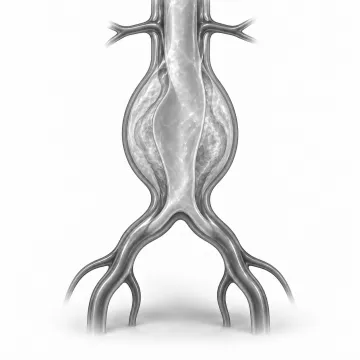
Aneurysms
A bulging artery found on a scan? What it means, when to watch and when to repair.
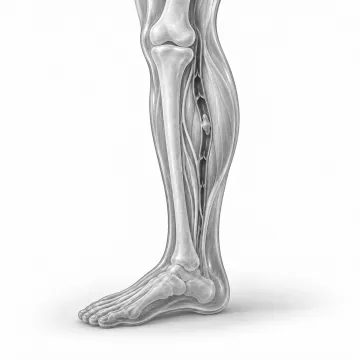
DVT (deep vein blood clots)
Blood clots in the leg or arm: signs, blood thinners, clot removal and long-term care.
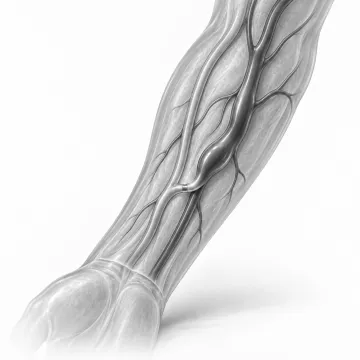
Understanding your dialysis access
Fistula, graft, catheter or PD: how each works, daily checks and warning signs.
Blood thinners and your procedure
Which blood thinners may be paused before a procedure, typical hold times, and how bridging works.
Before your procedure
Fasting, medicines, blood thinners, diabetes, a driver and what to bring: your checklist.
Written for patients by the Palo Alto Interventional team. General information only; your own plan depends on your health and imaging.
Talk to us about your options
Request a consultation online, or call 650-404-8445, Monday to Friday, 8 am to 5 pm. You can also ask your doctor to send a referral. We will review your imaging and help you decide whether a procedure makes sense.