
Before your procedure
Arrive ready, calm and safe for your procedure.
A simple checklist for the days before an interventional radiology procedure: when to stop eating, which medicines to take or pause, who drives you home and what to bring. Most patients arrive 2 hours early.
- Fast from midnight
- Arrive 2 hours early
- Bring a driver
- Bring your med list
 Fabio Komlos, MDInterventional radiologist
 Watch the video explanation3:29 video · Before your procedure
Before your procedure
Dr. Fabio Komlos walks through before your procedure the way he explains it in clinic, using the same images he uses to plan treatment.
Fabio Komlos, MDInterventional radiologist · 3:29If you are having a procedure and you are on blood thinners you need to watch this
10:17
Lung Biopsy Prep: Five Critical Steps Before Your Procedure
3:16
Your checklist at a glance
In the week before
- Tell us about every blood thinner you take, including aspirin. Do not stop any on your own. See blood thinners and procedures.
- Tell us if you take diabetes medicine, especially insulin or a weekly injection such as semaglutide or tirzepatide.
- Tell us if you have ever reacted to X-ray contrast (dye), or if you have kidney disease.
- Tell us if you are or might be pregnant.
- Arrange an adult to drive you home and, ideally, stay with you that night.
- If we asked for blood tests, get them done on time.
The night before and morning of
- No food after midnight, unless we give you different instructions.
- Take your usual morning medicines, especially blood pressure pills, with a small sip of water, except the ones we told you to hold.
- Shower as usual. Leave jewelry and valuables at home.
- Wear loose, comfortable clothes.
- Arrive 2 hours before your scheduled time.
Eating and drinking
If you will receive sedation, your stomach needs to be empty. Food in the stomach can come back up and enter the lungs while you are drowsy, which can cause a serious lung infection.
- Food: nothing to eat for at least 8 hours. For a morning procedure, that simply means nothing after midnight. This includes gum, mints and candy.
- Drinks: most patients should stop drinking after midnight too. For an afternoon procedure, we may allow clear liquids (water, clear apple juice, black coffee without milk) until a set time. Follow the time we give you.
- Pills: you may take your approved morning medicines with a small sip of water.
Some procedures, such as a PICC line or a thyroid biopsy, are done with local numbing only and may not require fasting. We will tell you when you are scheduled.
Your medicines
Bring a complete list of your medicines, doses and when you take them, including vitamins, supplements and over-the-counter pain relievers. A photo of your pill bottles works too.
| Medicine | What to do | Why |
|---|---|---|
| Blood pressure and heart pills | Take them in the morning with a sip of water | Keeps your blood pressure steady and your procedure on schedule |
| Blood thinners and antiplatelets | Follow the exact plan from us and your prescribing doctor | Balances bleeding risk against clot or stroke risk |
| Insulin | Usually take half your usual morning dose | You are fasting, so a full dose can drop your sugar too low |
| Diabetes pills | Usually skip them the morning of the procedure | Prevents low blood sugar while fasting |
| Weekly GLP-1 injections | Tell us early; you may be asked to hold a dose or change your diet the day before | These slow stomach emptying, so food may stay in the stomach longer |
GLP-1 medicines include semaglutide, tirzepatide, liraglutide and dulaglutide, used for diabetes or weight loss. Because they slow down how fast the stomach empties, some patients still have food in the stomach after a normal fast. Depending on your dose and symptoms, we may ask you to hold a weekly injection for one week, skip a daily dose on the day of the procedure, or follow a clear liquid diet for 24 hours beforehand.
SGLT2 medicines for diabetes or heart failure, such as empagliflozin, dapagliflozin and canagliflozin, are often paused for 3 days before a procedure with sedation (4 days for ertugliflozin). Metformin is usually skipped on the morning of the procedure and, after contrast, sometimes held for 48 hours if your kidneys are weak. We will check your blood sugar when you arrive and treat it if needed.
Allergies, including contrast dye
Many IR procedures use contrast, a dye that makes blood vessels visible on X-ray. Tell us if you have ever had hives, swelling, trouble breathing or another reaction to contrast.
If you have had a reaction before, we can often still do the procedure safely. We may give you steroid pills and an antihistamine starting the night before, or use a different type of imaging. An allergy to shellfish or iodine in food does not by itself mean you are allergic to contrast, but please tell us about it anyway.
Also tell us if you are allergic to latex, numbing medicines, sedatives, antibiotics or adhesive tape.
A driver and someone at home
If you receive sedation, you must have a responsible adult take you home. Sedation can slow your reactions and judgment for the rest of the day, even if you feel normal. A taxi or rideshare on your own is not allowed. If you do not have a driver, your procedure may need to be rescheduled.
Plan not to drive, drink alcohol, sign legal papers or make big decisions for 24 hours. Ideally, someone should stay with you overnight. Learn more about sedation.
What to bring
- Photo ID and insurance card
- Your list of medicines and allergies
- A list of your medical problems and past surgeries, and any past problems with sedation or anesthesia
- Your CPAP machine if you use one for sleep apnea
- Glasses, hearing aids and a case for dentures
- A phone charger and something to read, in case of delays
- Your driver's phone number
When you arrive
Plan to arrive 2 hours before your scheduled time. At El Camino Hospital, start at Patient Registration on the main floor; the front desk volunteers can walk you there. Registration staff will then send you to the pre-procedure area.
A nurse will review your health history and medicines, place a small IV in your hand or arm and may draw blood, including clotting tests if you do not have recent results. You will meet the doctor, who will explain the procedure and its risks and answer your questions before you sign the consent form.
We do our best to stay on schedule, but hospital emergencies sometimes cause delays. Most procedures take 30 to 90 minutes, and most patients spend 1 to 2 hours in recovery afterward. Procedures without sedation often allow you to leave right away.
Most delays and cancellations I see come from three things: a blood thinner that was not paused correctly, eating too close to the procedure, or no ride home. If you are unsure about any of these, call us the day before. I would much rather answer a quick question than reschedule you.Fabio Komlos, MD, interventional radiologist · About Dr. Fabio Komlos
Common questions
Can I drink water the morning of my procedure?
Should I take my blood pressure medicine?
I take Ozempic or Mounjaro. Do I need to stop it?
Can I take a taxi or rideshare home?
Why do I need to arrive 2 hours early?
What if I have a cold on the day?
Can I print these instructions?
Blood thinners and your procedure
Which blood thinners may be paused before a procedure, typical hold times, and how bridging works.
Sedation and anesthesia
Local numbing, twilight sedation and anesthesia: what you feel and why you need a ride.
After your procedure
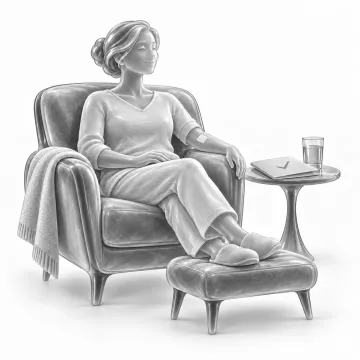
Puncture site care, activity, showering, driving, pain and when to call after an IR procedure.
What is interventional radiology?
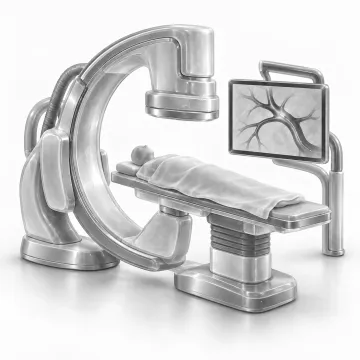
How doctors treat disease from the inside, through a pinhole, using live imaging as their eyes.
Written for patients by the Palo Alto Interventional team. General information only; your own plan depends on your health and imaging.
Talk to us about your options
Request a consultation online, or call 650-404-8445, Monday to Friday, 8 am to 5 pm. You can also ask your doctor to send a referral. We will review your imaging and help you decide whether a procedure makes sense.