
Pain pumps (intrathecal drug delivery)
Strong pain relief with a tiny fraction of the medicine.
A pain pump delivers medicine straight into the fluid around the spinal cord, so a very small dose can control severe pain with fewer side effects. You try a test dose first, and the pump is refilled every few months.
- Trial first
- 1–3 hours
- Anesthesia
- Refills every 1–3 mo
 Fabio Komlos, MDInterventional radiologist
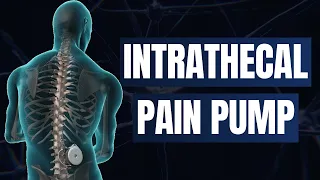 Watch the video explanation11:04 video · What you need to know about Intrathecal Pain Pump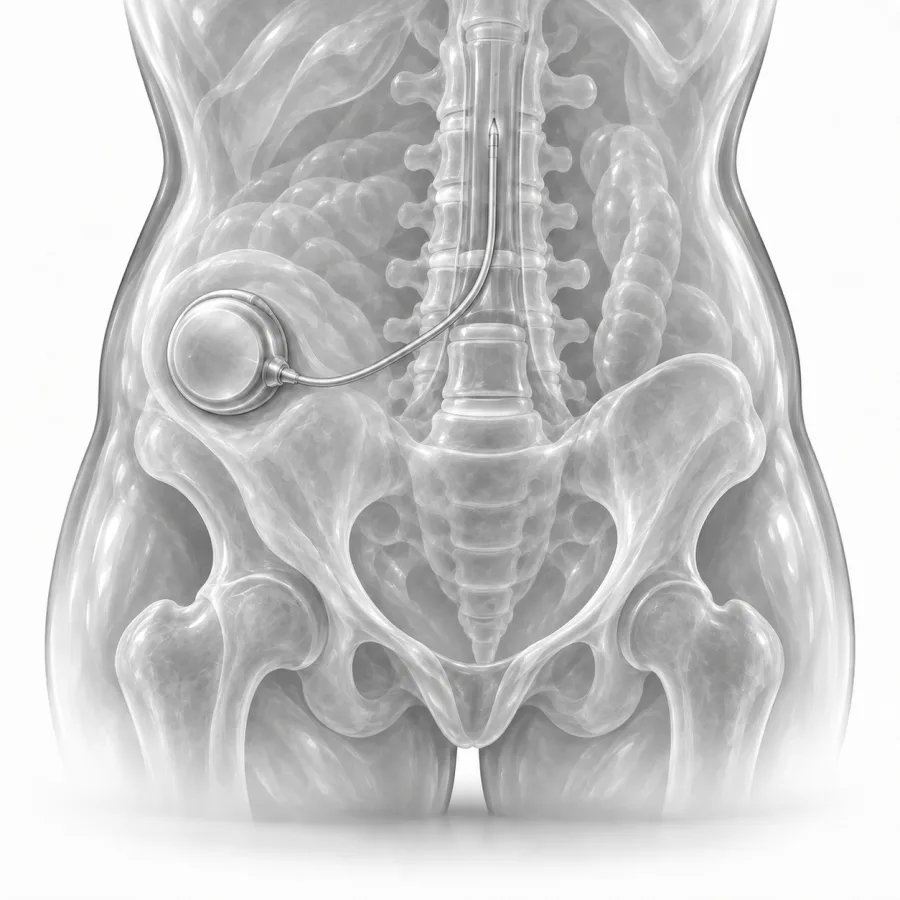
Medicine goes straight to where pain signals travel.
What you need to know about Intrathecal Pain Pump
Dr. Fabio Komlos walks through pain pumps (intrathecal drug delivery) the way he explains it in clinic, using the same images he uses to plan treatment.
Fabio Komlos, MDInterventional radiologist · 11:04Spinal Stimulator
6:56
What is a pain pump?
A pain pump, also called an intrathecal drug delivery system, is a round device about the size of a hockey puck. It sits under the skin of the belly and is connected to a thin, soft tube (catheter). The catheter runs under the skin to the back and into the intrathecal space, the fluid-filled space around the spinal cord.
Because the medicine goes straight to the spinal cord, where pain signals pass on their way to the brain, it does not have to travel through the whole body first. A dose of morphine in the spine can be roughly 300 times smaller than the same effect by mouth. That usually means less drowsiness, confusion, nausea and constipation.
Medicines used in pain pumps
- Morphine and other opioids such as hydromorphone or fentanyl, at very small doses.
- Ziconotide, a non-opioid medicine made from cone snail venom that blocks pain signals in the spinal cord.
- Bupivacaine, a numbing medicine sometimes added to boost relief.
- Baclofen, used in a similar pump to relax severe muscle stiffness (spasticity) rather than for pain.
The pump is programmed with a small computer tablet held over the skin. Many systems also come with a handheld remote that lets you give yourself a small extra dose within safe limits your doctor sets.
On an X-ray, the pump looks like a round metal disc in the belly, and the catheter is a thin line that curves around the side and enters the spine in the lower back.
Who it helps, and who it doesn't
Pain pumps are for severe, long-lasting pain that other treatments have not controlled, or when pain pills work but cause side effects you cannot live with. They are especially helpful for cancer pain. In a well-known trial of people with cancer pain, those who received a pump had better pain control and fewer drug side effects than those on medicines alone.
Good candidates
- Cancer pain that is hard to control, especially in the belly, pelvis, back or legs
- Strong pain medicines that cause too much sleepiness, confusion or constipation
- Chronic non-cancer pain, such as after multiple spine surgeries, when other options have failed
- A successful trial dose
- Able to come back for regular refills
May not be right if
- You have an active infection or a bleeding problem that cannot be corrected
- Your pain may respond to simpler treatments you have not tried
- You cannot return reliably for refill visits
- You have untreated depression or active substance misuse
- Your body is too thin to hold the pump comfortably under the skin (this can sometimes be worked around)
For people with a limited life expectancy from cancer, a pump can still make sense when pain is severe. Your care team, including your oncologist or palliative care team, helps weigh the benefit against the recovery time.
How it compares with other options
| Pain pump | Spinal cord stimulator | Pills or patches | |
|---|---|---|---|
| How it works | Medicine delivered to the spinal fluid | Electrical pulses to the spinal cord | Medicine through the whole body |
| Best for | Widespread or cancer pain | Nerve pain in the legs, arms or back | Mild to moderate pain |
| Trial first? | Yes, a test dose | Yes, 5 to 10 days | Not needed |
| Ongoing care | Refills every 1 to 3 months | Charging and adjustments | Daily doses and prescriptions |
| Main downsides | Surgery, refills, rare overdose or withdrawal | Hardware problems | Drowsiness, constipation, dependence |
Other choices include a spinal cord stimulator, nerve blocks such as a celiac plexus block for pancreatic cancer pain, and targeted procedures described on our cancer pain treatment page.
The trial: testing the medicine
Before a pump is implanted, you try the medicine in your spine to see how well it works. The most common trial is a single injection, similar to a lumbar puncture. You lie on your side or stomach, the skin of the lower back is numbed, and a thin needle places a small dose into the spinal fluid under X-ray guidance. It usually takes 15 to 30 minutes.
You are then watched for several hours, sometimes overnight, while nurses check your breathing, blood pressure and pain. Some doctors instead place a temporary catheter and give the medicine over a few days. The trial is considered a success if your pain drops by about half or more without side effects you cannot tolerate.
During a trial with opioids, your usual pain pills may be reduced to keep you safe. Follow the plan your team gives you exactly.
Getting ready
- Tell us about all your medicines. Blood thinners usually need to be stopped for a set number of days. See blood thinners. Do not stop any medicine without a clear plan.
- You may need blood tests and an ECG (heart tracing).
- Nothing to eat or drink after midnight before the trial or implant, unless we tell you otherwise. Take approved morning medicines with a small sip of water.
- Shower with antibacterial soap before the implant. Wear loose clothes.
- Bring your medicine list, including every pain medicine and its dose.
- Arrange an adult to drive you home and stay with you.
More general advice is on before your procedure.
What happens during the implant
- 1Preparing
You get antibiotics through an IV and general anesthesia or deep sedation. You lie on your side so both the back and belly can be reached.
- 2Placing the catheter
Through a small incision in the lower back, a needle is guided into the spinal fluid under X-ray. The thin catheter is threaded up to the right level and anchored in place.
- 3Placing the pump
A second incision is made on the side of the belly, and a pocket is made under the skin. The catheter is tunneled under the skin around your side and connected to the pump, which is already filled with medicine.
- 4Closing and programming
Both incisions are closed with stitches and skin glue. The pump is programmed to start at a low dose before you wake up.
The implant usually takes 1 to 3 hours. Many people stay in the hospital overnight or for a day or two so the dose can be adjusted safely and breathing can be watched.
Recovery, refills and daily life
- First few daysSoreness at both incisions is normal. A tight abdominal binder may help. Lie flat if you get a headache when sitting up, and let us know.
- First 2 weeksKeep incisions clean and dry. No baths, hot tubs or swimming. A wound check visit is usually 1 to 2 weeks after surgery.
- First 6 weeksAvoid heavy lifting, bending and twisting so the catheter can settle. Walking is encouraged.
- First few monthsThe dose is adjusted at clinic visits until you have the best balance of relief and side effects. Your pain pills are usually lowered slowly.
- Every 1 to 3 monthsRefill visit. The pump is refilled through the skin with a needle in about 20 to 30 minutes.
At a refill visit, the pump is located under the skin, the skin is cleaned, and a needle is passed into the center port of the pump. The old medicine is removed and new medicine is added. It feels like a quick shot. The pump then tells the team how much medicine is left and when to come back. The battery usually lasts about 5 to 7 years, and the pump is then replaced in a shorter procedure using the same catheter.
Living with a pump
- Never miss a refill. If the pump runs empty, you can have withdrawal symptoms or a sudden return of pain.
- The pump sounds an alarm when medicine is low or there is a problem. Call us if you hear it.
- Carry your pump ID card and tell every doctor, dentist and imaging team you have a pump.
- MRI scans are usually possible, but the pump may briefly stop during the scan and needs a check afterward.
- Avoid hot tubs, saunas and very hot baths, and ask before flying in small unpressurized planes or scuba diving, as heat and pressure changes can affect the pump.
Results and risks
Most people who have a successful trial get meaningful pain relief from the pump and can take far fewer pain pills, or stop them. The pump does not remove the cause of pain, and the dose often needs adjusting over time.
When I talk with someone about a pain pump, I ask what the pain pills are taking away from them, whether it is clear thinking, appetite or time awake with family. The pump is a commitment to regular refills, so I want patients and families to understand that part as well as the benefits. For many people with cancer pain, being able to think clearly again matters as much as the pain score.Fabio Komlos, MD, interventional radiologist · About Dr. Fabio Komlos
Possible risks
- Infection at the pump or catheter, uncommon, which may mean removing the system.
- Spinal headache from a small leak of spinal fluid, usually temporary.
- Catheter problems such as kinking, movement or a break, which can reduce relief and may need a repair procedure.
- Medicine side effects such as itching, nausea, swelling of the legs, trouble urinating or, with ziconotide, dizziness and mood changes.
- Overdose or withdrawal from a refill or programming error, rare but serious, which is why refills are done carefully by trained staff.
- Inflammatory mass (granuloma) at the catheter tip, a rare problem with long-term opioid use that can press on the spinal cord and needs prompt attention.
- Bleeding or nerve injury near the spine, very rare.
Common questions
Will I still need pain pills?
Does a refill hurt?
Can the pump give me too much medicine?
Can I travel?
Will I be addicted?
Can the pump be removed?
Will insurance cover it?
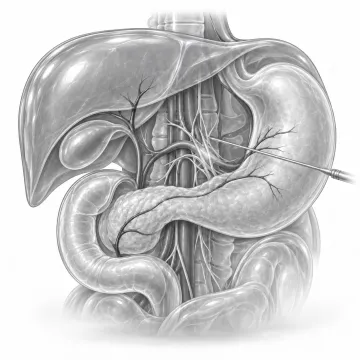
Cancer pain treatment
Nerve blocks, spine and bone procedures, and pain pumps for cancer pain medicines cannot control.
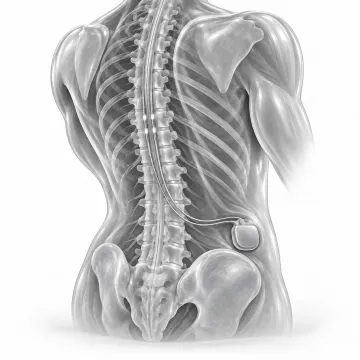
Spinal cord stimulators
Quiet chronic back, leg or nerve pain with a small implanted device you test first.
Nerve blocks
Pinpoint and calm the nerve carrying your pain with a precise, image-guided injection.
Palliative cancer care
Small procedures that ease fluid build-up, pain, blockages and eating problems caused by cancer.
Written for patients by the Palo Alto Interventional team. General information only; your own plan depends on your health and imaging.
Talk to us about your options
Request a consultation online, or call 650-404-8445, Monday to Friday, 8 am to 5 pm. You can also ask your doctor to send a referral. We will review your imaging and help you decide whether a procedure makes sense.