
Drainage of fluid collections
Drain trapped fluid without an open operation.
Abscesses, seromas and lymphoceles can often be drained through a small tube placed with ultrasound or CT guidance. Placement usually takes 15 to 30 minutes, and many people go home the same day.
- Often outpatient
- 15–30 minutes
- Moderate sedation
- Drain for days–weeks
 Fabio Komlos, MDInterventional radiologist
 Watch the video explanation6:43 video · Seromas and Lymphoceles: Advanced Treatment Options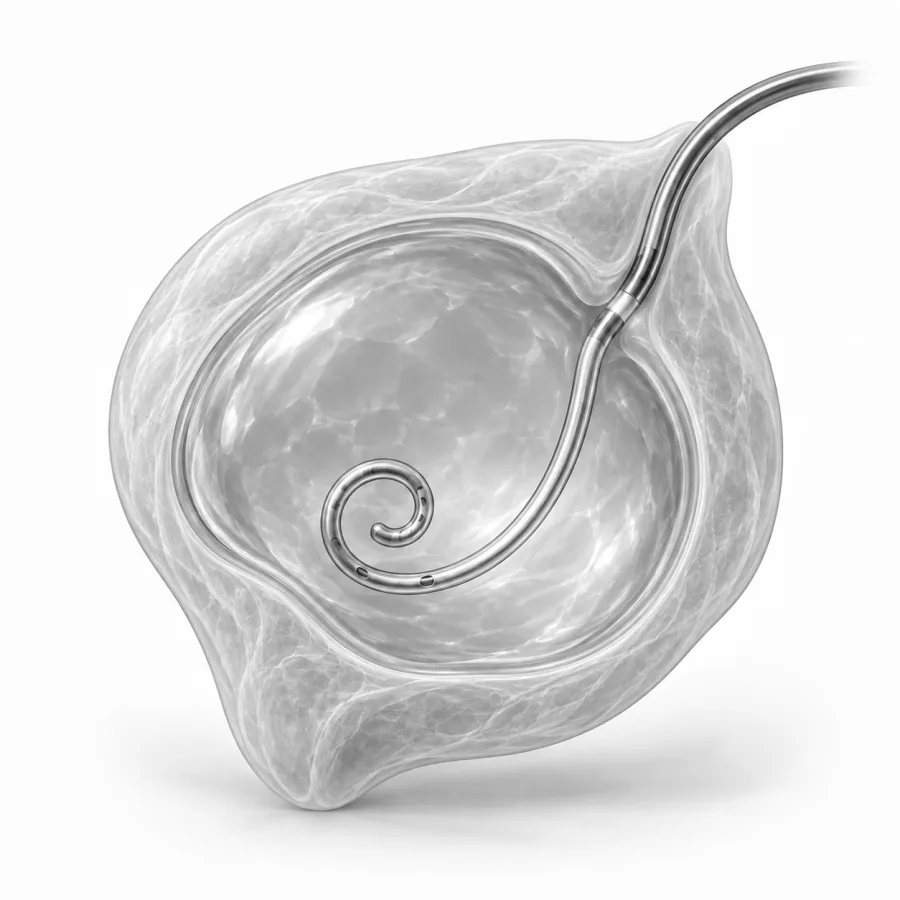
A thin tube placed through a small nick in the skin.
Seromas and Lymphoceles: Advanced Treatment Options
Dr. Fabio Komlos walks through drainage of fluid collections the way he explains it in clinic, using the same images he uses to plan treatment.
Fabio Komlos, MDInterventional radiologist · 6:43How to Flush a Catheter Correctly?
5:54
Before your procedure
3:29
What is a fluid collection?
A fluid collection is a pocket of fluid that builds up somewhere it should not be. It can form after surgery, after an injury or because of an infection. Some pockets are small and go away on their own. Others cause pain, pressure or fever and need to be drained.
The most common types
- Abscess: a pocket of infected fluid, also called pus. It often causes fever, pain and feeling unwell. Antibiotics alone may not reach the center of the pocket.
- Seroma: clear, straw-colored fluid that collects after surgery or injury, for example after a breast, hernia or abdominal operation. It is not infected, but it can be uncomfortable.
- Lymphocele: a pocket of lymph fluid, the clear fluid that normally travels through the lymph vessels. It usually forms after lymph nodes are removed or after pelvic or kidney transplant surgery.
- Other collections after surgery: old blood (a hematoma), bile or other fluid that leaks near an operation site.
On a CT scan, a fluid collection looks like a smooth, darker gray pocket. An abscess often has a brighter rim and sometimes small bubbles of gas inside.
When does a collection need to be drained?
Many seromas and lymphoceles are found by chance on a scan and cause no problems. The body often absorbs them over weeks to months. We usually suggest drainage when a collection causes symptoms, is growing, may be infected or is pressing on something important, such as a vein, the bladder or a ureter (the tube that carries urine from the kidney).
Drainage often helps when
- You have fever or signs of infection
- The pocket causes pain, swelling or pressure
- It keeps coming back after needle drainage
- It presses on a vessel, the bladder or a kidney tube
- Antibiotics alone have not worked
Drainage may not be needed if
- The collection is small and causes no symptoms
- An abscess is smaller than about 2 cm (under an inch); these often heal with antibiotics alone
- There is no safe path for a needle past bowel, organs or large vessels
- Surgery is needed anyway for another reason
How image-guided drainage works
Interventional radiologists use ultrasound or CT to see the collection and plan a safe path to it. After numbing the skin, we pass a thin needle into the pocket, then slide a soft plastic tube, called a drainage catheter, over a guidewire. The tip of the tube curls inside the pocket so it does not slip out. The tube is held at the skin with a small stitch and a dressing.
Small collections may only need aspiration, which means drawing the fluid out with a needle and leaving nothing behind. Larger ones usually need a drain that stays for a few days to a few weeks. Most people receive moderate sedation, also called twilight sedation, through an IV. You stay awake but relaxed.
| Needle aspiration | Image-guided drain | Surgery | |
|---|---|---|---|
| Best for | Small, simple pockets | Larger or infected pockets | Pockets that cannot be reached safely, or when surgery is needed anyway |
| Incision | None | A small nick | Larger cut or keyhole ports |
| Anesthesia | Local, sometimes sedation | Local plus moderate sedation | Usually general anesthesia |
| Tube afterward | No | Yes, for days to weeks | Often a surgical drain |
| Chance it comes back | Higher | Lower | Lower |
Sclerotherapy for collections that keep coming back
Some seromas and lymphoceles keep refilling even with a drain in place. In that case we may recommend sclerotherapy. This means injecting a medicine, called a sclerosant, through the drain into the pocket. Common choices are alcohol, the antibiotic doxycycline or povidone-iodine (Betadine). The medicine irritates the lining of the pocket so the walls stick together and the space closes.
Sclerotherapy may be repeated a few times over one to two weeks. It can sting or ache for a short time. It avoids another operation for many people, but it does not work for everyone.
Living with a drain
If you go home with a drain, we will teach you how to empty it, flush it and record how much comes out each day. That daily number, plus your temperature, tells us when the drain can come out. Most drains are removed in the clinic in a few seconds, without sedation, once the output is below about 20 mL a day (less than 1.5 tablespoons) and the fluid looks thin and clear.
Step-by-step instructions are on how do I manage my drain. If fluid keeps building up for months, for example from cancer in the chest or belly, a long-term tunneled drain may make more sense. Read about the PleurX catheter.
Before I place a drain, I study the scan to find a path that stays away from bowel, blood vessels and organs. I also ask what the fluid is likely to be, because an abscess, a seroma and a lymphocele behave differently. I tell patients that the drain is only half of the treatment. Your daily log is how we know when it has done its job.Fabio Komlos, MD, interventional radiologist · About Dr. Fabio Komlos
Risks and what to watch for
Image guidance keeps the risk low, but no procedure is risk-free. There is a small chance of bleeding or injury to nearby organs or bowel. When an abscess is first drained, you may have fever and chills for a few hours as bacteria are stirred up. Collections can come back and may need another drain or sclerotherapy. If contrast dye is used for a CT, there is a very small risk of allergy or kidney strain.
Explore in detail
Common questions
Does drain placement hurt?
How long will I have the drain?
Will I need to stay in the hospital?
Can the fluid come back after the drain is removed?
Why not just take antibiotics?
Will insurance cover drainage?
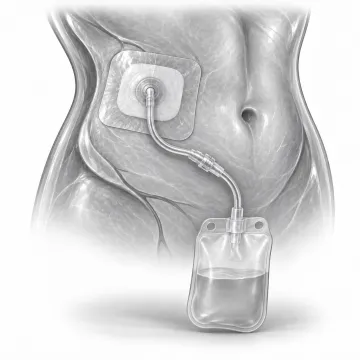
How do I manage my drain?
Emptying, flushing, dressing changes and daily records for a drainage catheter at home.
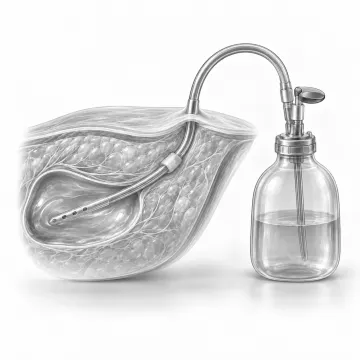
PleurX catheter
A tunneled home drain for fluid that keeps returning in the chest or belly.
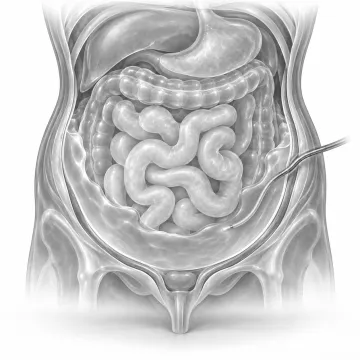
Paracentesis
Drain fluid from the belly through a thin tube, with numbing medicine and quick relief.
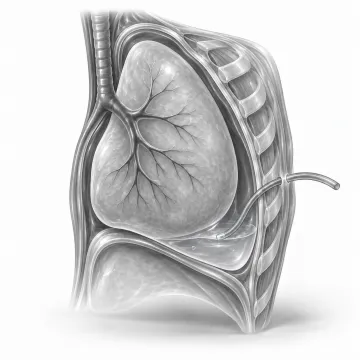
Thoracentesis
Drain fluid around the lung through a thin tube between the ribs, often with relief the same day.
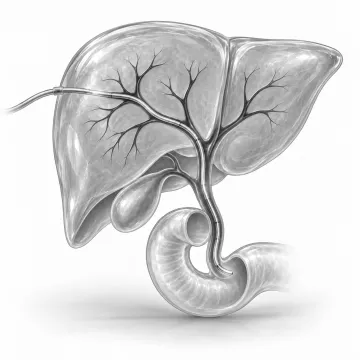
Biliary drain
A thin tube through the liver that drains blocked bile, easing jaundice, itching and infection.
Written for patients by the Palo Alto Interventional team. General information only; your own plan depends on your health and imaging.
Talk to us about your options
Request a consultation online, or call 650-404-8445, Monday to Friday, 8 am to 5 pm. You can also ask your doctor to send a referral. We will review your imaging and help you decide whether a procedure makes sense.