
Feeding tubes
Get the nutrition you need when eating is not enough.
A feeding tube delivers liquid nutrition, water and medicine straight into the stomach or small intestine. We place them through a small opening in the belly using X-ray guidance, usually in about 30 minutes.
- Same day or overnight
- About 30 minutes
- Moderate sedation
- No surgical incision
 Fabio Komlos, MDInterventional radiologist
 Watch the video explanation21:46 video · Feeding Tube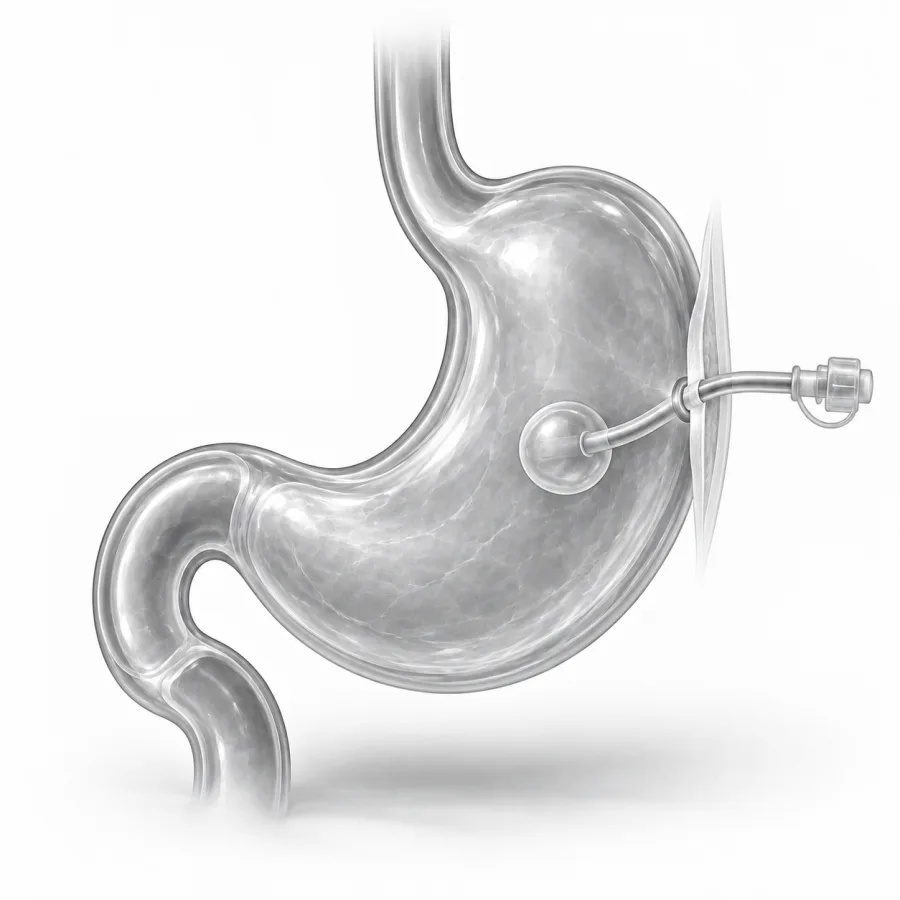
Through a small opening in the belly, without an endoscope.
Feeding Tube
Dr. Fabio Komlos walks through feeding tubes the way he explains it in clinic, using the same images he uses to plan treatment.
Fabio Komlos, MDInterventional radiologist · 21:46How do you take care of your feeding tube
8:06
Your First G-Tube: What Happens When You Don't Flush It Properly?
6:26
Why might I need a feeding tube?
Your body needs a steady supply of calories, protein and water to heal and stay strong. A feeding tube helps when you cannot safely swallow, cannot eat enough by mouth or cannot keep food down. It can be short term, for example during cancer treatment, or long term.
Common reasons
- Trouble swallowing after a stroke or from a nerve or muscle disease such as ALS or Parkinson disease
- Cancer of the head, neck or esophagus, or soreness from radiation treatment
- Unplanned weight loss because you cannot eat enough
- A stomach that empties too slowly, called gastroparesis
- A blockage beyond the stomach, where a tube lets gas and fluid out (a venting tube)
- Medicines that must be delivered straight into the intestine, such as Duopa for Parkinson disease
A feeding tube does not always mean you stop eating. Many people still eat and drink by mouth for pleasure and use the tube to make up the difference. Your speech therapist and doctors will tell you what is safe.
G, GJ and J tubes: what is the difference?
Feeding tubes are named for where the tip ends up. Your team chooses based on how well your stomach works and your risk of food coming back up into your lungs, called aspiration.
| G tube | GJ tube | J tube | |
|---|---|---|---|
| Where the tip sits | Stomach | Enters the stomach, tip in the small intestine | Directly in the small intestine |
| How you feed | Syringe, gravity bag or pump | Pump, slowly, through the J port | Pump, slowly |
| Best for | Most people with a working stomach | Slow stomach, reflux or aspiration risk | When the stomach cannot be used, for example after stomach surgery |
| Clogging | Least likely | More likely, thinner tube | More likely |
| Read more | Gastrostomy tubes | Gastrojejunostomy tubes | Jejunostomy tubes |
On the X-ray screen, a small amount of contrast dye makes the stomach and intestine look like white outlines. That lets us see exactly where the tube tip sits.
How we place feeding tubes
Feeding tubes can be placed in three ways: by a gastroenterologist using an endoscope through the mouth (called a PEG), by a surgeon, or by an interventional radiologist using X-ray guidance. We place them with X-ray. This works well when an endoscope cannot pass, for example because of a tumor in the throat or esophagus. It does not require passing a scope through the mouth.
A thin tube goes through your nose into the stomach to fill it with a little air. Small anchors called T-fasteners hold the stomach against the belly wall. Then the tube is placed through a small opening in the skin. A balloon inside holds it in place. You receive moderate sedation, so you are relaxed but awake.
When I plan a feeding tube, I look at the CT to see where the stomach sits under the ribs and whether the colon or liver is in the way. I also ask how the patient will use it: bolus meals at home, a pump overnight or just medicines. That answer often decides between a G tube and a GJ tube more than anything on the scan.Fabio Komlos, MD, interventional radiologist · About Dr. Fabio Komlos
Is a feeding tube right for me?
A feeding tube is a tool, not a requirement. For short-term needs of a few weeks, a thin tube through the nose, called a nasogastric tube, may be enough. It needs no procedure, but it is uncomfortable and easy to pull out, so it is not a good long-term choice.
For people with advanced illness, such as late-stage dementia, studies have not shown that feeding tubes help people live longer or prevent pneumonia. In that situation, careful hand feeding focused on comfort is often the kinder choice. We encourage you to talk openly with your doctors and family about your goals before deciding. See palliative cancer care for more on care focused on comfort.
Living with a feeding tube
- Flush it with water before and after every feeding and every medicine. This is the most important habit to prevent clogs.
- Keep the skin clean and dry. Wash with soap and water. After the first days, many sites do well without a dressing.
- Shower from the day after placement. Avoid baths, hot tubs and swimming until the site heals, often about 4 weeks.
- Secure the tube with tape, a stabilizing device or a tube belt so it does not get pulled.
- Tubes wear out. Balloon tubes are usually changed every few months. This is a quick clinic or X-ray room visit, often without sedation.
Explore in detail
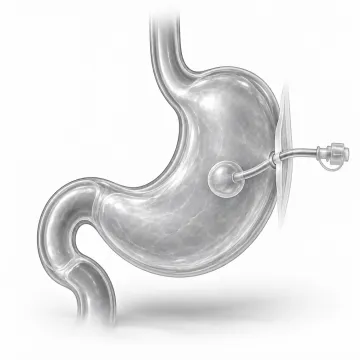
Gastrostomy tube (G tube)
A feeding tube into the stomach, placed with X-ray guidance through a small opening.
Learn more →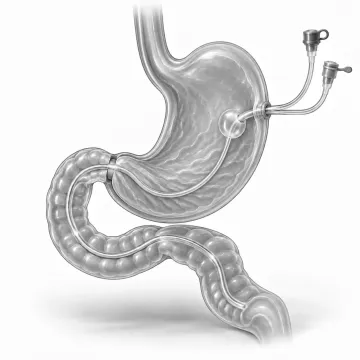
Gastrojejunostomy tube (GJ tube)
A feeding tube that delivers nutrition past the stomach, into the small intestine.
Learn more →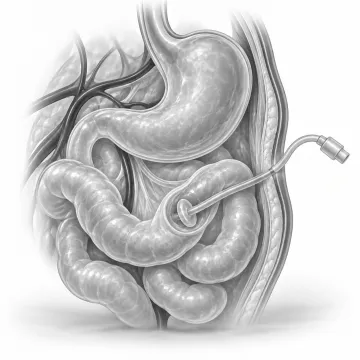
Jejunostomy tube (J tube)
A feeding tube placed directly into the small intestine, and tubes for Duopa therapy.
Learn more →Common questions
Can I still eat by mouth?
Does placement hurt?
Is a feeding tube permanent?
Which is better, a PEG or an X-ray-guided tube?
Where do I get feeding supplies?
Gastrostomy tube (G tube)
A feeding tube into the stomach, placed with X-ray guidance through a small opening.
Gastrojejunostomy tube (GJ tube)
A feeding tube that delivers nutrition past the stomach, into the small intestine.
Jejunostomy tube (J tube)
A feeding tube placed directly into the small intestine, and tubes for Duopa therapy.
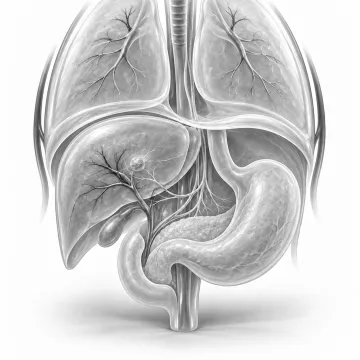
Palliative cancer care
Small procedures that ease fluid build-up, pain, blockages and eating problems caused by cancer.
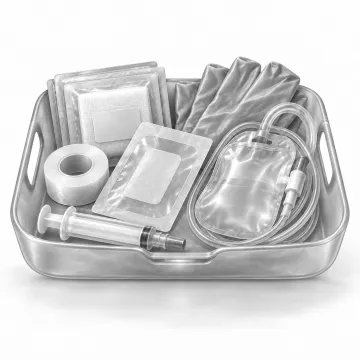
Home supplies for drains and tubes
What supplies you need for drains, kidney and bile tubes, and feeding tubes, and where to get them.
Written for patients by the Palo Alto Interventional team. General information only; your own plan depends on your health and imaging.
Talk to us about your options
Request a consultation online, or call 650-404-8445, Monday to Friday, 8 am to 5 pm. You can also ask your doctor to send a referral. We will review your imaging and help you decide whether a procedure makes sense.