
DVT (deep vein blood clots)
Treat a leg clot and protect your lungs and leg.
Deep vein thrombosis (DVT) is a blood clot in a deep vein, usually in the leg. Most people are treated with blood-thinning pills; for large clots, we can remove the clot through a small tube in a vein.
- Common and treatable
- Ultrasound diagnosis
- Blood thinners first
- Clot removal if severe
 Fabio Komlos, MDInterventional radiologist
 Watch the video explanation4:44 video · Blood Clots in Your Legs? What Doctors URGENTLY Want You to Know (DVT 101)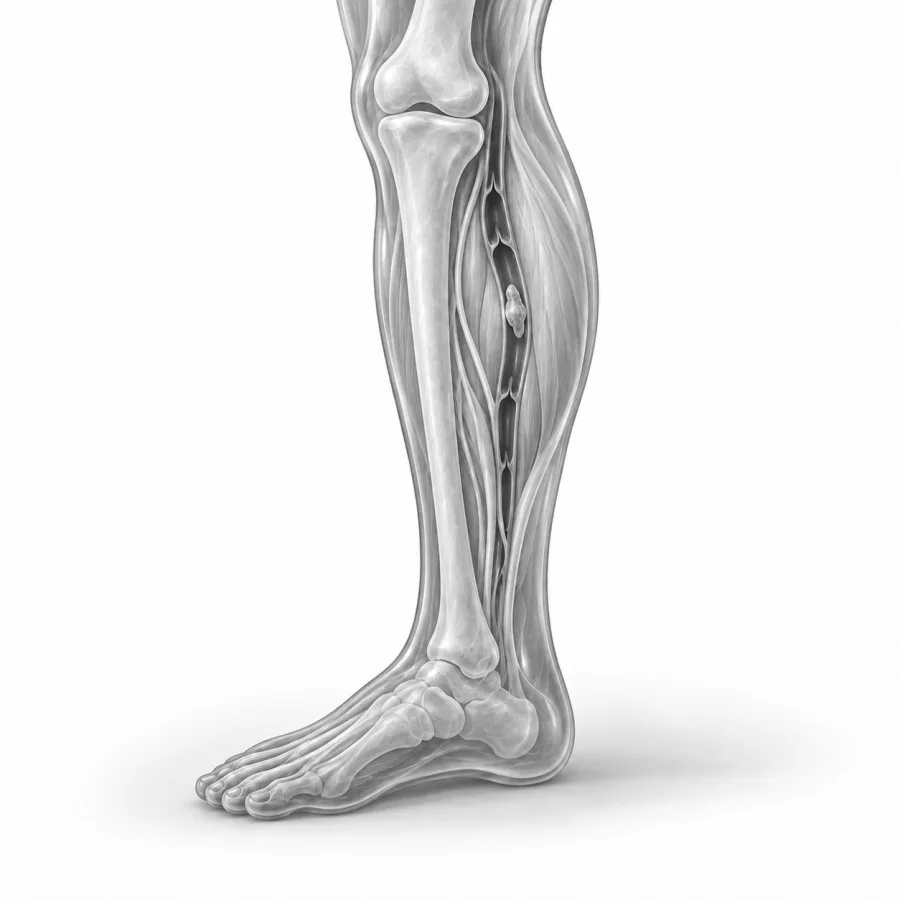
New one-sided leg swelling needs a same-day check.
Blood Clots in Your Legs? What Doctors URGENTLY Want You to Know (DVT 101)
Dr. Fabio Komlos walks through dvt (deep vein blood clots) the way he explains it in clinic, using the same images he uses to plan treatment.
Fabio Komlos, MDInterventional radiologist · 4:44Lets talk about DVT (Deep Vein Thrombosis)
5:17
Deep Venous Thrombosis Diagnosis and Thrombectomy
3:02
Ever heard of May-Thurner Syndrome? Most people havent but its a major cause of blood clots in th
3:27
Quick answers
Under a minute eachWhat is a DVT and why does it happen?
A deep vein thrombosis (DVT) is a blood clot in one of the large veins deep inside the leg, thigh or pelvis, or sometimes the arm. The clot partly or fully blocks blood from flowing back to the heart, so the limb swells and aches.
The biggest danger is that a piece of the clot breaks off and travels through the heart into the lungs. This is called a pulmonary embolism (PE), and it can be life-threatening. A DVT and a PE are two stages of the same disease, which doctors call venous thromboembolism.
Common causes and risk factors
- Not moving for long periods: hospital stays, bed rest, a leg cast, long flights or car rides
- Recent surgery, especially hip, knee or abdominal surgery
- Cancer and some cancer treatments
- Pregnancy and the first weeks after delivery
- Birth control pills or hormone therapy containing estrogen
- A central line or PICC line in an arm vein
- Injury to a leg
- Inherited clotting tendencies, or a past clot
- A vein squeezed by an artery in the pelvis, called May-Thurner syndrome
Clots can happen at any age. Sometimes no clear cause is found.
Symptoms and when to worry
Signs of a DVT
- Swelling of one leg or arm, often the whole calf or the whole limb
- Aching, cramping or tenderness, often in the calf or thigh
- Warmth and red or bluish skin
- Veins near the skin looking more visible than usual
About half of DVTs cause few or no symptoms. That is one reason clots are sometimes found only after they reach the lungs.
How a DVT is diagnosed
Your doctor asks about your symptoms and risk factors and examines the limb. A blood test called a D-dimer can help rule out a clot when the chance is low. A normal result makes a clot unlikely, but a high result is not specific and is common after surgery, in pregnancy and in older adults.
The main test is a compression ultrasound. The technologist presses gently on the veins with the probe. A healthy vein squashes flat; a vein full of clot does not. The test is painless, uses no radiation and takes about 20 to 40 minutes. For clots in the pelvis or abdomen, a CT or MRI scan of the veins may be added.
On ultrasound, a normal vein collapses completely when pressed, like a soft straw. A vein with a clot stays round and full, and the clot may be seen as gray material filling the vein with no color flow through it.
Treatment options
Almost everyone with a DVT is treated with blood-thinning medicine, called an anticoagulant. Blood thinners do not dissolve the clot directly. They stop it from growing and stop new clots from forming, while your body slowly breaks down the clot over weeks to months.
Common blood thinners
- Pills that need no routine blood tests: apixaban (Eliquis), rivaroxaban (Xarelto), dabigatran (Pradaxa) and edoxaban (Savaysa)
- Warfarin (Coumadin), a pill that needs regular blood tests to adjust the dose
- Injections under the skin: enoxaparin (Lovenox) or fondaparinux (Arixtra), often used in cancer, pregnancy or at the start of treatment
Most people take blood thinners for at least 3 months. If the clot had a clear, temporary cause such as surgery, treatment often stops then. If there was no clear cause, or the risk continues, you may be advised to stay on them longer, sometimes for life. Read more in our blood thinners guide.
Small clots limited to the calf veins sometimes do not need blood thinners. Instead, a repeat ultrasound in 1 to 2 weeks checks whether the clot is growing.
| Blood thinners alone | Clot removal plus blood thinners | |
|---|---|---|
| Who it suits | Most DVTs | Large clots in the thigh or pelvis with severe symptoms, or a limb at risk |
| What happens | Pills or injections at home | A catheter procedure in the hospital, then blood thinners |
| How fast it helps | Swelling eases over weeks | Swelling often improves within days |
| Main trade-offs | Clot may leave scarring in the vein | Procedure risks, including bleeding |
An IVC filter is a small device placed in the main abdominal vein to catch clots. It is used mainly when you cannot take blood thinners. It does not treat the clot, and it should be removed once the danger has passed.
Clot removal: thrombectomy and thrombolysis
For large clots in the thigh or pelvis, especially in younger, active people or when the leg is badly swollen and painful, we may remove the clot. Thrombectomy means pulling the clot out with a device. Thrombolysis means dripping clot-dissolving medicine directly into the clot. Both are done through a small tube in a vein, with no surgical incision.
- 1Arrive and get comfortable
The procedure is done at El Camino Hospital. An IV is placed, and you receive moderate sedation, which keeps you relaxed and drowsy. You are monitored throughout.
- 2Map the veins
After numbing the skin, often behind the knee or in the neck, we place a thin tube into the vein using ultrasound. Contrast dye and X-rays, called a venogram, show where the clot is.
- 3Remove the clot
We pull out the clot with a thrombectomy device, dissolve it with medicine, or both. Some patients need a clot-dissolving drip overnight and a second session the next day.
- 4Fix the cause
If a narrowed vein caused the clot, such as in May-Thurner syndrome, we open it with a balloon and often place a stent, a small metal scaffold, to keep it open.
Afterward, soreness at the puncture site is common and usually settles in 2 to 3 days. Do not drive or make important decisions for the rest of the day after sedation. Avoid strenuous activity and heavy lifting for 24 hours, and wait 24 hours to shower. You will continue blood thinners, and if a stent was placed, we follow it with ultrasound.
Possible risks
- Bleeding, especially with clot-dissolving medicine; rarely serious bleeding, including in the brain
- Bruising at the puncture site
- A piece of clot traveling to the lungs during the procedure
- The clot or stent blocking again, which is why blood thinners and follow-up matter
Living with DVT and preventing long-term problems
Some people develop lasting leg problems after a DVT, called post-thrombotic syndrome. The clot scars the vein and damages its valves, causing chronic swelling, heaviness, skin darkening and, in severe cases, sores near the ankle. It affects roughly 1 in 4 to 1 in 2 people after a leg DVT, mostly within the first 2 years, and is more common after large thigh or pelvic clots.
- Take your blood thinner exactly as prescribed. Do not skip doses.
- Walk every day. You do not need bed rest once you start treatment.
- Wear compression stockings if they ease swelling and aching.
- Keep your legs raised when resting.
- Tell every doctor and dentist that you take a blood thinner.
- On long trips, get up and walk every hour or two, and flex your ankles.
- Go to the emergency room for heavy bleeding, black stools, vomiting blood, a bad fall or head injury, or signs of stroke such as weakness on one side or slurred speech.
When I see a patient with a big clot in the thigh or pelvis, I think beyond the next few weeks. Blood thinners protect the lungs, but they do not reopen a vein that is packed with clot, and that is what leads to years of swelling. I look closely at the pelvic veins for a narrowing that caused the clot. For the right patient, removing the clot early and fixing that narrowing can save a leg a lot of trouble later.Fabio Komlos, MD, interventional radiologist · About Dr. Fabio Komlos
Common questions
Will I be on blood thinners for life?
Can I walk with a DVT?
How long does the swelling last?
Can I fly after a DVT?
Do I need an IVC filter?
What is May-Thurner syndrome?
Can DVT come back?
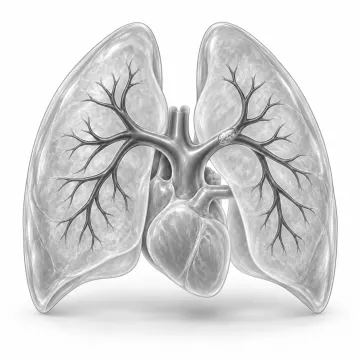
Pulmonary embolism (blood clots in the lungs)
Blood clots in the lungs: warning signs, blood thinners and catheter clot removal.
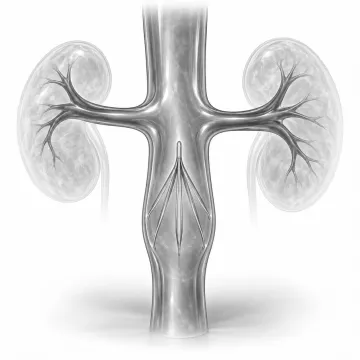
IVC filter placement and removal
Why IVC filters are placed, how they are removed, and why removal matters.
Blood thinners and your procedure
Which blood thinners may be paused before a procedure, typical hold times, and how bridging works.
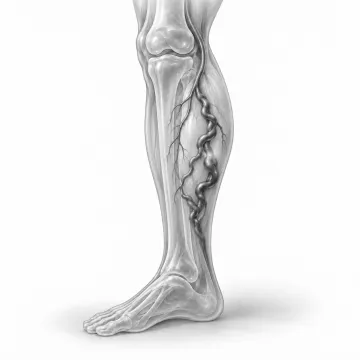
Varicose veins
Why leg veins bulge and ache, and how to treat them without major surgery.
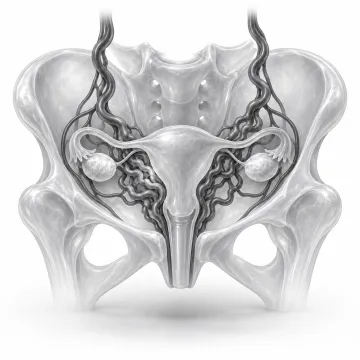
Pelvic congestion syndrome
Chronic pelvic pain from varicose veins in the pelvis, and how embolization treats it.
Written for patients by the Palo Alto Interventional team. General information only; your own plan depends on your health and imaging.
Talk to us about your options
Request a consultation online, or call 650-404-8445, Monday to Friday, 8 am to 5 pm. You can also ask your doctor to send a referral. We will review your imaging and help you decide whether a procedure makes sense.