
PleurX catheter
Drain fluid that keeps coming back, at home.
A PleurX catheter is a soft tube tunneled under the skin into the chest or belly. You or a family member drain the fluid at home in about 15 minutes, instead of coming back for repeated needle drainage.
- Outpatient
- 15–30 minutes
- Moderate sedation
- Drain at home
 Fabio Komlos, MDInterventional radiologist
 Watch the video explanation8:23 video · PleurX Catheter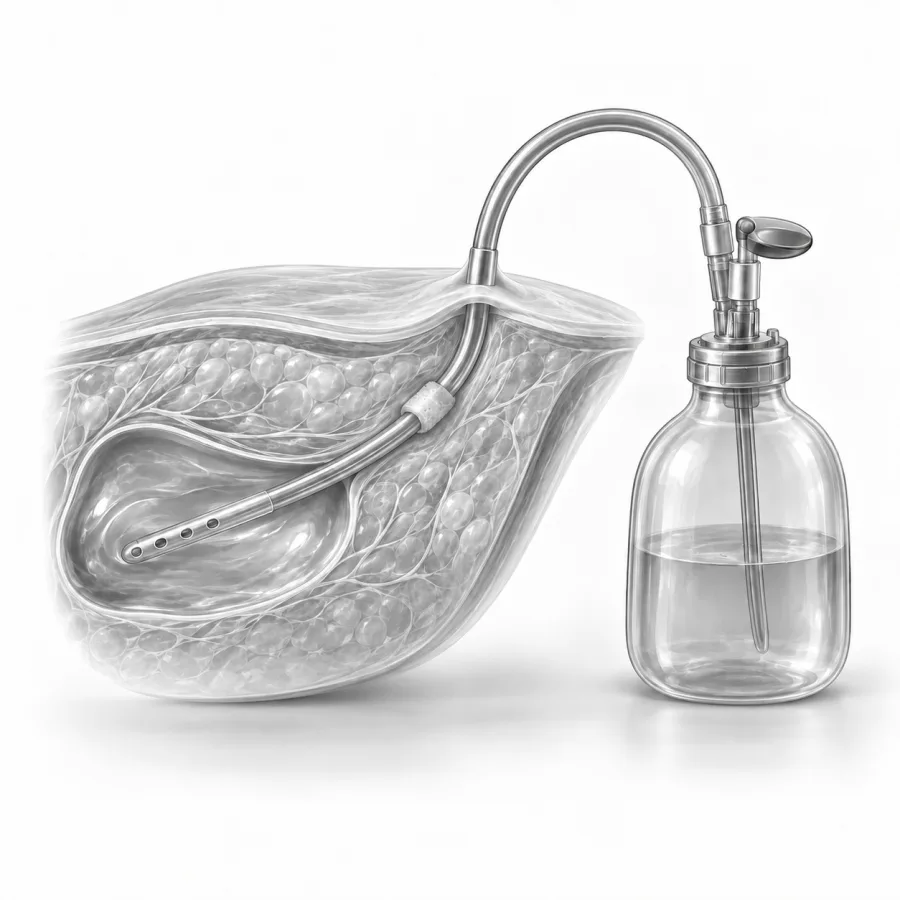
Drain when you need to, without a hospital visit.
PleurX Catheter
Dr. Fabio Komlos walks through pleurx catheter the way he explains it in clinic, using the same images he uses to plan treatment.
Fabio Komlos, MDInterventional radiologist · 8:23Thoracentesis Procedure: Everything You Need to Know
12:23
Removing Ascites Fluid: Paracentesis Explained
10:32
What is a PleurX catheter?
PleurX is the brand name of a long-term drainage tube, also called a tunneled indwelling catheter. It is a thin, soft silicone tube. One end sits in the space where fluid builds up. The middle runs a few inches under the skin, in a short tunnel. The outer end comes out through the skin and is closed with a one-way valve, so nothing leaks between drainages.
A small cuff on the tube sits inside the tunnel. Over 2 to 3 weeks, the skin and tissue grow into the cuff. This anchors the tube and helps keep germs out. When you are not draining, the tube is coiled under a small dressing and most people forget it is there.
On a chest X-ray, the catheter shows up as a thin white line curving into the space around the lung. On ultrasound, the fluid looks black, which helps us pick a safe spot.
Who might benefit?
A PleurX catheter is for fluid that comes back again and again, usually within days to weeks after it is drained with a needle. The most common reason is cancer that affects the lining of the lung or the belly. It can also help some people with heart failure or liver disease when other treatments are no longer enough.
Chest (pleural) catheter
- Fluid around the lung, called a pleural effusion
- Shortness of breath that improves after thoracentesis, then returns
- A lung that cannot fully expand, called trapped lung
- Read more: chest PleurX
Abdominal (peritoneal) catheter
- Fluid in the belly, called ascites
- Swelling, pressure or trouble eating that improves after paracentesis, then returns
- Frequent paracentesis visits that are hard to keep up with
- Read more: abdominal PleurX
How it compares with repeated drainage
| Repeated needle drainage | PleurX catheter | |
|---|---|---|
| Where | Hospital or clinic, each time | At home |
| How often | Each time fluid builds up | Whenever you need, often every 1 to 3 days |
| Needle sticks | One every visit | One placement procedure |
| Something to care for | Nothing between visits | A small tube and dressing |
| Main risk | Small risk with each stick | Infection of the tube or tunnel |
Needle drainage is a good choice when fluid returns slowly, for example every few weeks. When it returns in days, or when trips to the hospital are exhausting, a catheter often gives more control and comfort. For fluid around the lung, a third option is pleurodesis, a treatment that seals the lining so fluid cannot collect. See pleurodesis.
Placement and home drainage
The catheter is placed as an outpatient procedure at El Camino Hospital, with numbing medicine and moderate sedation. We use ultrasound and X-ray to guide it. Placement usually takes 15 to 30 minutes, and most people go home the same day.
To drain, you clean the valve, connect it to a vacuum bottle or bag, and let the fluid flow out. A nurse teaches you and a family member before you leave, and a home health nurse may visit for the first few drainages. Supplies are shipped to your home.
When a patient needs a needle drainage every week or two, I bring up the catheter early. The goal is simple: fewer hospital visits and more good days at home. I always check the ultrasound to see how the fluid lies and whether the lung or bowel is stuck down, because that helps me choose the safest spot for the tube.Fabio Komlos, MD, interventional radiologist · About Dr. Fabio Komlos
Risks and when to call
The most important risk is infection, either at the skin, along the tunnel or in the fluid itself. It is uncommon, and most infections are treated with antibiotics without removing the tube. Other problems include a blocked tube, fluid leaking around the tube, pain during drainage and, rarely, the tube coming out. Some people need the tube removed or replaced.
Explore in detail
Common questions
Is the catheter permanent?
Can I shower with it?
Who drains the fluid?
Does draining hurt?
Is PleurX the only brand?
Will insurance cover the catheter and supplies?
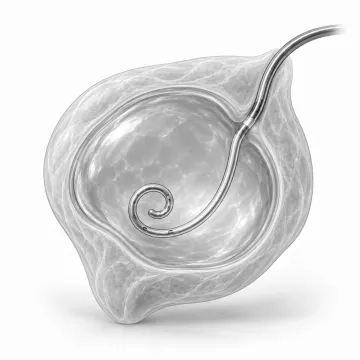
Drainage of fluid collections
Image-guided drainage of abscesses, seromas and lymphoceles through a small tube.
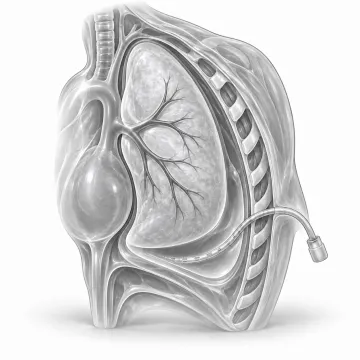
Chest PleurX catheter
A home drain for fluid that keeps building up around the lung.
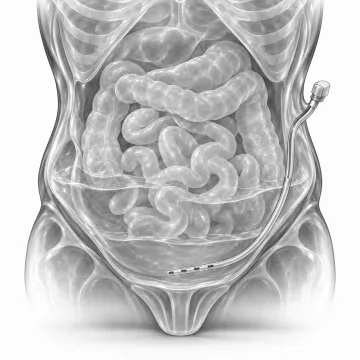
Abdominal PleurX catheter
A home drain for fluid that keeps building up in the belly (ascites).
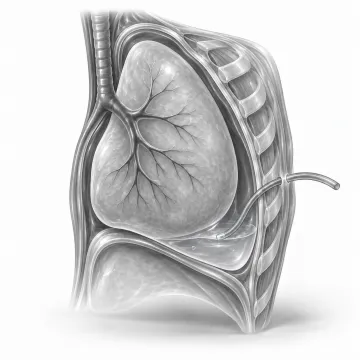
Thoracentesis
Drain fluid around the lung through a thin tube between the ribs, often with relief the same day.
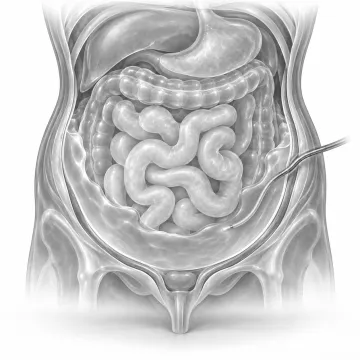
Paracentesis
Drain fluid from the belly through a thin tube, with numbing medicine and quick relief.
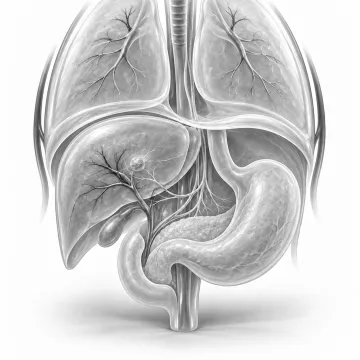
Palliative cancer care
Small procedures that ease fluid build-up, pain, blockages and eating problems caused by cancer.
Written for patients by the Palo Alto Interventional team. General information only; your own plan depends on your health and imaging.
Talk to us about your options
Request a consultation online, or call 650-404-8445, Monday to Friday, 8 am to 5 pm. You can also ask your doctor to send a referral. We will review your imaging and help you decide whether a procedure makes sense.