
Biliary interventions
Clear a blocked bile duct and ease jaundice.
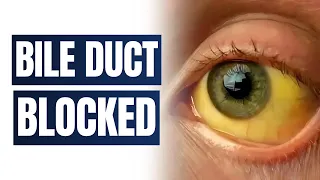
When stones, tumors or scars block the bile ducts, bile backs up into the blood and turns the skin yellow. We can drain it, stent it or remove stones through a small nick in the side of the chest or belly.
- Jaundice relief
- Image-guided
- Sedation or anesthesia
- Works when ERCP can't
 Fabio Komlos, MDInterventional radiologist
 Watch the video explanation17:26 video · How interventional radiologist can fix blocked bile ducts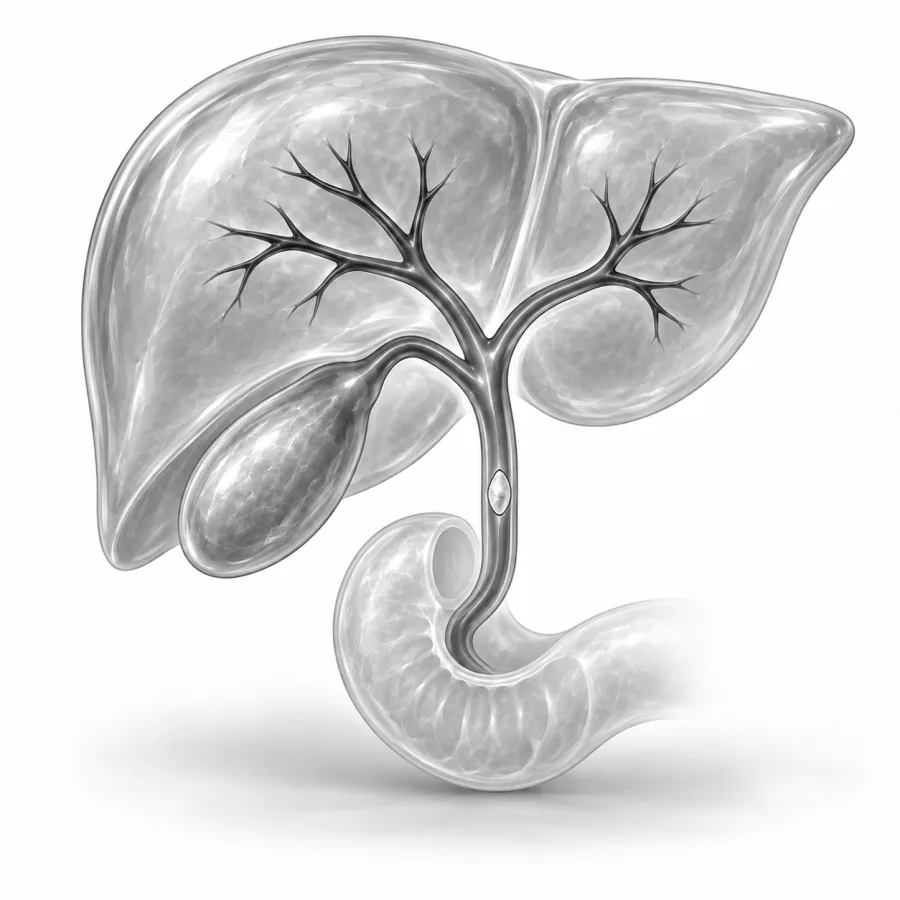
 On imaging
Cholangiogram: contrast fills the bile ducts so we can see where they are blocked.
How interventional radiologist can fix blocked bile ducts
Dr. Fabio Komlos walks through biliary interventions the way he explains it in clinic, using the same images he uses to plan treatment.
Fabio Komlos, MDInterventional radiologist · 17:26Before your procedure
3:29
What are the bile ducts?
Your liver makes bile, a yellow-green fluid that helps you digest fat and carries waste out of the body. Bile flows through small tubes in the liver, called bile ducts, that join like branches of a tree into one main duct. Bile is stored in the gallbladder and then flows into the first part of the small intestine.
If a duct is blocked, bile backs up into the liver and the blood. The yellow substance in bile, called bilirubin, builds up and causes jaundice.
Signs of a blocked bile duct
- Yellow skin or yellow whites of the eyes
- Dark, tea-colored urine
- Pale or clay-colored stools
- Itchy skin, often worse at night
- Poor appetite, nausea or pain in the upper right belly
- Fever and chills, which can mean the bile is infected
Why bile ducts get blocked
- Gallstones that slip into the bile duct
- Cancers of the pancreas, bile ducts, gallbladder or liver, or cancer that has spread to lymph nodes nearby
- Scarring after surgery, such as gallbladder removal or a liver transplant
- Inflammatory diseases of the bile ducts
- A bile leak after surgery or injury
Infected, trapped bile is called cholangitis. It can spread to the blood and become life-threatening within hours. Draining the bile, along with antibiotics, is the treatment.
How the blockage is treated
The first choice for many blockages is ERCP, done by a gastroenterologist. A camera tube goes through the mouth into the intestine to reach the bile duct from below. When ERCP is not possible or does not work, or when the blockage is high up in the liver, we reach the ducts from the outside instead.
We start with a percutaneous transhepatic cholangiogram, or PTC. A very thin needle passes through the skin and liver into a bile duct, and we inject contrast dye to make a map of the ducts on X-ray. From there we can do one of several things.
| ERCP | Through the liver (IR) | |
|---|---|---|
| Route | Mouth, stomach, intestine | Skin, liver, bile duct |
| Done by | Gastroenterologist | Interventional radiologist |
| Best for | Low blockages, most stones | High blockages, altered anatomy, failed ERCP |
| Outside tube afterward | No | Often, at least for a while |
Our procedures
- Biliary drain: a thin tube that lets bile flow out to a bag, into the intestine, or both. This relieves jaundice and infection.
- Biliary stent: a metal or plastic tube left fully inside the duct to hold it open, often placed through the drain track once things settle.
- Biliary stone removal: clearing stones through a matured drain track when ERCP or surgery is not an option.
What we seeLife after bile duct treatment
If you go home with a drain, you will learn to flush it, change the dressing and empty the bag. Most people can shower, walk and do light daily tasks within a few days. We change drains every 2 to 3 months, or sooner if they clog, and we look for chances to switch you to a fully internal stent.
Our biliary drain page covers daily care step by step, and managing your drain and home supplies help with the practical side.
How we decide together
When I look at your CT or MRI, I want to know exactly where the blockage sits and whether the bile is infected. If ERCP can fix it, I often suggest that first. When it can't, I plan the safest path through the liver, and I talk with you honestly about what living with a drain is like and how we can work toward a fully internal stent.Fabio Komlos, MD, interventional radiologist · About Dr. Fabio Komlos
We work closely with your surgeon, gastroenterologist and oncologist. Relieving jaundice can make you feel better, ease itching, and allow some cancer treatments such as chemotherapy to go ahead.
Explore in detail
Common questions
Is jaundice dangerous?
Why didn't I get an ERCP?
Will I have a tube coming out of my body?
How soon will my skin stop being yellow?
Does it hurt?
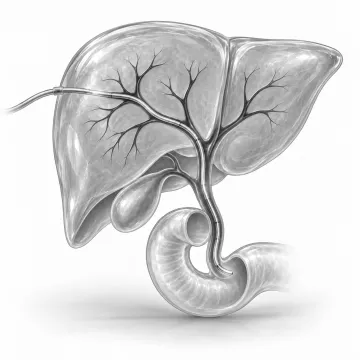
Biliary drain
A thin tube through the liver that drains blocked bile, easing jaundice, itching and infection.
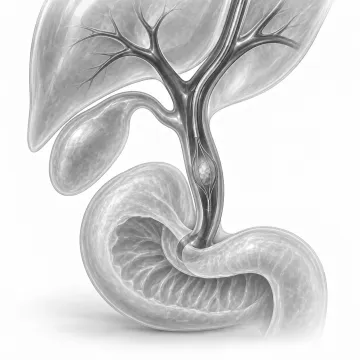
Percutaneous biliary stone removal
Remove bile duct or gallbladder stones through an existing drain track, without surgery.
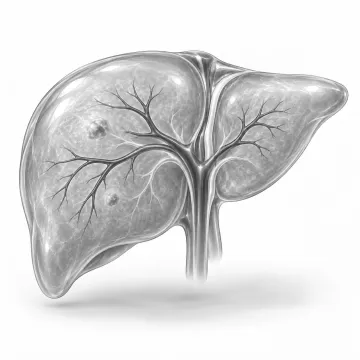
Liver tumors
Primary liver cancer and liver metastases: what they are and every way to treat them.
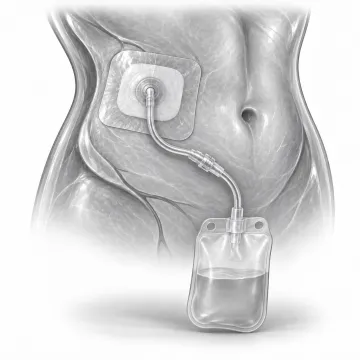
How do I manage my drain?
Emptying, flushing, dressing changes and daily records for a drainage catheter at home.
Written for patients by the Palo Alto Interventional team. General information only; your own plan depends on your health and imaging.
Talk to us about your options
Request a consultation online, or call 650-404-8445, Monday to Friday, 8 am to 5 pm. You can also ask your doctor to send a referral. We will review your imaging and help you decide whether a procedure makes sense.