
Epidural steroid injections
Calm a pinched nerve so you can move again.
An epidural steroid injection places anti-inflammatory medicine right next to an irritated spinal nerve, guided by X-ray or CT. It takes about 10 to 15 minutes, and relief often lasts weeks to months.
- Outpatient
- 10–15 minutes
- Local numbing
- Back to work next day
 Fabio Komlos, MDInterventional radiologist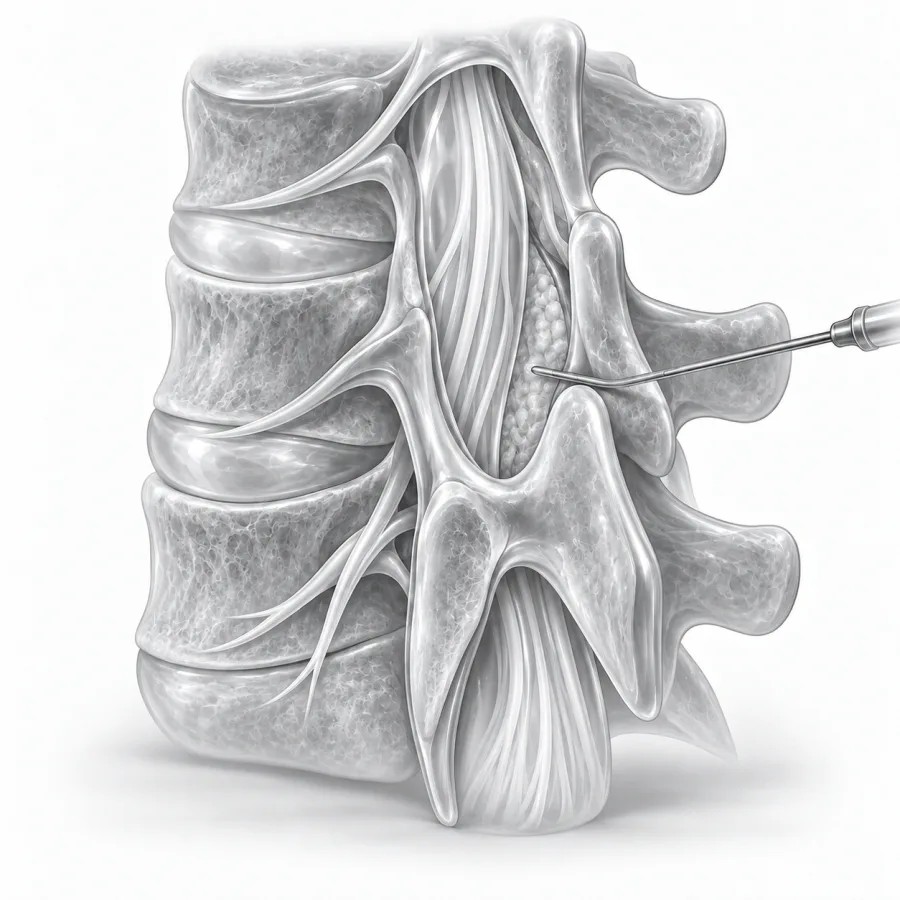
Imaging guides the needle to the irritated nerve.
What is an epidural steroid injection?
The spinal cord and the nerves leaving it are wrapped in a protective sac. The thin space between that sac and the bones of the spine is the epidural space. When a disc bulges or the spine narrows, nearby nerves can become squeezed and inflamed, causing pain that shoots down the leg (sciatica) or the arm.
An epidural steroid injection (ESI) delivers two medicines into that space, right next to the irritated nerve. A corticosteroid, a strong anti-inflammatory such as dexamethasone, triamcinolone or methylprednisolone, calms the swelling. A numbing medicine (local anesthetic) such as lidocaine or bupivacaine gives quick, short-term relief. We use live X-ray (fluoroscopy) or CT to place the needle precisely.
The injection does not shrink a herniated disc or fix narrowing. It calms the nerve, which can give your body time to heal and make it possible to do physical therapy.
Related image-guided injections
- Transforaminal injection: the needle approaches from the side, at the opening where one nerve leaves the spine. Good for pain on one side.
- Interlaminar injection: the needle approaches from the back, near the middle. Spreads medicine to both sides and several levels.
- Caudal injection: the needle enters just above the tailbone. Useful after back surgery.
- Facet joint and sacroiliac (SI) joint injections: steroid into the small joints of the spine or the joint between the spine and pelvis, for arthritis-type back pain.
- Selective nerve root block: a small, targeted injection that can also help show which nerve is causing pain. See nerve blocks.
On the X-ray image, a small amount of contrast dye spreads along the nerve and into the epidural space, outlining the path the medicine will follow.
Who it helps, and who it doesn't
May help with
- Sciatica: pain running from the buttock down the leg
- Arm pain from a pinched nerve in the neck
- A herniated or bulging disc pressing on a nerve
- Spinal stenosis, narrowing that causes leg pain when walking
- Spondylolisthesis, when one vertebra slips forward on another
- Pain that keeps you from doing physical therapy
May not be right if
- You have a fever or an infection
- You are pregnant or could be
- You have uncontrolled diabetes, since steroids raise blood sugar
- You take blood thinners that cannot be safely paused
- You have a serious allergy to contrast dye or the medicines
- You have new weakness, numbness in the groin or loss of bladder or bowel control, which need urgent evaluation instead
Injections tend to work best for leg or arm pain from an irritated nerve, and less well for back pain alone. They can also help your surgeon decide whether surgery is likely to help.
How it compares with other options
| Steroid injection | Physical therapy and medicines | Spine surgery | |
|---|---|---|---|
| Time to relief | 2 to 7 days | Weeks | Days to weeks after recovery |
| How long it lasts | Weeks to months | Can be long term with ongoing exercise | Often long term |
| Recovery | Back to normal the next day | None | Weeks to months |
| Main downsides | Temporary, steroid side effects | Takes time and effort | Larger procedure with surgical risks |
Many sciatica episodes improve on their own over 6 to 12 weeks. An injection is often used to get through the worst of it. For long-lasting nerve pain that does not respond, a spinal cord stimulator may be an option. For arthritis-type back pain, a medial branch block followed by radiofrequency ablation can last longer.
How to prepare
- Tell us about blood thinners. Depending on the medicine and the type of injection, you may need to stop it for a few days. See blood thinners. Do not stop it without a plan from your prescribing doctor.
- If you have diabetes, bring your meter and plan to check your sugar more often for 2 to 3 days afterward.
- Tell us if you have any allergies, especially to contrast dye, iodine or local anesthetics.
- Most injections use only local numbing, and you can eat a light meal. If you choose sedation, do not eat or drink for 6 to 8 hours beforehand.
- Arrange a ride home, because your leg or arm may feel numb or weak for a few hours.
- Leave valuables at home.
What happens during the injection
- 1Positioning
You lie on your stomach or side on the procedure table. For neck injections, you may lie on your side or back. Your blood pressure and oxygen are monitored.
- 2Numbing and guiding
The skin is cleaned and numbed, which stings like a bee sting for a few seconds. Using X-ray or CT, the doctor guides a thin needle to the target, then injects contrast dye to confirm the medicine will flow to the right place.
- 3Injecting the medicine
The steroid and numbing medicine are injected slowly. You may feel pressure or a brief flash of your familiar pain, which usually means the right nerve is being reached.
- 4Short recovery
The needle is removed and a small bandage applied. You rest for 15 to 30 minutes, and we check that you can stand and walk safely.
The injection itself takes about 10 to 15 minutes. Depending on your pain, both sides or more than one level may be treated. Light sedation is available if you are anxious.
After the injection
- First few hoursThe numbing medicine may bring quick relief. Your leg or arm may feel numb or weak for 1 to 2 hours, so be careful standing and do not drive.
- Days 1 to 3Pain may briefly return or be a little worse as the numbing wears off, before the steroid takes effect. Ice and acetaminophen (Tylenol) help. Most people return to work and normal activity the next day. Shower as usual, but no baths or pools for 1 to 2 days.
- Days 2 to 7The steroid starts working. Some people notice flushing, trouble sleeping or higher blood sugar for a few days.
- Weeks 2 to 4Follow-up to review your pain. If the injection helped, this is a good window to work hard on physical therapy or a home exercise program.
A pain diary for the first two weeks helps us decide whether the injection worked and what to do next.
Results and risks
Many people with sciatica or arm pain from a pinched nerve get meaningful relief, often lasting a few weeks to several months, and about 3 months on average. Some get lasting relief, and some little or none. If the first injection helps, it can be repeated. Many experts limit steroid injections to about 3 or 4 a year because of the effects of steroids on bones, blood sugar and hormones.
When I plan an injection, I look at the MRI and match it to where you feel the pain, so I can put the medicine next to the nerve that is actually irritated. I tell patients that the injection opens a window, not a cure. The people who do best use that window to get stronger with physical therapy.Fabio Komlos, MD, interventional radiologist · About Dr. Fabio Komlos
Possible risks
- Soreness at the injection site for a day or two.
- Temporary numbness or weakness in the leg or arm for a few hours.
- Steroid side effects for a few days: flushing, feeling warm, trouble sleeping, mood changes, fluid retention and higher blood sugar.
- Spinal headache from a small puncture of the spinal sac, uncommon, usually treated with rest, fluids and caffeine or a blood patch.
- Infection or bleeding, rare.
- Allergic reaction to the medicine or contrast dye, rare.
- Very rarely, serious nerve injury, stroke or paralysis, mostly reported with injections in the neck. Imaging, contrast dye and careful choice of medicine help lower this risk.
- With frequent use over time, steroids can weaken bones.
Common questions
Does it hurt?
How long until it works?
How long will the relief last?
Can I drive myself home?
Will a steroid injection make me gain weight?
How many injections can I have?
Will insurance cover it?
Nerve blocks
Pinpoint and calm the nerve carrying your pain with a precise, image-guided injection.
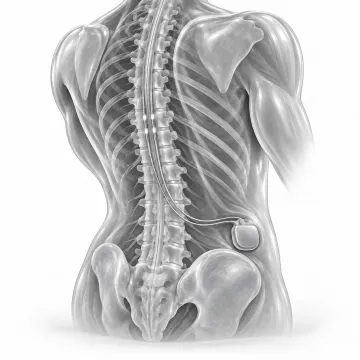
Spinal cord stimulators
Quiet chronic back, leg or nerve pain with a small implanted device you test first.
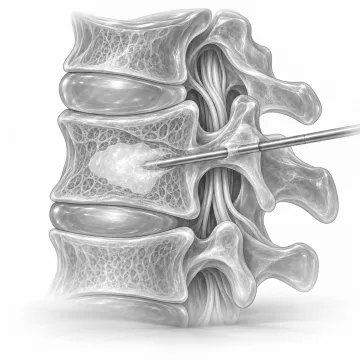
Kyphoplasty
Stabilize a painful spine compression fracture with bone cement, through a needle.
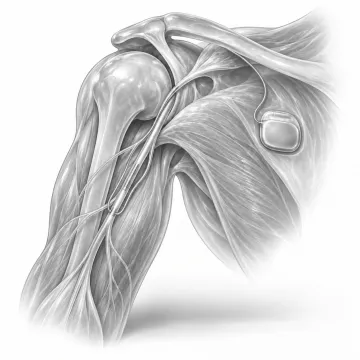
Peripheral nerve stimulators
Ease pain in the back, shoulder, knee or a limb with a thin wire and gentle electrical pulses.
Written for patients by the Palo Alto Interventional team. General information only; your own plan depends on your health and imaging.
Talk to us about your options
Request a consultation online, or call 650-404-8445, Monday to Friday, 8 am to 5 pm. You can also ask your doctor to send a referral. We will review your imaging and help you decide whether a procedure makes sense.