
Home supplies for drains and tubes
The right supplies make life with a tube easier.
If you go home with a drain, nephrostomy, biliary tube or feeding tube, you will need a few simple supplies: bags, dressings, flushes and something to hold the tube securely. Here is what they are and where to get them.
- Starter kit provided
- Refills need an order
- Keep a spare kit
- Ask before you buy
 Fabio Komlos, MDInterventional radiologist
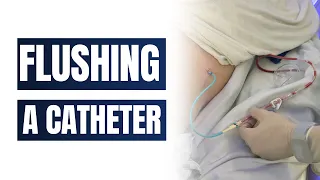 Watch the video explanation5:54 video · How to Flush a Catheter Correctly?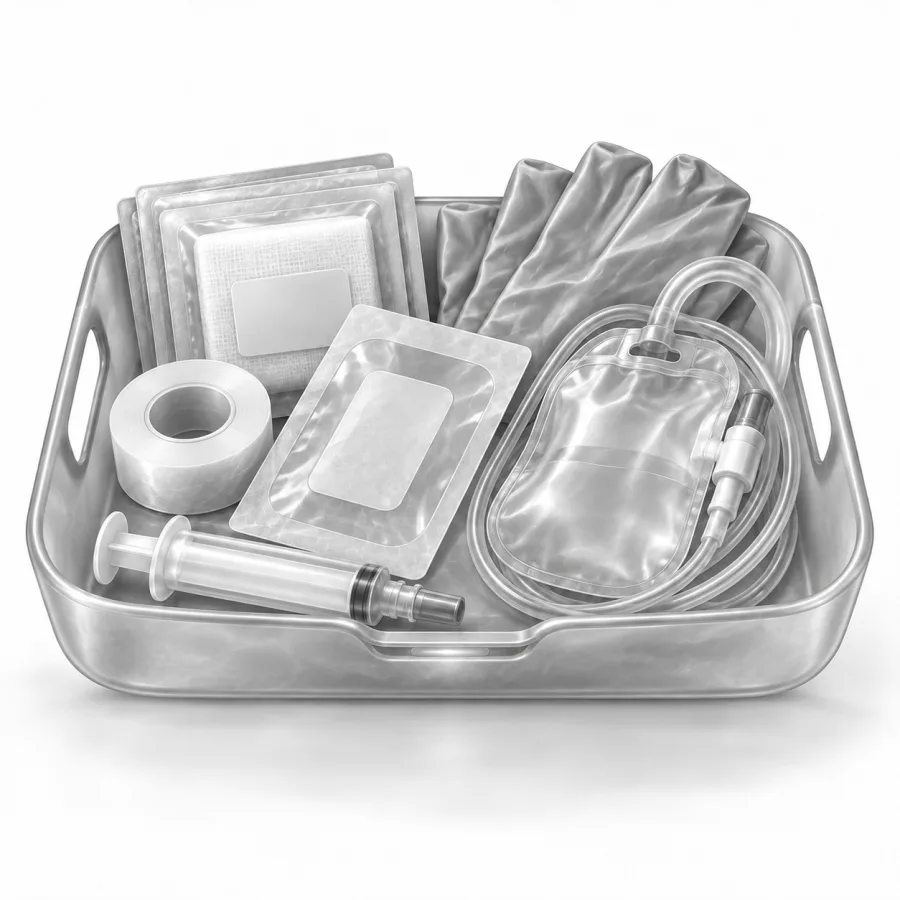
Carry a bag, dressing and flush when you leave home.
How to Flush a Catheter Correctly?
Dr. Fabio Komlos walks through home supplies for drains and tubes the way he explains it in clinic, using the same images he uses to plan treatment.
Fabio Komlos, MDInterventional radiologist · 5:54How do you take care of your feeding tube
8:06
What are Double J stents, Nephrostomy tubes, and NU stents?
23:30
Your First G-Tube: What Happens When You Don't Flush It Properly?
6:26
Where your supplies come from
Most patients leave the hospital with a starter supply and printed instructions. After that, supplies usually come from one of these sources.
- A home health agency. A visiting nurse may bring supplies and teach you or a family member how to use them.
- A medical supply company, also called a durable medical equipment (DME) supplier. With a prescription from your doctor, it can ship bags, dressings and flushes to your home, often every month. Many are covered by insurance when they are medically needed.
- A pharmacy. Prefilled saline flush syringes usually need a prescription. Gauze, tape and alcohol wipes are sold over the counter.
- General stores and online shops, for everyday items such as tape, gauze, waterproof shower covers and bag holders.
We do not sell supplies or earn money from any store. Buy from wherever is easiest for you. If you are unsure whether a product will fit your tube, bring it to your next visit or call us before you use it.
Order refills about a week before you run out. Deliveries can take several days.
Drains for fluid collections
A drain removes fluid or pus from a pocket inside the body, usually into a bag or a small bulb. Learn more in drainage of fluid collections and how to manage your drain.
- Drainage bags or bulbs, and a measuring cup to record output
- Prefilled 10 mL saline flush syringes, if we ask you to flush
- Split gauze (pre-cut to fit around a tube) and plain gauze pads
- Paper or cloth medical tape, or clear film dressings
- An adhesive securement device that holds the tube to the skin
- Alcohol wipes for cleaning connectors
- A waterproof cover for showering
- A small notebook or log sheet for daily output
Kidney tubes and bile duct tubes
A nephrostomy drains urine from the kidney, and a biliary drain drains bile from the liver. Both usually connect to a bag, and the supplies are similar.
| Item | What it is for | Tips |
|---|---|---|
| Leg bag | A small bag strapped to the thigh or calf during the day | Empty it when it is half to two-thirds full |
| Night bag | A larger bag that hangs by the bed overnight | Keep it below the level of the tube so it drains by gravity |
| Bag straps or holders | Elastic leg straps, belly bands or carry pouches | Keep the tube from pulling when you move |
| Securement device | An adhesive pad that clamps the tube to the skin | Usually changed with the dressing, about once a week |
| Dressing supplies | Split gauze, clear film, tape and skin-protecting wipes | Change 1 to 3 times a week, or when wet or loose |
| Saline flushes and a 3-way valve | Keep the tube clear, if we ask you to flush | Use a new syringe each time |
Feeding tubes
A feeding tube brings nutrition, fluids and medicine directly into the stomach or small bowel. Learn more in feeding tubes and gastrostomy tubes.
- Extension sets, if you have a low-profile button tube
- Feeding and flushing syringes that fit your tube's connector (most new tubes use the ENFit safety connector)
- Formula, feeding bags and a pump, if prescribed, usually from a home nutrition supplier
- Split gauze or foam tube pads to protect the skin around the tube
- A tube belt or abdominal binder to keep the tube from catching on clothing
- A spare tube or button of the correct size, if your doctor recommends one
Flush the tube with water before and after every feeding and every medicine. It is the best way to prevent a clog.
Everyday tips
- Wash your hands before touching the tube, dressing or connectors.
- Always keep at least one extra bag, dressing and flush at home, and a small kit with you when you go out.
- Write down your tube type and size and keep it in your wallet or phone. It helps any nurse or emergency room care for you.
- Check the skin around the tube daily for redness, leaking or sores.
- Never cut, clamp or reposition the tube unless we have shown you how.
Many problems I see with tubes at home are not medical at all; they are a tube that caught on a seatbelt or a dressing that came loose. A good securement device and a leg strap make a real difference. Bring your supplies to your follow-up visit, and I am happy to show you which ones work best for your tube.Fabio Komlos, MD, interventional radiologist · About Dr. Fabio Komlos
Common questions
Will insurance pay for my supplies?
Can I buy supplies online?
How often should I change my dressing?
Can I shower with a tube?
What should I carry when I leave home?
Who do I call when I run out?
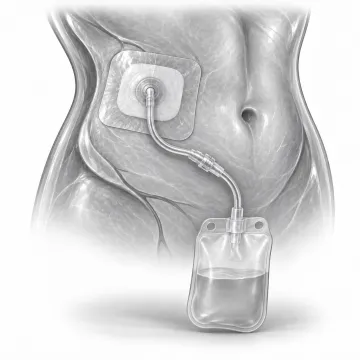
How do I manage my drain?
Emptying, flushing, dressing changes and daily records for a drainage catheter at home.
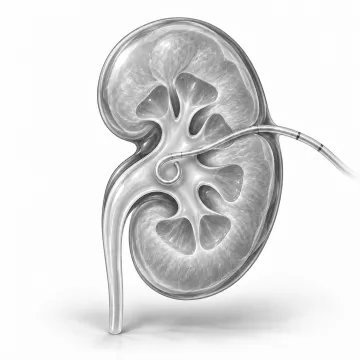
Nephrostomy tube
A thin drain from the kidney through the back that relieves a blockage or infection.
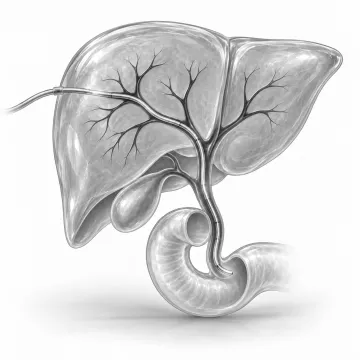
Biliary drain
A thin tube through the liver that drains blocked bile, easing jaundice, itching and infection.
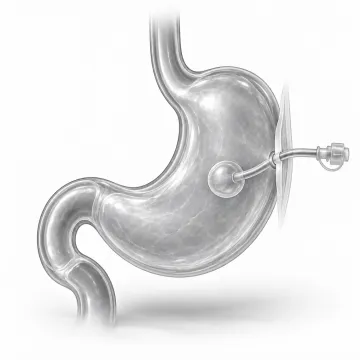
Feeding tubes
G, GJ and J tubes explained: why you might need one and how we place them.

After your procedure
Puncture site care, activity, showering, driving, pain and when to call after an IR procedure.
Written for patients by the Palo Alto Interventional team. General information only; your own plan depends on your health and imaging.
Talk to us about your options
Request a consultation online, or call 650-404-8445, Monday to Friday, 8 am to 5 pm. You can also ask your doctor to send a referral. We will review your imaging and help you decide whether a procedure makes sense.