
Image-guided biopsies
Get a clear diagnosis without surgery.
An image-guided biopsy takes a tiny sample of tissue through a needle, using ultrasound or CT to aim. Most take 15 to 30 minutes, and most people go home the same day.
- Outpatient
- 15–30 minutes
- Local or sedation
- Home the same day
 Fabio Komlos, MDInterventional radiologist
 Watch the video explanation12:30 video · How do you know if you have cancer or not?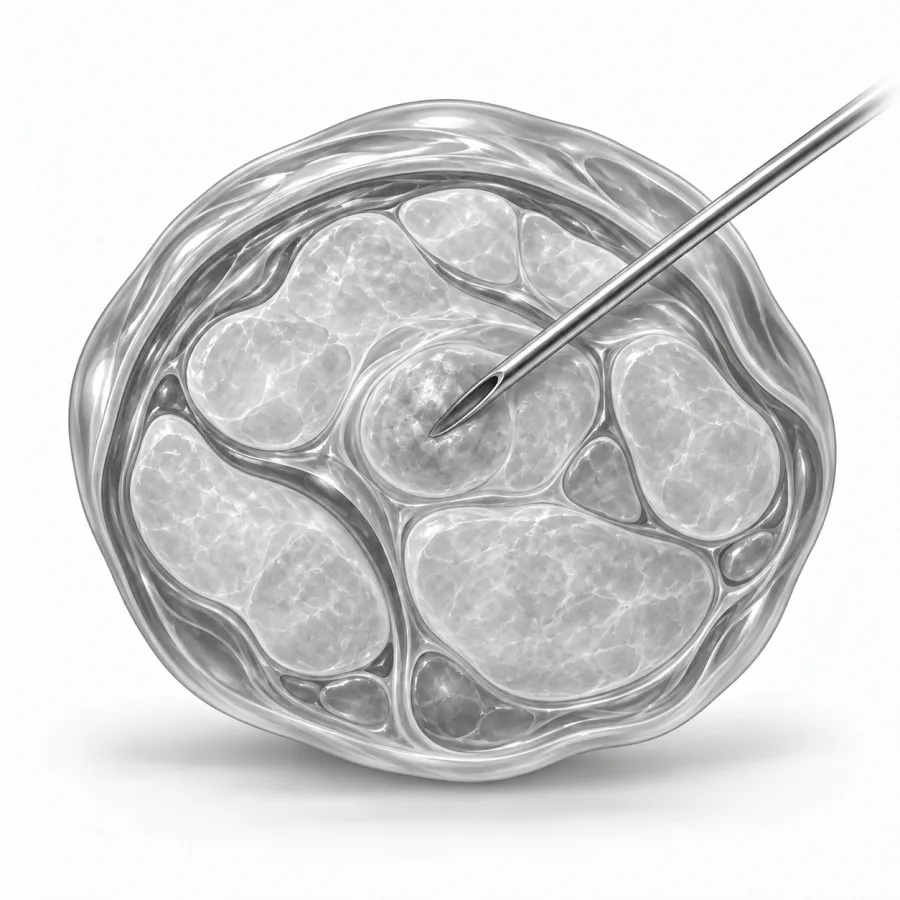
 On imaging
CT guidance: the needle is advanced in small steps and checked on each scan.
How do you know if you have cancer or not?
Dr. Fabio Komlos walks through image-guided biopsies the way he explains it in clinic, using the same images he uses to plan treatment.
Fabio Komlos, MDInterventional radiologist · 12:30If you are having a procedure and you are on blood thinners you need to watch this
10:17
Before your procedure
3:29
Swollen Lymph Node? When a Biopsy Is Necessary
10:56
What is an image-guided biopsy?
A biopsy is a small sample of tissue taken so a specialist doctor, called a pathologist, can look at it under a microscope. It is often the only way to know for sure what a spot on a scan is: cancer, a harmless (benign) growth, an infection or inflammation.
Knowing the exact cause matters because it sets the treatment. With cancer, it is usually not enough to know that it is in the lung or the liver. Your doctors need to know the exact type, and often its genetic markers, to choose the right medicine.
Before any biopsy, I go through your scans myself and ask two questions. Will the result change what we do next? And what is the safest path for the needle to reach the target? If a blood test or a follow-up scan can answer the question instead, I will tell you.Fabio Komlos, MD, interventional radiologist · About Dr. Fabio Komlos
Ultrasound or CT: how we aim the needle
We pick the imaging that shows your target best. Both let us watch the needle and steer it away from blood vessels, bowel and other organs.
| Ultrasound guidance | CT guidance | |
|---|---|---|
| Best for | Thyroid, neck, lymph nodes near the skin, liver, kidney | Lung, deep lymph nodes, bone, spots hidden behind bone or air |
| What you see | Live moving picture | Quick cross-section scans, repeated as the needle advances |
| Radiation | None | Low dose, kept as small as possible |
| Typical sedation | Numbing medicine alone, or light sedation | Usually moderate (twilight) sedation |
What we seeCore needle or fine needle
There are two main kinds of biopsy needle. The choice depends on the organ and on what the pathologist needs.
Core needle biopsy
- Takes thin cylinders of tissue, about the width of pencil lead
- Shows how cells are arranged, not just what they look like
- Allows extra tests: special stains, genetic and molecular testing
- Preferred for lymphoma, most cancers and liver or kidney disease
Fine needle aspiration (FNA)
- Uses a very thin needle to draw out cells
- Slightly less discomfort and a bit less bleeding risk
- Standard first test for thyroid nodules
- Sometimes too few cells for a firm answer
Which biopsy do you need?
Each biopsy has its own details, risks and recovery. Choose the page that matches your procedure.
- Lung biopsy: a CT-guided sample of a lung nodule or mass.
- Liver biopsy: a targeted sample of a spot (lesion) seen in the liver.
- Medical liver biopsy: a sample of the liver itself to stage fatty liver, hepatitis or abnormal liver tests.
- Kidney biopsy: a sample of kidney tissue to diagnose kidney disease or check a transplant.
- Bone marrow biopsy: a sample from the hip bone to diagnose blood disorders.
- Thyroid biopsy: a fine needle sample of a thyroid nodule.
- Salivary gland biopsy: a sample of a lump in the parotid or submandibular gland.
- Lymph node biopsy: a sample of a swollen lymph node in the neck, armpit, groin or deeper.
Preparing for your biopsy
Most of the preparation is about bleeding risk and sedation. We will call you before the procedure with instructions made for you. Our general guide is in before your procedure.
What to expect
- 1Tell us about every blood thinner you take, including aspirin, fish oil and supplements. Do not stop any on your own.
- 2If you will have sedation, do not eat for 8 hours before. Small sips of water with your morning medicines are usually fine.
- 3Take your blood pressure medicine as normal unless we tell you otherwise.
- 4You may need a recent blood test to check clotting and platelets.
- 5If you have sedation, bring an adult to drive you home. You cannot drive until the next day.
Blood thinners need a plan. For low bleeding risk biopsies, like the thyroid or a lymph node near the skin, many people keep taking them. For higher risk ones, like the lung, liver or kidney, most need to pause them for a few days. We work this out with the doctor who prescribes them. Read more in blood thinners.
What happens on the day
- 1Check-in
At El Camino Hospital, a nurse reviews your medicines, starts an IV if you are having sedation and answers your questions. You sign a consent form.
- 2Positioning and numbing
You lie on the table in the position that gives the safest path. We clean the skin and numb it with local anesthetic, which stings for a few seconds.
- 3Taking the samples
Using ultrasound or CT, we guide the needle to the target and take several samples. You may feel pressure or hear a click from the biopsy device. We may ask you to hold your breath for a few seconds.
- 4Recovery
We close the puncture with skin glue or a small bandage. You rest for 30 minutes to a few hours, depending on the biopsy, before going home.
After the biopsy and waiting for results
You can eat and drink right after. Soreness at the needle site is normal and should ease within 2 to 3 days. Acetaminophen (Tylenol) is usually enough. Avoid heavy lifting and hard exercise for about a week after most organ biopsies, or 1 to 2 days after a thyroid or lymph node biopsy.
Results usually take about 2 business days. Extra stains, genetic tests or a second opinion can add several days to a week. Cultures for infection can take up to 4 weeks. The results go to the doctor who ordered the biopsy, who will go over them with you.
Explore in detail
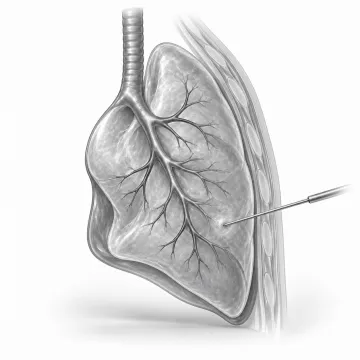
Lung biopsy
Find out what a lung nodule is with a CT-guided needle biopsy, usually home the same day.
Learn more →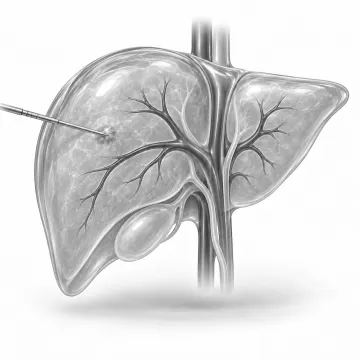
Liver biopsy
Find out what a spot in the liver is with a needle biopsy guided by ultrasound or CT.
Learn more →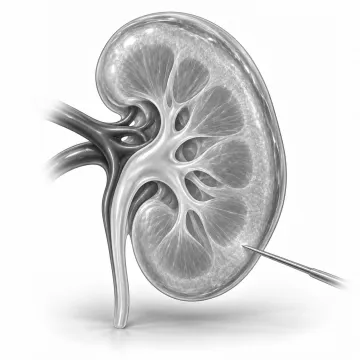
Kidney biopsy
Diagnose kidney disease or check a transplant with an ultrasound-guided needle sample.
Learn more →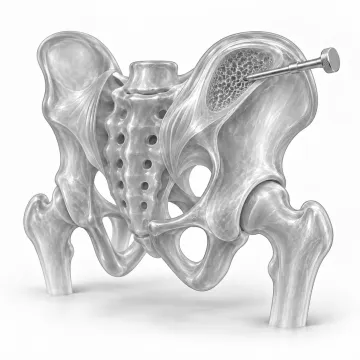
Bone marrow biopsy
Diagnose blood disorders with a sample from the hip bone, using CT guidance and sedation.
Learn more →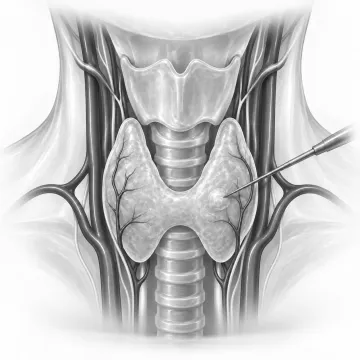
Thyroid biopsy
Check a thyroid nodule with a thin needle guided by ultrasound, usually with numbing medicine only.
Learn more →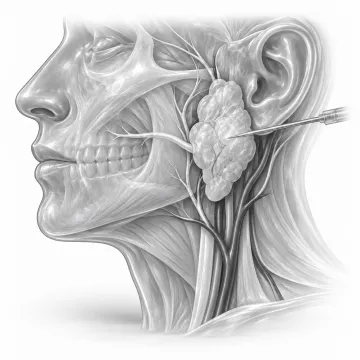
Salivary gland biopsy
Diagnose a parotid or submandibular lump with an ultrasound-guided needle and numbing medicine.
Learn more →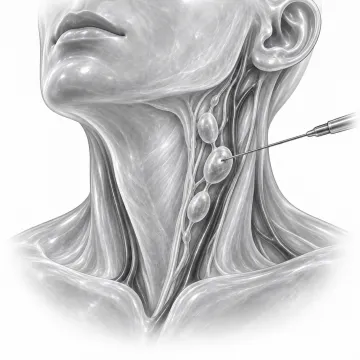
Lymph node biopsy
Diagnose a swollen lymph node with a needle guided by ultrasound or CT, usually without surgery.
Learn more →Common questions
Does a needle biopsy hurt?
Can a biopsy spread cancer?
What if the biopsy does not give an answer?
When can I drive?
Will insurance cover my biopsy?
Lung biopsy
Find out what a lung nodule is with a CT-guided needle biopsy, usually home the same day.
Liver biopsy
Find out what a spot in the liver is with a needle biopsy guided by ultrasound or CT.
Thyroid biopsy
Check a thyroid nodule with a thin needle guided by ultrasound, usually with numbing medicine only.
Lymph node biopsy
Diagnose a swollen lymph node with a needle guided by ultrasound or CT, usually without surgery.
Bone marrow biopsy
Diagnose blood disorders with a sample from the hip bone, using CT guidance and sedation.
Written for patients by the Palo Alto Interventional team. General information only; your own plan depends on your health and imaging.
Talk to us about your options
Request a consultation online, or call 650-404-8445, Monday to Friday, 8 am to 5 pm. You can also ask your doctor to send a referral. We will review your imaging and help you decide whether a procedure makes sense.