
Nerve blocks
Find the source of your pain, then quiet it.
A nerve block places numbing medicine, and sometimes a steroid, right next to the nerve carrying your pain, using X-ray, CT or ultrasound to aim the needle. Most blocks take 15 to 45 minutes and you go home the same day.
- Outpatient
- 15–45 minutes
- Local numbing
- Home the same day
 Fabio Komlos, MDInterventional radiologist
 Watch the video explanation11:00 video · Genicular Nerve Ablation: When Injections Aren't Enough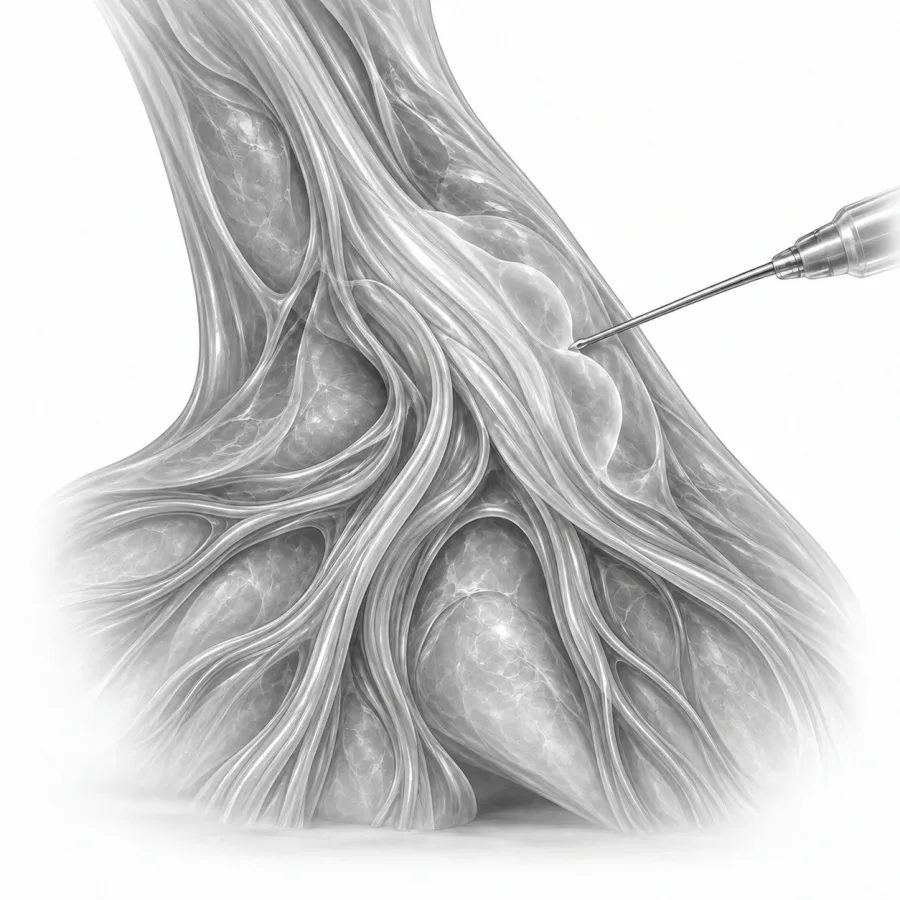
A block can show where pain comes from and relieve it.
Genicular Nerve Ablation: When Injections Aren't Enough
Dr. Fabio Komlos walks through nerve blocks the way he explains it in clinic, using the same images he uses to plan treatment.
Fabio Komlos, MDInterventional radiologist · 11:00What is a nerve block?
Pain travels along nerves, like messages along a wire. A nerve block puts medicine right next to one of those wires to stop the message. The doctor uses imaging, such as live X-ray (fluoroscopy), a CT scan or ultrasound, to guide a thin needle to the exact spot. A small amount of contrast dye often confirms where the medicine will spread.
Nerve blocks do two different jobs, and it helps to know which one you are having.
Diagnostic block
- Answers a question: is this nerve carrying my pain?
- Uses a short-acting numbing medicine (local anesthetic) that lasts a few hours
- You track your pain closely for the next several hours
- Good relief points to the source, and can open the door to longer-lasting treatment such as radiofrequency ablation
Therapeutic block
- Aims to relieve pain for weeks to months
- Often adds a steroid to calm inflammation around the nerve
- For cancer pain, may use alcohol or phenol to switch the nerve off for months (neurolysis)
- Can be repeated if it helps
Common types of nerve blocks
- Medial branch block: numbs the tiny nerves to the facet joints, the small joints at the back of the spine. Used for arthritis-type neck or back pain that is worse with twisting or leaning back. Two good responses usually lead to radiofrequency ablation, which can give 6 to 12 months or more of relief.
- Genicular nerve block: numbs the nerves around the knee. It is the test before genicular nerve ablation.
- Selective nerve root block: targets one spinal nerve as it exits the spine, for sciatica or arm pain. It is closely related to an epidural steroid injection.
- Stellate ganglion block: targets a bundle of nerves in the front of the neck that controls blood flow and sweating in the arm and face. Used for complex regional pain syndrome (CRPS) of the arm and some other conditions.
- Lumbar sympathetic block: the same idea in the lower back, for CRPS or poor circulation pain in the leg.
- Celiac plexus block: targets a web of nerves deep in the upper belly that carries pain from the pancreas, liver, stomach and nearby organs. Most often used for pancreatic cancer pain.
- Superior hypogastric and ganglion impar blocks: target nerves in front of the lower spine and tailbone, for pelvic or tailbone pain, often from cancer.
- Other peripheral blocks: such as occipital nerve blocks for headaches at the back of the head and intercostal blocks for rib pain.
On the X-ray or CT image, the needle tip is placed next to the bone landmark where the nerve runs, and a small puff of contrast dye outlines the space where the medicine will spread.
Who it helps, and who it doesn't
A nerve block may help if you have pain that seems to come from a specific nerve or joint, when medicines, physical therapy and time have not been enough. Blocks are also useful when doctors are unsure where pain is coming from, or when surgery is being considered.
Often helpful for
- Neck or back pain from facet joint arthritis
- Knee pain before a nerve ablation
- Sciatica or arm pain from a pinched nerve
- CRPS in an arm or leg
- Pancreatic or other upper abdominal cancer pain
- Pelvic cancer pain
May not be right if
- You have a fever or an infection, especially near the injection site
- You are pregnant or could be
- You take blood thinners that cannot be safely paused for deeper blocks
- You have a serious allergy to contrast dye or numbing medicine
- Your pain comes from a problem that needs urgent surgery
For cancer pain, a celiac plexus block can be done early, not only as a last resort. Many people get better relief and need fewer opioid pills. Learn more on our cancer pain treatment page.
How to prepare
- Tell us about blood thinners. Some blocks near the surface are safe while you keep taking them, but deeper blocks near the spine or in the belly usually require a pause. See blood thinners.
- If you have diabetes, check your blood sugar more often for a few days after a steroid block, because steroids can raise it.
- If you will have sedation, do not eat or drink for about 6 to 8 hours beforehand, and arrange a ride home.
- For a diagnostic block, come with your usual pain. Avoid taking extra pain medicine that morning unless we tell you to, so the test is accurate.
- Bring a simple pain diary or use your phone to record your pain every hour or two after the block.
More general advice is on before your procedure.
What happens during a nerve block
- 1Positioning
You lie on your stomach, back or side depending on the target. Monitors check your heart rate, blood pressure and oxygen. Light sedation is available for longer or deeper blocks.
- 2Numbing and aiming
The skin is cleaned and numbed with a small needle, which stings for a few seconds. Using X-ray, CT or ultrasound, the doctor guides a thin needle to the target, then injects contrast dye to confirm the position.
- 3Giving the medicine
The numbing medicine, and sometimes a steroid or a nerve-stopping medicine, is injected slowly. You may feel pressure or a brief, familiar ache in the painful area.
- 4Recovery
You rest for 30 minutes to 2 hours while nurses check your blood pressure and leg or arm strength. For a diagnostic block, you start rating your pain right away.
After your block
- First few hoursThe numbing medicine works. Pain may drop sharply, which is useful information. The area, or sometimes an arm or leg, may feel numb or weak. Do not drive.
- That eveningNumbing wears off and pain may return, sometimes a little worse for a day or two. Ice and acetaminophen (Tylenol) help. You can shower.
- Days 2 to 7If a steroid was used, relief usually builds over several days. Blood sugar may run higher in people with diabetes.
- 2 to 4 weeksFollow-up to review your pain diary and decide on next steps, such as repeating the block or moving to radiofrequency ablation.
Expected short-term effects of specific blocks
- Stellate ganglion block: a droopy eyelid, small pupil, red eye, stuffy nose or hoarse voice on the same side for a few hours. This is expected and shows the block worked. Do not eat or drink until swallowing feels normal.
- Lumbar sympathetic block: the leg may feel warm.
- Celiac plexus block: loose stools and feeling light-headed when standing up are common for a day or two. Stand up slowly and drink plenty of fluids.
Results and risks
Results depend on the type of block. A diagnostic block is successful if it gives clear, strong relief for the hours the numbing medicine lasts, even though the pain comes back. Steroid blocks may help for weeks to months. For pancreatic cancer, celiac plexus neurolysis gives meaningful relief to most people, often for several months, and helps many lower their opioid doses.
I think of a diagnostic block as asking your body a question. Before the procedure, I study the imaging and your exam to decide which nerve is most likely responsible, and afterward your pain diary gives us the answer. When a block works well, it often points us to a longer-lasting treatment. When it does not, that tells us to look elsewhere, which is just as valuable.Fabio Komlos, MD, interventional radiologist · About Dr. Fabio Komlos
Possible risks
- Soreness or bruising at the injection site for a few days.
- Temporary numbness or weakness in an arm or leg, usually gone within hours.
- Steroid side effects: flushing, trouble sleeping, higher blood sugar for a few days.
- Infection or bleeding, both uncommon.
- Allergic reaction to medicines or contrast dye, rare.
- Spinal headache if the needle punctures the covering of the spinal fluid, uncommon.
- For deep blocks: rare injury to nearby blood vessels, organs or nerves, including very rare paralysis after celiac plexus neurolysis, and a small risk of collapsed lung with some chest wall and neck blocks.
Common questions
Does a nerve block hurt?
How long does a nerve block last?
Why did my pain come back the same day?
Can I drive myself home?
How many blocks can I have?
Will insurance cover it?
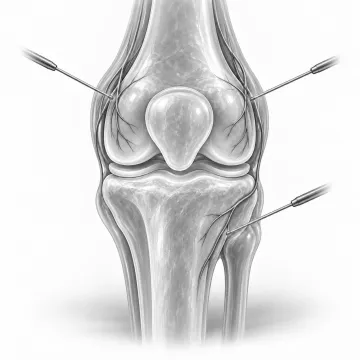
Genicular nerve ablation
Quiet the nerves that carry knee arthritis pain with a short needle procedure.
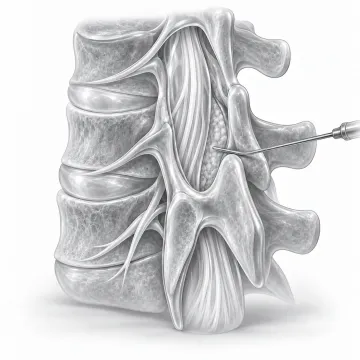
Epidural steroid injections
Ease sciatica, arm pain or back pain with a precise, image-guided steroid injection.
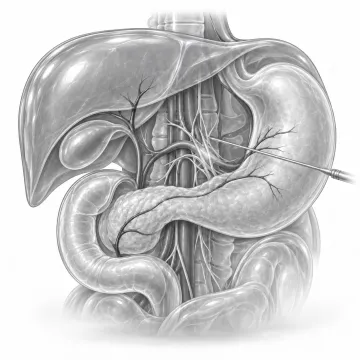
Cancer pain treatment
Nerve blocks, spine and bone procedures, and pain pumps for cancer pain medicines cannot control.
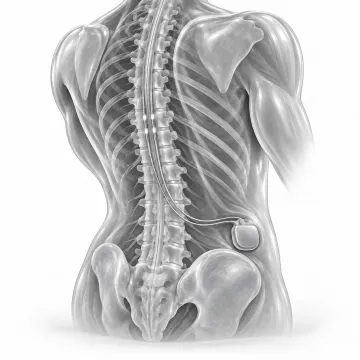
Spinal cord stimulators
Quiet chronic back, leg or nerve pain with a small implanted device you test first.
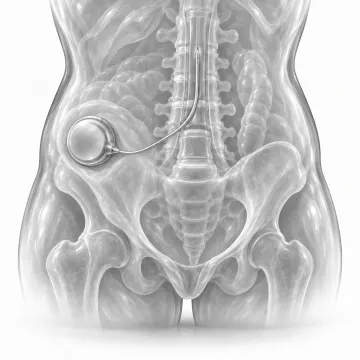
Pain pumps (intrathecal drug delivery)
Deliver pain medicine directly to the spinal cord for severe pain, with fewer side effects.
Written for patients by the Palo Alto Interventional team. General information only; your own plan depends on your health and imaging.
Talk to us about your options
Request a consultation online, or call 650-404-8445, Monday to Friday, 8 am to 5 pm. You can also ask your doctor to send a referral. We will review your imaging and help you decide whether a procedure makes sense.