
Y-90 radioembolization
Patient education
Interventional radiology, explained
What it is, how to prepare and how to recover.
Plain-language guides and videos from Dr. Fabio Komlos, for patients and families. Start with the basics, then read about your condition or procedure.
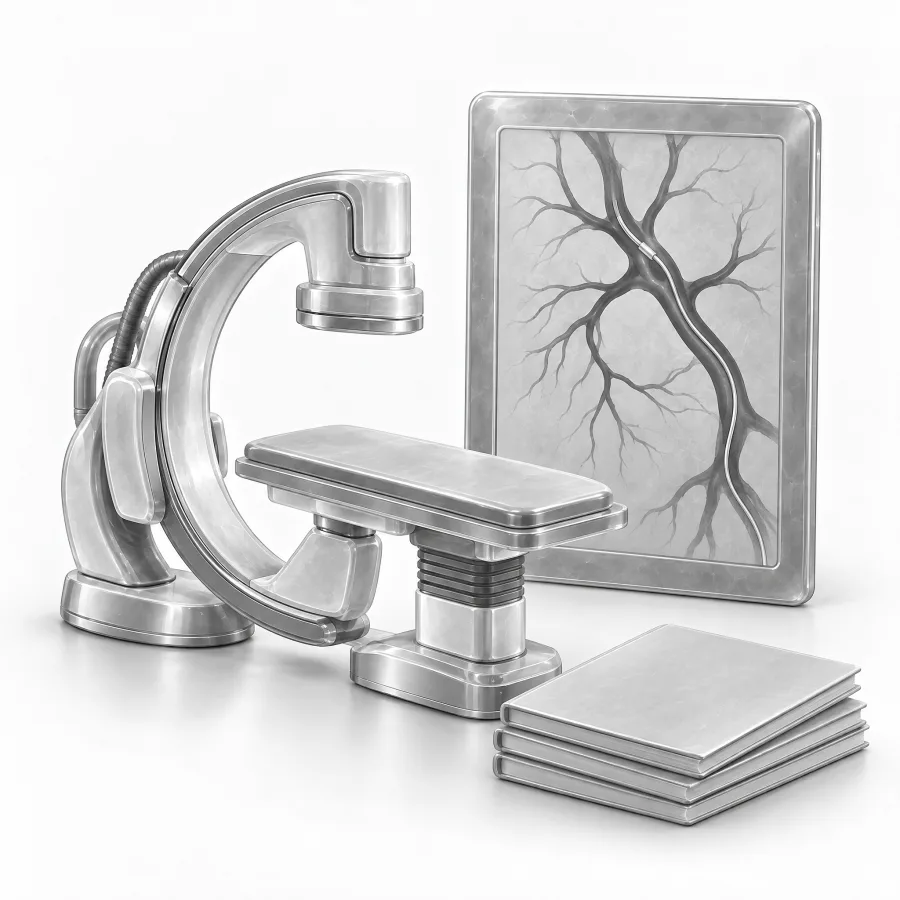
The basics
Interventional radiology in four ideas.
1
Imaging is the guide
X-ray, ultrasound and CT show us the inside of your body live, so we can reach the problem without opening it.
2
A pinhole, not an incision
Most treatments go through a puncture smaller than a pencil tip, in the wrist, groin or skin over the problem.
3
Usually home the same day
Most people go home the same day, with numbing medicine and sedation instead of general anesthesia.
4
Part of your care team
We work with your primary doctor, surgeon, oncologist, urologist or nephrologist, and keep them informed.
Guides for every procedure
Getting ready, sedation, blood thinners and recovery.
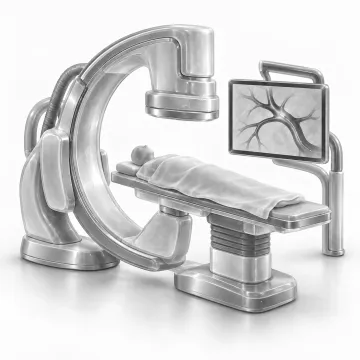
What is interventional radiology?
How doctors treat disease from the inside, through a pinhole, using live imaging as their eyes.
Learn more →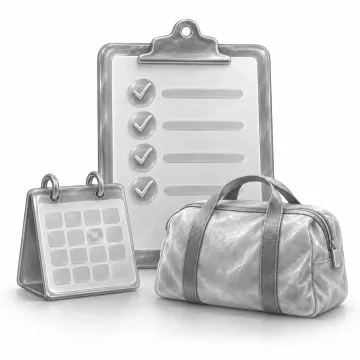
Before your procedure
Fasting, medicines, blood thinners, diabetes, a driver and what to bring: your checklist.
Learn more →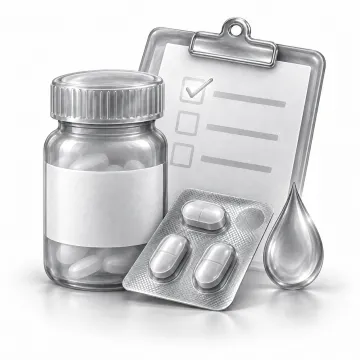
Blood thinners and your procedure
Which blood thinners may be paused before a procedure, typical hold times, and how bridging works.
Learn more →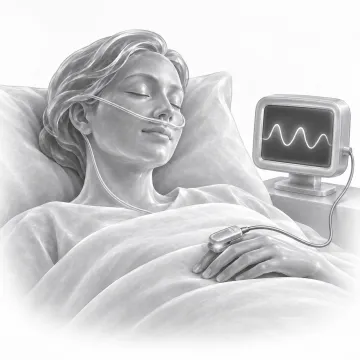
Sedation and anesthesia
Local numbing, twilight sedation and anesthesia: what you feel and why you need a ride.
Learn more →
After your procedure
Puncture site care, activity, showering, driving, pain and when to call after an IR procedure.
Learn more →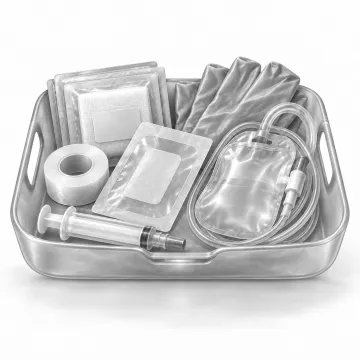
Home supplies for drains and tubes
What supplies you need for drains, kidney and bile tubes, and feeding tubes, and where to get them.
Learn more →Watch and learn
Dr. Komlos explains the treatments we focus on, using real images.
Prostate artery embolization
Prostate Artery Embolization
Read the full guide →Genicular artery embolization
Genicular Artery Embolization vs Nerve Ablation | Which Works Better?
Read the full guide →Peripheral arterial disease
Peripheral Artery Disease Explained Symptoms, Risks — Life-Saving Treatments
Read the full guide →DVT and blood clots
Blood Clots in Your Legs? What Doctors URGENTLY Want You to Know (DVT 101)
Read the full guide →Varicose veins
Understanding Venous Problems: Varicose Veins, DVT, and More
Read the full guide →Care at home
Living with a drain, tube or line, and what to do in an urgent situation.
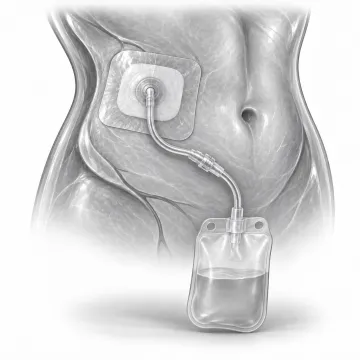
How do I manage my drain?
Emptying, flushing, dressing changes and daily records for a drainage catheter at home.
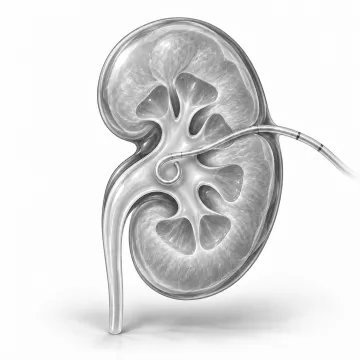
Nephrostomy tube
A thin drain from the kidney through the back that relieves a blockage or infection.
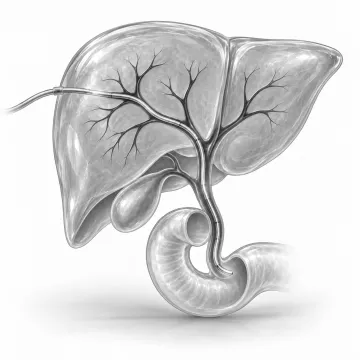
Biliary drain
A thin tube through the liver that drains blocked bile, easing jaundice, itching and infection.
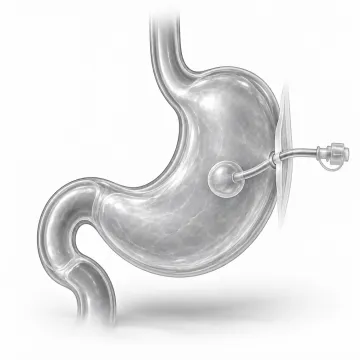
Gastrostomy tube (G tube)
A feeding tube into the stomach, placed with X-ray guidance through a small opening.
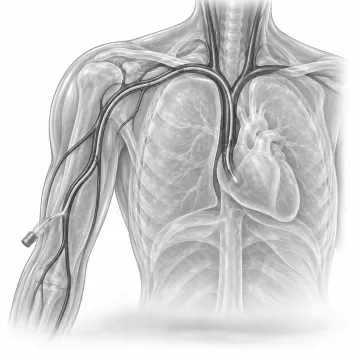
PICC lines
A thin arm line for weeks of IV antibiotics, nutrition or chemotherapy.
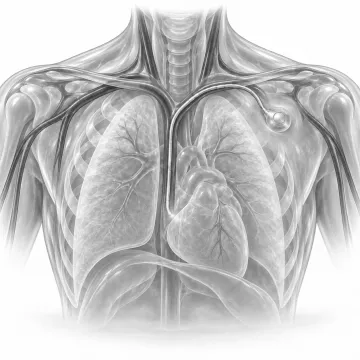
Ports
A small device under the chest skin for chemo, infusions and blood draws.
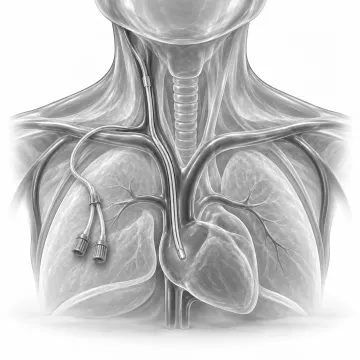
Tunneled dialysis catheters
A soft tube in the chest that allows hemodialysis the same day it is placed.
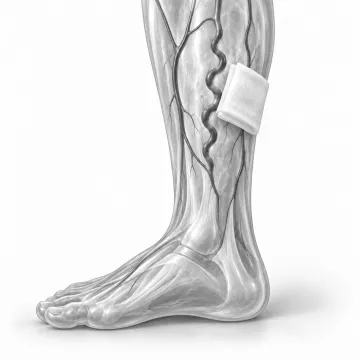
Bleeding varicose vein: what to do
Step-by-step first aid for a bleeding varicose vein, and when to call 911.
When to call
Call us at 650-404-8445 for fever above 101°F, new or worsening pain, bleeding that soaks a dressing, or a tube that falls out or stops draining. For chest pain, trouble breathing, heavy bleeding or fainting, call 911.
Talk to us about your options
Request a consultation online, or call 650-404-8445, Monday to Friday, 8 am to 5 pm. You can also ask your doctor to send a referral. We will review your imaging and help you decide whether a procedure makes sense.