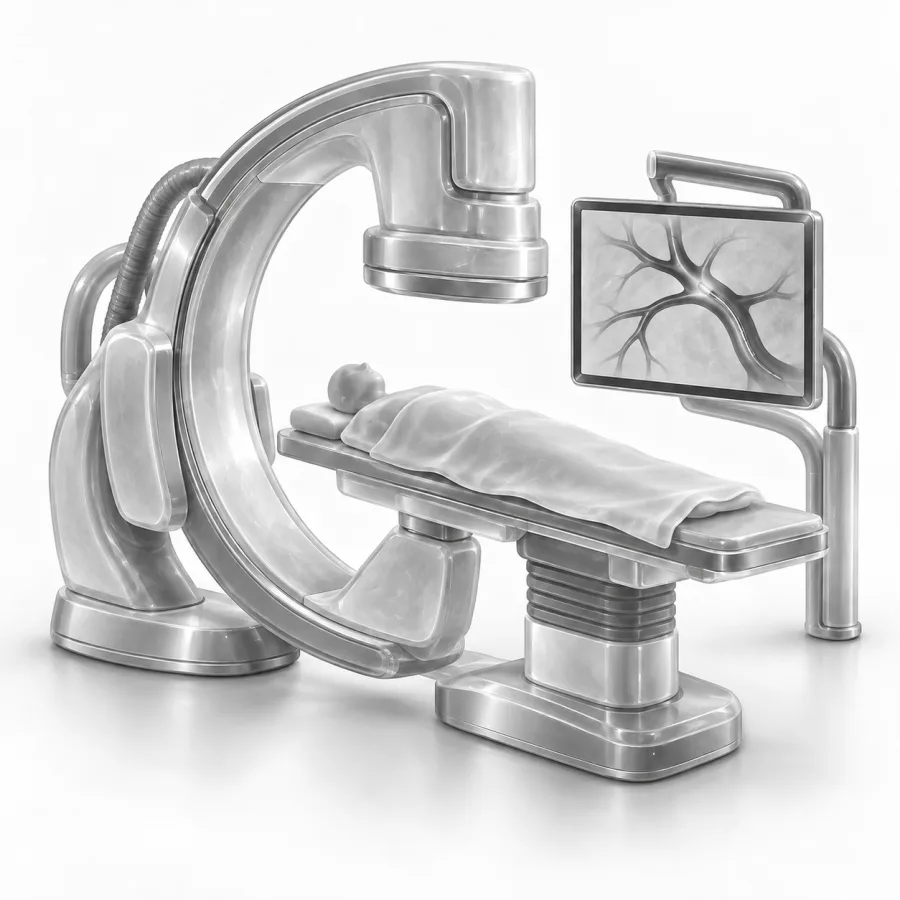
Illustration of an interventional radiology suite: the X-ray C-arm over the procedure table, with a screen showing blood vessels
Palo Alto Interventional · Vascular & Interventional Radiology

Advanced Treatment.Without Major Surgery.

Minimally invasive, image-guided procedures designed to treat complex conditions with precision, less downtime, and a faster return to your life.

New here?

Start with a 3-minute tour

Dr. Komlos shows you how to use this site: finding your condition, reading the patient guides, watching the videos and asking Dr. Komlos AI your questions.

Watch on YouTube

Dr. Komlos AI

Not sure where to start?

Ask about a symptom, a condition or a procedure. Answers come from Dr. Komlos’s patient guides and videos, with links to learn more.

General education, not medical advice. Please don’t share personal health details. In an emergency, call 911.
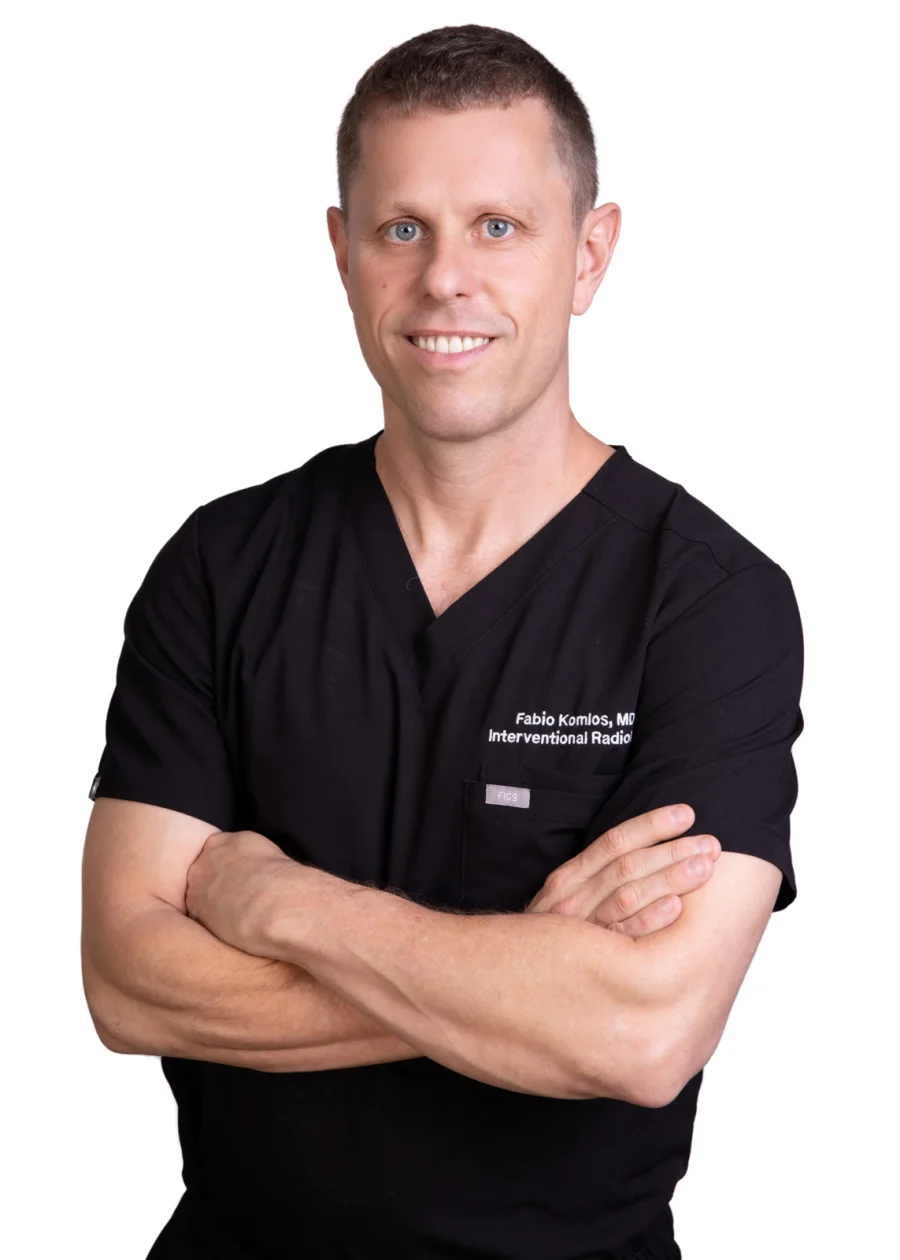
Dr. Fabio Komlos in black scrubs, arms crossed
Led by

Dr. Fabio
Komlos, MD

Palo Alto Interventional is led by interventional radiologist Dr. Fabio Komlos: a doctor who treats disease from the inside, through a pinhole, guided by X-ray, ultrasound and CT. He reviews your scans himself, walks you through them, and performs your procedure.

Board certifiedInterventional & Diagnostic Radiology
Harvard trainedResidency, Beth Israel Deaconess
FellowshipVascular & Interventional Radiology
Medical directorInterventional Radiology, PAMF

Patient education videos

More than a hundred plain-language videos, watched tens of thousands of times by patients and families. Real images, honest answers.

Open the video library →

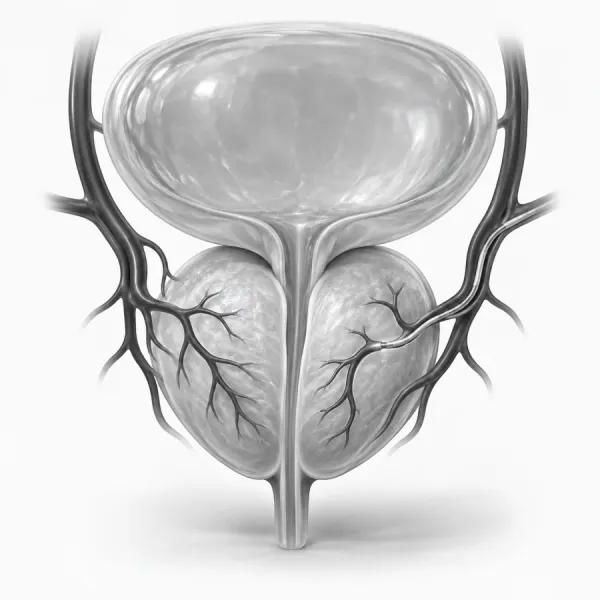
Prostate Artery Embolization

Genicular Artery Embolization vs Nerve Ablation | Which Works Better?

Genicular artery embolization · 6:46

Peripheral Artery Disease Explained Symptoms, Risks — Life-Saving Treatments

Peripheral arterial disease · 6:14

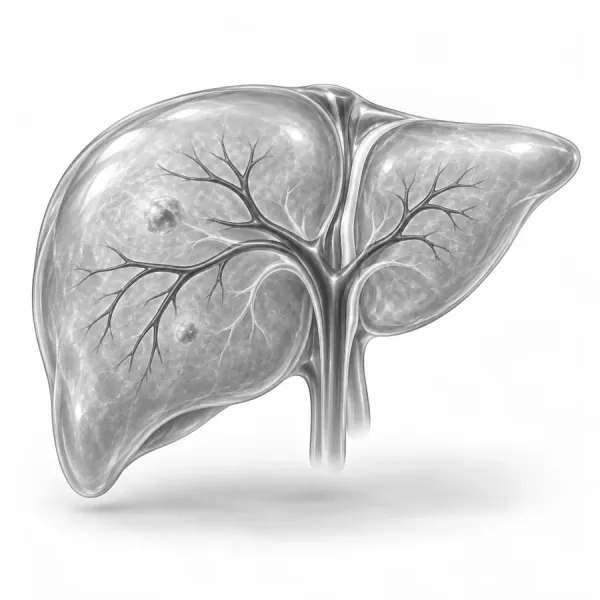
Understanding Y90 Radioembolization

Y-90 radioembolization · 16:11

Cancer Treatment Breakthrough: How Histotripsy Transforms Tumor Removal

Histotripsy · 14:23

Blood Clots in Your Legs? What Doctors URGENTLY Want You to Know (DVT 101)

DVT and blood clots · 4:44

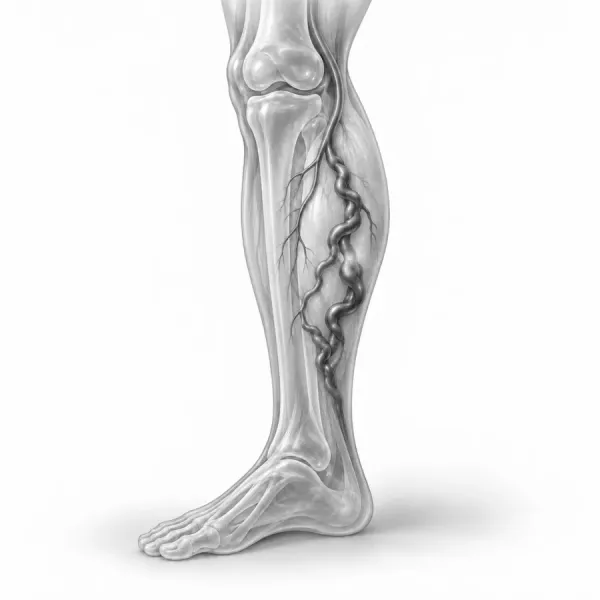
Understanding Venous Problems: Varicose Veins, DVT, and More

Varicose veins · 18:10

Quick answers

Myths, facts and questions, in under a minute

Questions we hear most

The most important part of your care is understanding it.

What is interventional radiology?
Interventional radiology uses live imaging, such as X-ray, ultrasound or CT, to guide tiny instruments through a small nick in the skin. It treats many conditions that once needed open surgery. Read the full guide.
How do I prepare for my procedure?
You may need to stop eating a few hours beforehand and pause certain medicines, such as blood thinners. We give you clear instructions for your specific procedure. See Before your procedure and Blood thinners.
Will I be awake?
Most procedures use local numbing and light sedation, so you stay relaxed and comfortable throughout. You are monitored the entire time. More in Sedation and anesthesia.
How is this different from surgery?
Instead of a large incision, we work through a small nick in the skin. That usually means less pain, lower risk and a faster recovery.
Is it safe?
Every procedure is performed under continuous imaging with very small instruments. We walk you through the specific risks and benefits of your procedure before you decide.
How long is recovery?
Many patients go home the same day and return to normal activity within a few days, depending on the procedure. See After your procedure.
Do I need a referral?
Many patients are referred by their doctor, but you are welcome to call 650-404-8445 directly to ask about your options.
Is it covered by insurance?
Many procedures are covered by insurance, including Medicare. Our team can help you confirm your coverage before your visit.
What should I bring on the day?
A photo ID, your insurance card, a list of your medications, and someone to drive you home afterward.
When should I call after my procedure?
Call 650-404-8445 for fever above 101°F, bleeding, new swelling, or pain that gets worse instead of better. For chest pain, trouble breathing or heavy bleeding, call 911.

All patient guides →

Call 650-404-8445